As a trusted supplier of Aerial Work Platforms (AWPs), ensuring the safety and well - being of operators in various working environments is our top priority. In case of emergencies during AWP operations, having a well - defined emergency rescue procedure is crucial. This blog will detail the key steps and considerations for emergency rescue operations of AWPs.
Pre - emergency Preparation
Risk Assessment
Before any AWP operation, a comprehensive risk assessment should be conducted. This step involves evaluating the work environment, including terrain conditions, weather, and nearby obstacles. For instance, if the AWP is operating in a construction site with uneven ground or strong winds, special safety measures need to be in place. By identifying potential risks in advance, we can better prepare for possible emergencies.
Operator Training
All AWP operators must receive thorough training. Training programs should cover normal operation procedures as well as emergency response protocols. Operators should be familiar with the location and function of all safety devices on the AWP, such as safety belts, guardrails, and emergency stop buttons. Regular drills should also be carried out to ensure that operators can react quickly and correctly in an emergency.
Equipment Inspection
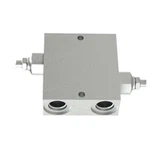
Daily equipment inspections are essential. This includes checking the structural integrity of the AWP, the functionality of the hydraulic system, and the reliability of the control system. Any signs of wear, damage, or malfunction should be addressed immediately. For example, components like Hydraulic Buffer Valve SHC play a vital role in the smooth operation of the AWP's hydraulic system. If it fails, it may lead to unpredictable movements of the platform, posing a serious threat to the operator's safety.
Emergency Situations and Rescue Procedures
Malfunction of the Lifting System
If the AWP's lifting system malfunctions and the platform gets stuck at a certain height, the first step is for the operator to activate the emergency stop button to prevent further unsafe movements. Then, the operator should use the communication device on the platform to contact the ground support team.


The ground support team should quickly assess the situation. If the problem is related to the hydraulic system, they need to check components such as Relief Valve and Relief Valve Pressure Control Valve. If necessary, they can attempt to release pressure slowly to lower the platform within a controlled range. In some cases, if the on - site technical conditions allow, they can use backup power sources or alternative mechanical methods to lower the platform.
Fire on the AWP
In case of a fire on the AWP, the operator should immediately activate the emergency alarm. If the fire is in its early stage and the operator has access to a fire extinguisher, they can try to extinguish the fire following the correct fire - fighting procedures. However, if the fire is out of control, the operator should put on a safety belt firmly and stay in a relatively safe area of the platform.
The ground support team should call the fire department immediately. At the same time, they can use fire - fighting equipment on the ground to try to contain the fire's spread. Special attention should be paid to preventing the fire from spreading to other parts of the work site, especially to other AWPs or flammable materials nearby.
Platform Overturning
When the AWP overturns, the operator's first priority is to protect themselves. They should hold on to the guardrails or other stable parts of the platform and try to avoid being thrown out. The ground support team should approach the scene carefully to avoid secondary accidents.
Rescue personnel need to assess the stability of the overturned AWP before starting the rescue. They may use special lifting equipment to right the platform in a controlled manner. Once the platform is stable, they can carefully remove the operator from the platform and provide first - aid treatment if necessary.
Post - emergency Actions
Medical Treatment
After an emergency, any injured operators should receive immediate medical attention. First - aid measures should be carried out on the spot, and then the injured should be transferred to a nearby medical facility as soon as possible. The medical condition of the operators should be closely monitored during and after the treatment.
Equipment Recovery and Inspection
Once the emergency is resolved, the AWP should be recovered. If the equipment has suffered damage, a detailed inspection should be conducted. Professional technicians should assess the extent of the damage and determine whether the AWP can be repaired or needs to be replaced. During the inspection, all components should be thoroughly examined, including the control system, hydraulic system, and structural parts.
Incident Investigation
An in - depth investigation of the emergency incident should be carried out. The purpose is to identify the root causes of the incident, such as equipment failure, operator error, or environmental factors. Based on the investigation results, appropriate corrective and preventive measures should be taken to avoid similar incidents in the future.
Conclusion
Emergency rescue procedures for AWPs are a complex and systematic process that requires careful pre - emergency preparation, rapid on - site response, and comprehensive post - emergency actions. As an AWP supplier, we are committed to providing high - quality products and also equipping our customers with the knowledge and tools to handle emergencies effectively.
If you are interested in our Aerial Work Platforms or have any questions about emergency rescue procedures, we welcome you to contact us for further discussion and negotiation. We are always ready to provide you with the best solutions according to your specific needs.
References
- Occupational Safety and Health Administration (OSHA) guidelines on aerial work platform safety.
- Manufacturers' operation and maintenance manuals for Aerial Work Platforms.
- Industry best practices and standards for emergency rescue in aerial work operations.