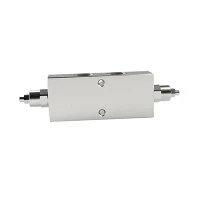
In the industrial and construction sectors, hydraulic hoists are indispensable equipment, offering efficient and reliable lifting solutions. However, a common concern among users is whether a hydraulic hoist can be operated manually in case of a power failure. As a leading supplier of hydraulic hoists, we understand these concerns and are here to provide in - depth insights into this critical question.
Understanding Hydraulic Hoists
Before delving into the manual operation of hydraulic hoists during power outages, it's essential to understand how these machines work. A hydraulic hoist operates on the principle of Pascal's law, which states that pressure applied to an enclosed fluid is transmitted undiminished to every portion of the fluid and the walls of the containing vessel. In a hydraulic hoist, a hydraulic pump, typically powered by an electric motor, forces hydraulic fluid into a cylinder. This fluid pressure then moves a piston, which in turn raises or lowers the load.


Our company offers a wide range of hydraulic hoists designed to meet diverse industrial needs. We also provide related products such as the Hydraulic Rotary Swivel Yhz System, which enhances the functionality of hydraulic systems by allowing the transfer of fluid under rotation.
Manual Operation Mechanisms
The ability to operate a hydraulic hoist manually during a power failure depends on the design and features of the specific hoist model. Some hydraulic hoists are equipped with manual override mechanisms that enable users to perform basic operations when the power supply is interrupted.
Hand Pumps
One common method of manual operation is through the use of a hand pump. Hand pumps are simple yet effective devices that allow operators to manually generate hydraulic pressure. By repeatedly pumping a handle, the operator can force hydraulic fluid into the cylinder, thereby moving the piston and lifting or lowering the load. However, it's important to note that hand - pumping is a labor - intensive process and may not be suitable for lifting extremely heavy loads.
Emergency Release Valves
Another mechanism is the emergency release valve. This valve allows the operator to slowly release the hydraulic fluid from the cylinder, enabling the controlled lowering of the load. This is particularly useful in situations where the load needs to be safely lowered to the ground during a power failure. For example, in a construction site, if a hydraulic hoist is holding a large steel beam and there is a power outage, the emergency release valve can be used to lower the beam safely.
Advantages and Limitations of Manual Operation
Advantages
- Safety: Manual operation provides a safety net in case of power failures. It allows operators to avoid leaving the load suspended in mid - air, which could pose a significant safety hazard. For instance, in a warehouse, if a hydraulic hoist fails due to a power outage while holding a pallet of goods, manual operation can prevent the goods from falling and causing damage or injury.
- Versatility: Even in remote areas where power supply is unreliable, hydraulic hoists with manual operation capabilities can still be used effectively. This makes them a versatile choice for various industries.
Limitations
- Limited Load Capacity: As mentioned earlier, manual operation is often limited in terms of the load it can handle. Lifting heavy loads manually requires a significant amount of physical effort, and in some cases, it may not be possible at all.
- Slow Operation: Manual operation is generally slower than powered operation. This can lead to delays in work processes, especially in industries where time is of the essence.
Our Company's Solutions
As a hydraulic hoist supplier, we are committed to providing high - quality products that meet the diverse needs of our customers. Our hoist models are designed with safety and reliability in mind. Many of our hoists come with built - in manual override mechanisms, including hand pumps and emergency release valves.
In addition to hydraulic hoists, we also offer related products like the Electro - hydraulic Swivel For Excavator and Electro - hydraulic Swivel Joint. These products enhance the performance and functionality of hydraulic systems, ensuring smooth operation even in challenging conditions.
Considerations for Manual Operation
When considering manual operation of a hydraulic hoist, there are several factors that users should keep in mind.
- Operator Training: Proper training is essential for operators to safely and effectively operate the hoist manually. Operators should be familiar with the location and operation of the manual override mechanisms, as well as the safety procedures associated with manual operation.
- Regular Maintenance: Regular maintenance of the hydraulic hoist is crucial to ensure that the manual operation mechanisms are in good working condition. This includes checking the hand pump for proper functioning, inspecting the emergency release valve for leaks, and ensuring that the hydraulic fluid is at the correct level.
- Load Assessment: Before attempting manual operation, operators should assess the load to determine if it can be safely handled manually. If the load is too heavy, alternative methods of load removal or support should be considered.
Conclusion
In conclusion, while not all hydraulic hoists can be operated manually during a power failure, many modern models are equipped with manual override mechanisms that allow for basic operation. These mechanisms provide a valuable safety feature, allowing operators to lower loads safely and continue working in the event of a power outage.
At our company, we are dedicated to providing high - quality hydraulic hoists and related products. Our products are designed to meet the highest standards of safety and reliability, and we offer comprehensive support to our customers. If you are in the market for a hydraulic hoist or have any questions about manual operation, we encourage you to contact us for a detailed discussion. Our team of experts is ready to assist you in finding the right solution for your specific needs. Whether you are involved in construction, manufacturing, or any other industry that requires lifting equipment, we can provide the products and support you need.
References
- "Hydraulic Systems: Principles and Applications" by Steven W. Morris
- "Industrial Lifting Equipment Handbook" by John D. Smith
- Manufacturer's manuals for hydraulic hoists and related products.