

As a supplier of hydraulic lifts, I've often encountered inquiries about the integration of hydraulic lifts with other equipment or systems. Hydraulic lifts are versatile machines, and their integration capabilities can significantly enhance operational efficiency across various industries. This blog will explore the possibilities of integrating hydraulic lifts with different equipment and systems, highlighting the benefits, challenges, and real-world applications.
Understanding Hydraulic Lifts
Before delving into integration, it's essential to understand what hydraulic lifts are. A hydraulic lift operates on the principle of Pascal's law, which states that a change in pressure at any point in an enclosed fluid is transmitted equally throughout the fluid. In a hydraulic lift, this principle is used to generate force to lift heavy loads. Hydraulic fluid is pumped into a cylinder, causing a piston to move and lift the platform.
The advantages of hydraulic lifts include their high load capacity, smooth operation, and precise control. These features make them suitable for a wide range of applications, from automotive repair shops to industrial manufacturing plants.
Integration with Conveyor Systems
One of the most common integrations is between hydraulic lifts and conveyor systems. In warehouses and manufacturing facilities, conveyor systems are used to transport goods from one point to another. By integrating a hydraulic lift, the conveyor system can be extended vertically, allowing for efficient multi-level transportation.
For example, in a beverage bottling plant, a hydraulic lift can be integrated with a conveyor system to raise filled bottles to a higher level for labeling or packaging. This integration streamlines the production process, reduces manual handling, and increases productivity.
Integration with Automated Guided Vehicles (AGVs)
Automated Guided Vehicles are self-guided vehicles used in warehouses and factories to transport materials. Integrating hydraulic lifts with AGVs can enable the vertical movement of goods, expanding the AGV's functionality.
AGVs with integrated hydraulic lifts can pick up pallets from the ground level and transport them to different heights within a storage rack. This integration enhances the flexibility of the material handling system and reduces the need for additional lifting equipment.
Integration with Excavator Systems
Hydraulic lifts can also be integrated with Electro-hydraulic Swivel For Excavator systems. In construction and mining, excavators are used for digging and lifting heavy materials. The integration of a hydraulic lift with an excavator can provide additional height and reach, allowing for more versatile operations.
For instance, in a large construction project, an excavator with an integrated hydraulic lift can be used to access hard-to-reach areas, such as high walls or elevated platforms. This integration improves the efficiency and safety of the construction process.
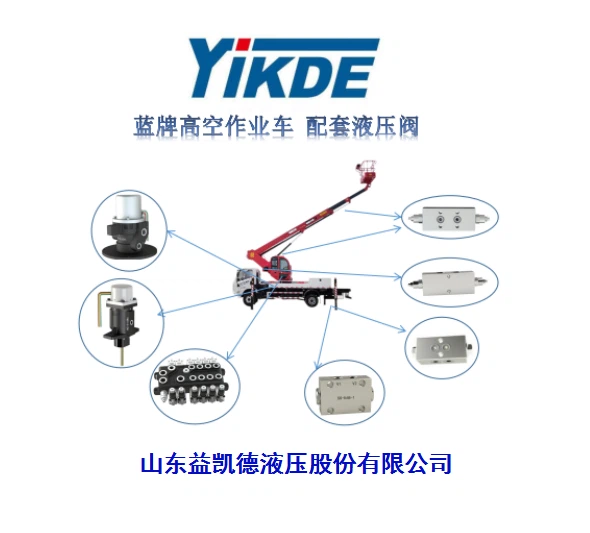
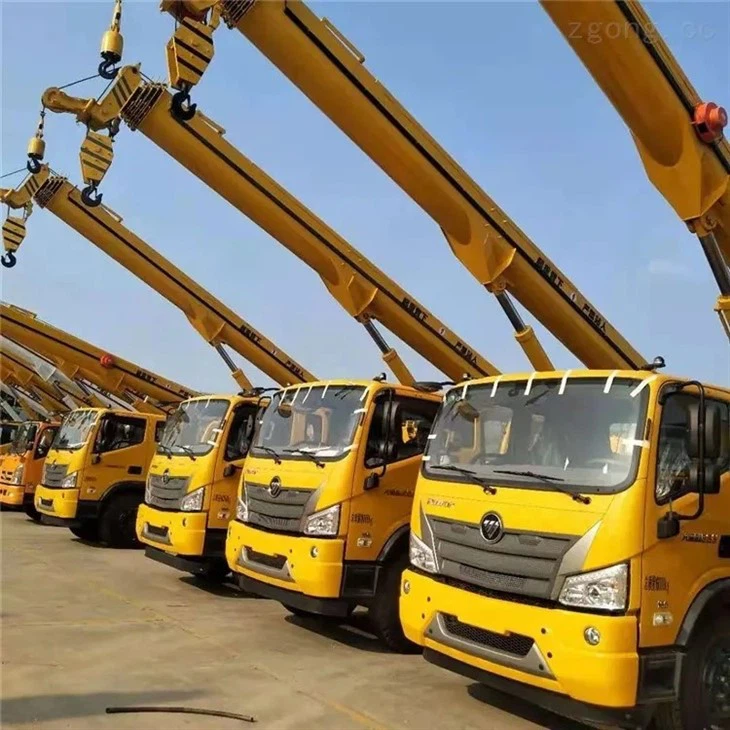
Integration with Hydraulic Rotary Swivel Systems
The Hydraulic Rotary Swivel Yhz System is another equipment that can be integrated with hydraulic lifts. A hydraulic rotary swivel allows for the transfer of hydraulic fluid and power between rotating and non-rotating parts.
When integrated with a hydraulic lift, the hydraulic rotary swivel enables 360-degree rotation of the lift platform. This is particularly useful in applications where the lift needs to access different angles, such as in a large assembly line or a maintenance workshop.
Integration with Electro-hydraulic Rotary Joints
Electro-hydraulic Rotary Joint YHZ can also be integrated with hydraulic lifts. These joints combine electrical and hydraulic functions, allowing for the transmission of both power and signals.
In an automated manufacturing process, an electro-hydraulic rotary joint integrated with a hydraulic lift can enable real-time control of the lift's movement and position. This integration enhances the precision and automation of the manufacturing process.
Benefits of Integration
The integration of hydraulic lifts with other equipment or systems offers several benefits. Firstly, it improves operational efficiency by automating tasks and reducing manual labor. For example, integrating a hydraulic lift with a conveyor system eliminates the need for workers to manually move goods between different levels.
Secondly, integration enhances safety. Automated systems reduce the risk of human error and accidents. For instance, an AGV with an integrated hydraulic lift can operate in a controlled environment, minimizing the chances of collisions.
Thirdly, integration can increase the flexibility of the equipment. By combining different functions, the integrated system can adapt to different tasks and environments. For example, a hydraulic lift integrated with an excavator can be used for various construction tasks, from digging to lifting and positioning.
Challenges in Integration
While the benefits of integration are significant, there are also challenges to overcome. One of the main challenges is compatibility. Different equipment and systems may use different hydraulic fluids, pressures, and control mechanisms. Ensuring compatibility between these components is crucial for the successful operation of the integrated system.
Another challenge is the complexity of the integration process. Integrating multiple systems requires careful planning, design, and installation. Any mistakes in the integration process can lead to system failures and costly downtime.
Finally, maintenance and troubleshooting of integrated systems can be more challenging. Since the systems are interconnected, a problem in one component can affect the entire system. Therefore, it is essential to have a comprehensive maintenance plan and trained personnel to handle any issues that may arise.
Real-World Applications
There are numerous real-world applications of integrated hydraulic lift systems. In the automotive industry, hydraulic lifts are integrated with conveyor systems and automated assembly lines to transport and position car parts during the manufacturing process.
In the logistics industry, AGVs with integrated hydraulic lifts are used in warehouses to store and retrieve goods from high shelves. This reduces the need for large forklifts and improves the efficiency of the warehouse operations.
In the aerospace industry, hydraulic lifts integrated with specialized equipment are used for aircraft maintenance and repair. These lifts provide the necessary height and stability to access different parts of the aircraft.
Conclusion
In conclusion, hydraulic lifts can be effectively integrated with other equipment and systems to enhance operational efficiency, safety, and flexibility. Whether it's with conveyor systems, AGVs, excavators, or other hydraulic components, the possibilities for integration are vast. However, it is important to address the challenges of compatibility, complexity, and maintenance to ensure the successful operation of the integrated system.
If you are interested in integrating hydraulic lifts with your existing equipment or systems, we are here to help. We offer a wide range of hydraulic lift products and professional integration services. Contact us to discuss your specific requirements and start exploring the benefits of integrated hydraulic lift systems.
References
- Miller, J. (2020). Hydraulic Systems in Industrial Applications. Industrial Press.
- Smith, A. (2019). Integration of Automation Systems in Manufacturing. Taylor & Francis.
- Brown, R. (2018). Construction Equipment and Their Applications. McGraw-Hill.


