

Can a Pilot Check Valve be used in reverse flow situations?
In the realm of fluid control systems, the pilot check valve stands as a crucial component, often playing a pivotal role in ensuring the safe and efficient operation of various hydraulic and pneumatic applications. As a leading supplier of pilot check valves, we are frequently asked about the valve's suitability for reverse flow situations. In this blog post, we will delve into the technical aspects of pilot check valves, explore their behavior in reverse flow, and discuss the implications for different industrial applications.
Understanding Pilot Check Valves
A pilot check valve is a type of one - way valve that allows fluid to flow in one direction while preventing reverse flow. It consists of a poppet or spool that is held in the closed position by a spring. When the pressure on the inlet side exceeds the spring force, the valve opens, allowing fluid to pass through. What sets a pilot check valve apart from a standard check valve is the addition of a pilot port. By applying pressure to the pilot port, the valve can be forced open even when there is reverse pressure on the outlet side.
The basic operation of a pilot check valve can be summarized as follows:
- Forward Flow: When the pressure on the inlet side is higher than the outlet pressure and the spring force, the valve opens, allowing fluid to flow from the inlet to the outlet.
- Reverse Flow Prevention: In the absence of pilot pressure, the valve remains closed, preventing fluid from flowing in the reverse direction.
- Pilot - Assisted Opening: When pilot pressure is applied, the valve can be opened against the reverse pressure, enabling controlled reverse flow.
Reverse Flow Situations and Pilot Check Valves
The question of whether a pilot check valve can be used in reverse flow situations is not straightforward. It depends on several factors, including the design of the valve, the pressure differential, and the specific requirements of the application.
Design Considerations
The design of a pilot check valve can significantly impact its performance in reverse flow. Some pilot check valves are designed to handle reverse flow more effectively than others. For example, valves with a balanced poppet design can provide better sealing and reduced leakage in reverse flow conditions. Additionally, the materials used in the valve construction, such as the seat and seal materials, can affect the valve's ability to withstand reverse pressure.
Pressure Differential
The pressure differential across the valve is a critical factor in determining its suitability for reverse flow. If the reverse pressure is too high, the valve may not be able to seal properly, leading to leakage. In some cases, excessive reverse pressure can also cause damage to the valve components. Therefore, it is essential to select a pilot check valve that is rated for the maximum expected reverse pressure in the application.
Application Requirements
Different applications have different requirements for reverse flow control. For example, in a hydraulic lift system, a pilot check valve may be used to hold the load in place when the power is off. In this case, the valve needs to provide reliable sealing in reverse flow to prevent the load from descending. On the other hand, in a hydraulic circuit where controlled reverse flow is required, such as in a cylinder retraction process, the valve needs to be able to open smoothly under pilot pressure.
Advantages of Using Pilot Check Valves in Reverse Flow Situations
There are several advantages to using pilot check valves in reverse flow situations:
- Safety: Pilot check valves can prevent the backflow of fluid, which is crucial for safety in many applications. For example, in a hydraulic system, backflow can cause damage to pumps, motors, and other components. By using a pilot check valve, the risk of backflow - related damage can be minimized.
- Control: The ability to control reverse flow using pilot pressure allows for more precise operation of hydraulic and pneumatic systems. This is particularly useful in applications where the direction of fluid flow needs to be changed frequently.
- Reliability: Pilot check valves are known for their reliability and durability. They can withstand high pressures and temperatures, making them suitable for a wide range of industrial applications.
Applications of Pilot Check Valves in Reverse Flow
Pilot check valves are widely used in various industries for reverse flow control. Some common applications include:
- Hydraulic Machinery: In hydraulic presses, cranes, and other machinery, pilot check valves are used to hold the load in place and prevent backflow. For example, in a hydraulic press, a pilot check valve can be used to hold the ram in position during the pressing operation.
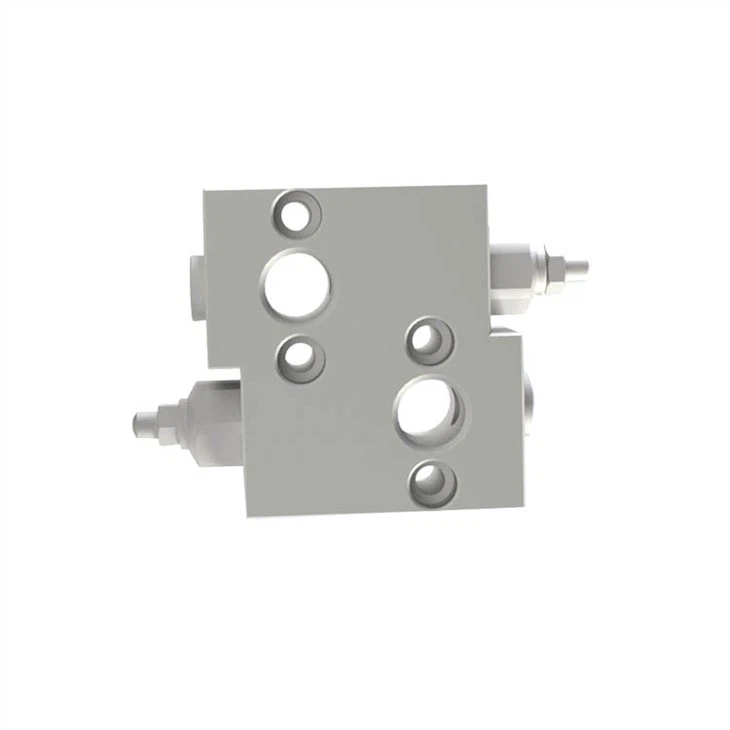
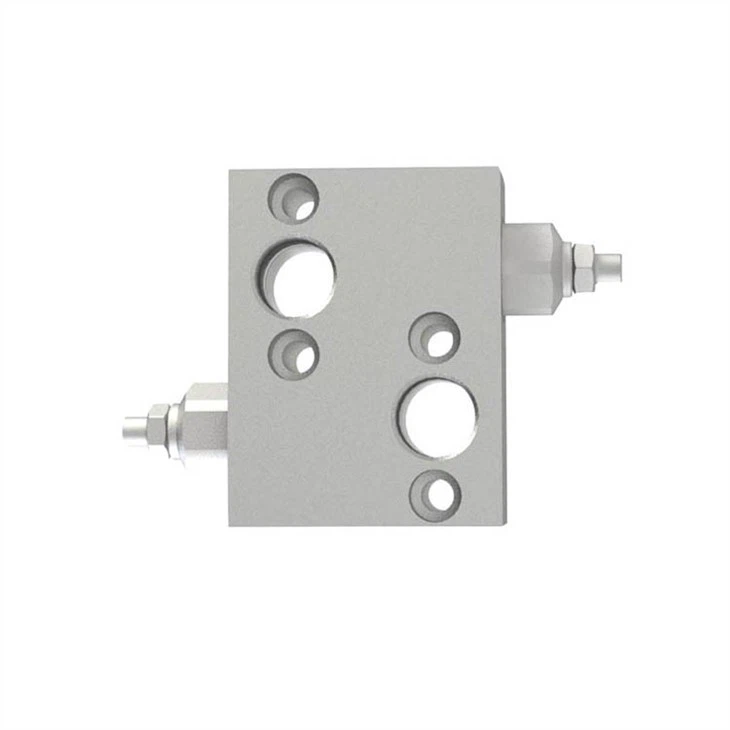
- Aerial Work Platforms: Orbital Hydraulic Motor Safety Valve and Hydraulic Buffer Valve SHC are essential components in aerial work platforms. Pilot check valves are used to control the movement of the platform and ensure its stability.
- Automotive Industry: In automotive hydraulic systems, such as power steering and brake systems, pilot check valves are used to control the flow of fluid and prevent backflow.
Limitations and Challenges
While pilot check valves offer many advantages in reverse flow situations, they also have some limitations and challenges:
- Leakage: Even the best - designed pilot check valves may experience some degree of leakage in reverse flow conditions. This can be a concern in applications where zero leakage is required.
- Pilot Pressure Requirements: The operation of a pilot check valve depends on the application of pilot pressure. If the pilot pressure is not sufficient or is interrupted, the valve may not open or close properly, leading to operational issues.
- Cost: Pilot check valves can be more expensive than standard check valves due to their more complex design and additional features. This can be a factor in cost - sensitive applications.
Conclusion
In conclusion, a pilot check valve can be used in reverse flow situations, but its suitability depends on various factors, including the valve design, pressure differential, and application requirements. As a pilot check valve supplier, we understand the importance of selecting the right valve for each application. Our extensive range of pilot check valves, including Hydraulic Buffer Valve, is designed to meet the diverse needs of different industries.
If you are looking for a reliable pilot check valve for your reverse flow application, we invite you to contact us for a detailed discussion. Our team of experts can help you select the most suitable valve based on your specific requirements. We are committed to providing high - quality products and excellent customer service to ensure the success of your projects.
References
- "Fluid Power Engineering Handbook" by Heinz P. Bloch and Allan R. Budris.
- "Hydraulic Systems: Technology, Design, and Maintenance" by John F. Caruthers.


