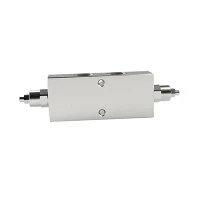
Hey there! As a pressure check valve supplier, I've seen firsthand how these little components can make a huge difference in a system's overall efficiency. In this blog post, I'm gonna break down how a pressure check valve affects efficiency and why it's a crucial part of your setup.
Let's start with the basics. A pressure check valve is a simple device that allows fluid to flow in one direction while preventing it from flowing back. It's like a one - way street for liquids or gases. This might seem like a pretty basic function, but it has some far - reaching implications for the efficiency of your system.
1. Preventing Backflow and Its Impact on Efficiency
One of the primary jobs of a pressure check valve is to prevent backflow. In a hydraulic or pneumatic system, backflow can cause all sorts of problems. For example, in a hydraulic system, when the pump is running and trying to push fluid through the system, backflow can occur if there's no proper check. This means that the pump has to work harder to overcome the reverse flow, wasting energy and putting extra stress on the pump.
Imagine a water pump that's trying to fill a tank. If the check valve isn't working correctly, water can flow back out of the tank as the pump is trying to fill it. The pump will then have to run for longer periods and use more electricity to achieve the same level of filling. Over time, this can lead to significant energy waste and increased operating costs.
By ensuring that fluid only flows in one direction, a pressure check valve helps the system operate more smoothly. The pump doesn't have to fight against the reverse flow, so it uses less energy. This directly translates to better overall efficiency, as you're getting the same amount of work done with less power consumption.
2. Maintaining System Pressure
Another important aspect is maintaining system pressure. In many systems, a consistent pressure is crucial for proper operation. A pressure check valve helps in this regard by keeping the pressure stable.
Let's say you have a hydraulic system that operates a Hydraulic Ram Cylinder Parts. The cylinder needs a certain pressure to move and perform its function effectively. If the pressure drops suddenly, the cylinder might not work as intended. The pressure check valve ensures that once the desired pressure is reached, it doesn't drop due to backflow or other issues.
In a scenario where the pressure fluctuates constantly, the system has to constantly adjust to these changes. This can lead to inefficiencies, such as slower operation or inconsistent performance. For instance, in a manufacturing process where precision is key, inconsistent pressure can result in defective products. A well - functioning pressure check valve helps to avoid these problems by maintaining a steady pressure, which in turn improves the system's overall efficiency.
3. Protecting Other Components
Pressure check valves also play a vital role in protecting other components in the system. In a hydraulic or pneumatic circuit, there are often sensitive components like valves, pumps, and motors. Backflow or sudden pressure changes can damage these components.
For example, a Danfoss Hydraulic Motor Operated Valve is a high - precision device. If it's exposed to backflow or erratic pressure, its internal parts can wear out faster, leading to malfunctions. The pressure check valve acts as a safeguard by preventing these harmful conditions from reaching the other components.
When the components in a system are protected, they last longer and require less maintenance. This reduces downtime for the system, as there are fewer breakdowns. Less downtime means more continuous operation, which is a key factor in improving overall efficiency. You're not losing production time due to component failures, and you're also saving on the cost of frequent repairs and replacements.
4. Compatibility with Different Systems
The great thing about pressure check valves is that they can be used in a wide variety of systems. Whether it's a small - scale industrial setup or a large - scale manufacturing plant, these valves can be customized to fit the specific needs of the system.
For example, in an over - center control situation, an Overcenter Conterbalance Valve YKD can be used. This type of valve is designed to handle the unique pressure requirements in over - center applications. It ensures that the system operates smoothly even under challenging conditions, which is essential for maintaining efficiency.


The ability to use pressure check valves across different systems means that you can optimize the efficiency of various setups. You don't have to worry about finding a completely new solution for each type of system. A single valve, with the right specifications, can work wonders in improving the performance and efficiency of multiple systems.
5. Improved Flow Control
Flow control is another area where pressure check valves have a significant impact on efficiency. In a system, the rate and direction of fluid flow need to be carefully managed. A pressure check valve helps in controlling the flow by allowing fluid to pass through only when certain pressure conditions are met.
This precise flow control can lead to better utilization of resources. For example, in a chemical processing system, the correct flow rate of chemicals is crucial for the reaction to occur properly. If the flow is too fast or too slow, the reaction might not be efficient, and you could end up wasting chemicals. The pressure check valve ensures that the flow is just right, maximizing the reaction's efficiency and reducing waste.
In a water distribution system, proper flow control can prevent water from being wasted through leaks or over - pressurization. The valve helps to regulate the flow so that the right amount of water reaches the intended destinations, which is important for both environmental and economic reasons.
Making the Right Choice
When it comes to choosing a pressure check valve, there are a few things to keep in mind. You need to consider the system's operating pressure, flow rate, and the type of fluid or gas that will be flowing through it. These factors will determine the size, material, and design of the valve that's best suited for your system.
We, as a pressure check valve supplier, have a wide range of options to meet your specific needs. Our valves are designed and manufactured to the highest standards, ensuring reliable performance and long - term efficiency gains for your system.
If you're looking to improve the efficiency of your system, don't underestimate the power of a good pressure check valve. It's a small investment that can yield big returns in terms of energy savings, reduced maintenance, and improved overall performance.
If you're interested in learning more about our pressure check valves or would like to discuss your specific requirements, we'd love to hear from you. Just reach out to us for a consultation, and we'll work with you to find the perfect solution for your system. Let's make your system more efficient together!
References
- Smith, J. (2020). Hydraulic Systems: Principles and Applications. Publisher.
- Johnson, R. (2019). Pneumatic System Efficiency: A Comprehensive Guide. Another Publisher.