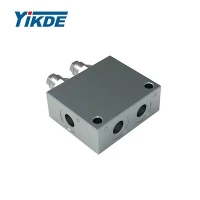
Hey there! I'm a supplier of pressure relief valves, and today, I want to chat about how the size of these valves can have a huge impact on their performance.
First off, let's briefly explain what a pressure relief valve is. It's a crucial safety device that protects various systems from over - pressurization. When the pressure in a system exceeds a set limit, the valve opens up to release the excess pressure, preventing equipment damage, leaks, and even potential disasters.
Okay, so how does size come into play? Well, the size of a pressure relief valve is usually defined by two main parameters: the inlet size and the orifice size.
Inlet Size and Its Impact
The inlet size of a pressure relief valve is all about how easily the valve can receive fluid from the system. Think of it like a doorway for the fluid. A larger inlet size means more fluid can enter the valve in a given time.
If the inlet size is too small for the system, it can cause a bottleneck. The fluid has a hard time getting into the valve, and this can lead to situations where the pressure in the system builds up much faster than the valve can handle. For example, in a high - flow hydraulic system, if you install a pressure relief valve with a small inlet, the pressure might shoot up rapidly when there's a surge in flow. The valve may struggle to open and release the pressure in time, putting the entire system at risk.
On the other hand, if the inlet size is appropriately sized or even a bit larger, it allows for smoother flow into the valve. This gives the valve more time to react to pressure changes. It can quickly open and start releasing the excess pressure when needed, maintaining a stable pressure in the system. For instance, in a large industrial boiler where there's a continuous stream of steam, a valve with a proper inlet size ensures that any over - pressurization event is quickly addressed.
Orifice Size and Its Implications
The orifice is the opening through which the fluid actually exits the valve when it's open. It's like the exit door of the valve. The size of the orifice directly affects the flow capacity of the valve.
A larger orifice size means the valve can release a greater amount of fluid in a short period. This is extremely important in high - pressure systems where a sudden release of a large volume of fluid might be required. For example, in a high - pressure gas pipeline, if there's a blockage downstream, the pressure can skyrocket. A pressure relief valve with a large orifice can quickly discharge the excess gas, preventing the pipeline from bursting.
However, having an oversized orifice isn't always a good thing. If the orifice is too large for the system requirements, the valve might open too easily and release more fluid than necessary. This can lead to unnecessary losses of valuable fluids, whether it's a hydraulic fluid, steam, or gas. Also, it can cause the valve to chatter, which is a rapid opening and closing motion. Chattering not only shortens the lifespan of the valve but can also cause pressure fluctuations in the system, which can be harmful to other equipment.
Conversely, a smaller orifice restricts the flow rate. In a low - flow system, this can be beneficial as it allows for more precise control of the pressure. For example, in a delicate laboratory system where a small amount of fluid needs to be maintained at a specific pressure, a valve with a small orifice can accurately release just enough pressure to keep the system stable.
Impact on Response Time
The size of the pressure relief valve also affects its response time. The response time is how quickly the valve can open and start releasing pressure when the set pressure is reached.
A well - sized valve, both in terms of inlet and orifice, typically has a faster response time. The fluid can easily enter through the inlet and exit through the orifice, allowing the valve to react promptly to over - pressurization events. For example, in a hydraulic system used in heavy machinery, a quick - responding pressure relief valve can protect the components from sudden pressure spikes that occur during rapid movements.
A valve that is undersized in either the inlet or the orifice might have a slower response time. As mentioned earlier, a small inlet can cause slow entry of fluid, and a small orifice can limit the discharge rate. This delay in response can lead to significant damage to the system as the pressure continues to build beyond the safe limit.
Impact on Accuracy
The accuracy of a pressure relief valve refers to how closely it can maintain the set pressure. Size plays a role here too.
A properly sized valve can more accurately control the pressure. When the valve is just the right size, it can open and close at the exact pressure settings. It can release the precise amount of fluid required to keep the pressure within the desired range. For example, in a chemical processing plant where specific pressure conditions are necessary for a reaction, an accurately sized pressure relief valve helps maintain those ideal conditions.
If the valve is oversized, it may not have the fine - tuned control needed for accurate pressure regulation. It can over - release pressure, causing the system pressure to drop too low. An undersized valve, on the other hand, may not be able to release enough pressure quickly enough, leading to the system pressure staying above the set value.
Matching the Valve Size to the System
Matching the size of the pressure relief valve to the system is crucial. It requires a thorough understanding of the system's operating conditions, including the maximum and minimum pressures, flow rates, and the type of fluid being used.


For example, if you're working with a Hydraulic Polit Check Valve, you need to consider its specific flow characteristics and the pressure ranges it operates in. The same goes for a Double Overcenter Valve Cylinder Outrigger, a Double Pilot Operated Hydraulic Check Valve Balance Valve, a Hydraulic Overcenter Valve, or a system with National Crane Parts.
In some cases, it might be necessary to consult with an engineer or use specialized software to calculate the appropriate valve size. This ensures that the valve will perform optimally and provide the necessary safety for the system.
Conclusion and Call to Action
So, as you can see, the size of a pressure relief valve has a profound impact on its performance. From response time to accuracy, choosing the right size is key to ensuring the safety and efficiency of your system.
If you're in the market for a pressure relief valve or need help sizing one for your specific application, don't hesitate to reach out. We're here to assist you in finding the perfect valve solution for your needs. Whether it's for a small - scale laboratory setup or a large industrial system, we've got the expertise and the range of valves to meet your requirements. Start the conversation about procurement today and let's ensure your system runs smoothly and safely.
References
- "Pressure Relief Valves: Sizing, Selection, and Application" by ASME.
- "Handbook of Hydraulic Engineering" which covers various aspects of hydraulic system components including pressure relief valves.
- Industry whitepapers on valve sizing and performance from leading valve manufacturers.