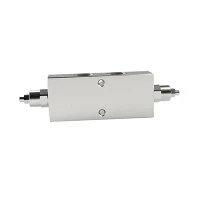
Adapting hydraulic fittings for low - temperature use is a crucial consideration, especially in industries where equipment operates in cold environments such as the oil and gas, mining, and aerospace sectors. As a hydraulic fittings supplier, I understand the challenges that low temperatures pose to hydraulic systems and the importance of ensuring that our products can perform optimally under these conditions.
Understanding the Challenges of Low - Temperature Environments
Low temperatures can have several adverse effects on hydraulic fittings and the entire hydraulic system. One of the most significant issues is the increase in fluid viscosity. As the temperature drops, hydraulic fluids become thicker, which can lead to increased resistance in the system. This increased resistance requires more energy to pump the fluid, putting additional strain on the hydraulic pump and other components.
Another challenge is the potential for embrittlement of materials. Many metals, including some commonly used in hydraulic fittings, can become brittle at low temperatures. This brittleness increases the risk of fractures and failures, which can lead to leaks and system malfunctions. Seals and gaskets are also affected by low temperatures. They can harden and lose their flexibility, resulting in poor sealing performance and potential fluid leakage.
Selecting the Right Materials
The choice of materials for hydraulic fittings is crucial when it comes to low - temperature applications. We recommend using materials that have good low - temperature toughness. For example, stainless steel is a popular choice as it offers excellent corrosion resistance and maintains its mechanical properties at low temperatures. Some high - strength alloys are also suitable, as they can withstand the stresses associated with cold environments.
When it comes to seals, we often recommend using materials like Viton or silicone. These elastomers have better low - temperature flexibility compared to other common seal materials. Viton seals can maintain their sealing properties at temperatures as low as - 20°F (- 29°C), while silicone seals can perform well at even lower temperatures, down to - 60°F (- 51°C).


Modifying Fittings for Low - Temperature Use
In some cases, standard hydraulic fittings may need to be modified to ensure proper performance in low - temperature conditions. One common modification is to increase the wall thickness of the fittings. This extra material provides additional strength and helps to prevent cracking due to thermal stress and mechanical loads.
Another important modification is to optimize the thread design. Low - temperature environments can cause the expansion and contraction of materials, which can affect the tightness of threaded connections. By using fine - pitch threads or adding thread - locking compounds, we can improve the reliability of the connections and reduce the risk of leaks.
Ensuring Proper Fluid Selection
The hydraulic fluid used in the system is just as important as the fittings themselves. When selecting a hydraulic fluid for low - temperature use, look for fluids with low pour points and high viscosity indexes. Fluids with low pour points remain fluid at low temperatures, ensuring that the hydraulic system can operate smoothly. High - viscosity - index fluids maintain a more consistent viscosity over a wide temperature range, reducing the impact of temperature changes on the system's performance.
Testing and Quality Assurance
As a hydraulic fittings supplier, we take testing and quality assurance very seriously. Before our products are released for low - temperature applications, they undergo rigorous testing. We simulate low - temperature conditions in our laboratory and test the fittings for factors such as pressure resistance, leakage, and material integrity.
We also ensure that our manufacturing processes meet the highest standards. Our quality control team inspects every fitting to ensure that it meets or exceeds the specifications required for low - temperature use. This attention to detail helps to guarantee the reliability and performance of our products in cold environments.
The Role of Our Hydraulic Components in Low - Temperature Systems
In addition to hydraulic fittings, we also offer a range of hydraulic components that are suitable for low - temperature use. For example, our P40 Series Monoblock Directional Control Valves Hydraulic Multiway Valve is designed to operate efficiently in cold conditions. These valves are made from high - quality materials that can withstand the stresses of low temperatures, and their internal design ensures smooth fluid flow even when the fluid viscosity is high.
Our China Hydraulic Manifold Manufacturers Hydraulic Manifold is another key component in low - temperature hydraulic systems. The manifold is engineered to provide a compact and efficient way to distribute hydraulic fluid, and its design takes into account the challenges posed by low temperatures. It is built to resist corrosion and maintain its structural integrity in cold environments.
The P40 Hydraulic Multi - way Valve 40L/min is also a reliable option for low - temperature applications. This valve offers precise control over the flow of hydraulic fluid, allowing for accurate operation of the hydraulic system even in cold - weather conditions.
Maintenance and Service in Low - Temperature Conditions
Proper maintenance is essential for ensuring the long - term performance of hydraulic fittings in low - temperature environments. Regular inspections should be carried out to check for signs of wear, corrosion, and leaks. Seals and gaskets should be replaced at regular intervals to prevent fluid leakage.
It is also important to monitor the hydraulic fluid level and quality. In cold environments, the fluid can absorb moisture, which can lead to corrosion and other problems. Regular fluid analysis can help to detect any issues early and ensure that the fluid is replaced when necessary.
Conclusion
Adapting hydraulic fittings for low - temperature use requires a comprehensive approach that includes proper material selection, modification of fittings, appropriate fluid choice, and rigorous testing. As a hydraulic fittings supplier, we are committed to providing high - quality products and solutions that can meet the challenges of cold - weather environments.
If you are in need of hydraulic fittings or components for low - temperature applications, we invite you to contact us to discuss your specific requirements. Our team of experts is ready to assist you in selecting the right products and ensuring that your hydraulic system operates reliably in cold conditions.
References
- "Hydraulic Systems in Cold Environments: Design and Maintenance Considerations" - Industry Journal of Hydraulics
- "Materials Selection for Low - Temperature Hydraulic Applications" - International Conference on Materials Science and Engineering