How to adjust the lifting speed of a hydraulic crane?
As a leading supplier of hydraulic cranes, I understand the importance of having precise control over the lifting speed of these powerful machines. Whether you're working on a construction site, in a manufacturing plant, or involved in any heavy - lifting operation, the ability to adjust the lifting speed can significantly enhance efficiency, safety, and overall performance. In this blog, I'll share some key insights on how to adjust the lifting speed of a hydraulic crane.
Understanding the Basics of Hydraulic Crane Operation
Before we dive into the adjustment methods, it's essential to have a basic understanding of how a hydraulic crane works. A hydraulic crane uses hydraulic fluid to transfer power from the engine to the various components of the crane, such as the boom, winch, and outriggers. The hydraulic system consists of a pump, valves, cylinders, and hoses. The pump creates pressure in the hydraulic fluid, which is then directed through the valves to the cylinders, causing them to extend or retract.
The lifting speed of a hydraulic crane is primarily determined by the flow rate of the hydraulic fluid and the pressure applied to the cylinders. By adjusting these two factors, you can effectively control the speed at which the crane lifts and lowers loads.
Factors Affecting Lifting Speed
- Hydraulic Pump Capacity: The capacity of the hydraulic pump determines the maximum flow rate of the hydraulic fluid. A larger pump can deliver more fluid per unit of time, resulting in a faster lifting speed. However, it's important to note that the pump capacity should be matched to the requirements of the crane and the load being lifted.
- Valve Settings: The valves in the hydraulic system play a crucial role in controlling the flow of hydraulic fluid. By adjusting the settings of the valves, you can regulate the amount of fluid that reaches the cylinders, thereby controlling the lifting speed. For example, a flow control valve can be used to limit the flow rate of the fluid, reducing the lifting speed.
- Load Weight: The weight of the load being lifted also affects the lifting speed. Heavier loads require more power to lift, which may result in a slower lifting speed. It's important to ensure that the crane is rated to handle the weight of the load and to adjust the lifting speed accordingly.
Adjusting the Lifting Speed
- Using Flow Control Valves
Flow control valves are one of the most common methods for adjusting the lifting speed of a hydraulic crane. These valves can be used to regulate the flow rate of the hydraulic fluid to the cylinders. By restricting the flow of fluid, the lifting speed can be reduced. Conversely, by increasing the flow rate, the lifting speed can be increased.
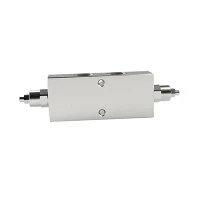
For example, if you need to lift a heavy load slowly and carefully, you can adjust the flow control valve to limit the flow of fluid to the cylinders. On the other hand, if you need to lift a lighter load quickly, you can open the valve to allow more fluid to flow, increasing the lifting speed. You can find high - quality flow control valves like the Hydraulic Flow Divider Hydraulic Control Valve in our product range.
- Adjusting the Pump Pressure
The pressure of the hydraulic pump also affects the lifting speed. By increasing the pump pressure, more force is applied to the cylinders, resulting in a faster lifting speed. However, it's important to be cautious when adjusting the pump pressure, as excessive pressure can cause damage to the hydraulic system.
To adjust the pump pressure, you can use a pressure relief valve. This valve is designed to limit the maximum pressure in the hydraulic system. By adjusting the setting of the pressure relief valve, you can increase or decrease the pump pressure, thereby controlling the lifting speed.
-
Using Variable Displacement Pumps
Variable displacement pumps are another option for adjusting the lifting speed of a hydraulic crane. These pumps can change the volume of fluid they deliver per revolution, allowing for precise control of the flow rate. By adjusting the displacement of the pump, you can increase or decrease the flow of hydraulic fluid to the cylinders, controlling the lifting speed. -
Optimizing the Hydraulic System
In addition to adjusting the valves and pumps, it's important to ensure that the hydraulic system is properly maintained and optimized. This includes checking the hydraulic fluid level, replacing filters regularly, and inspecting the hoses and connections for leaks. A well - maintained hydraulic system will operate more efficiently, resulting in better control of the lifting speed.
Safety Considerations
When adjusting the lifting speed of a hydraulic crane, it's crucial to prioritize safety. Here are some safety tips to keep in mind:
- Follow the Manufacturer's Instructions: Always refer to the crane's operator's manual for specific instructions on adjusting the lifting speed. The manufacturer's guidelines will provide important information on the safe operating limits of the crane.
- Conduct Regular Inspections: Regularly inspect the hydraulic system for any signs of damage or wear. This includes checking the hoses, valves, and cylinders for leaks or other issues.
- Use Appropriate Personal Protective Equipment (PPE): When working on the hydraulic crane, wear appropriate PPE, such as safety glasses, gloves, and hard hats.
- Train Operators Properly: Ensure that all operators are properly trained on how to adjust the lifting speed of the hydraulic crane and are familiar with the safety procedures.
Conclusion
Adjusting the lifting speed of a hydraulic crane is a critical aspect of its operation. By understanding the factors that affect lifting speed and using the appropriate adjustment methods, you can optimize the performance of your hydraulic crane, improve efficiency, and enhance safety.
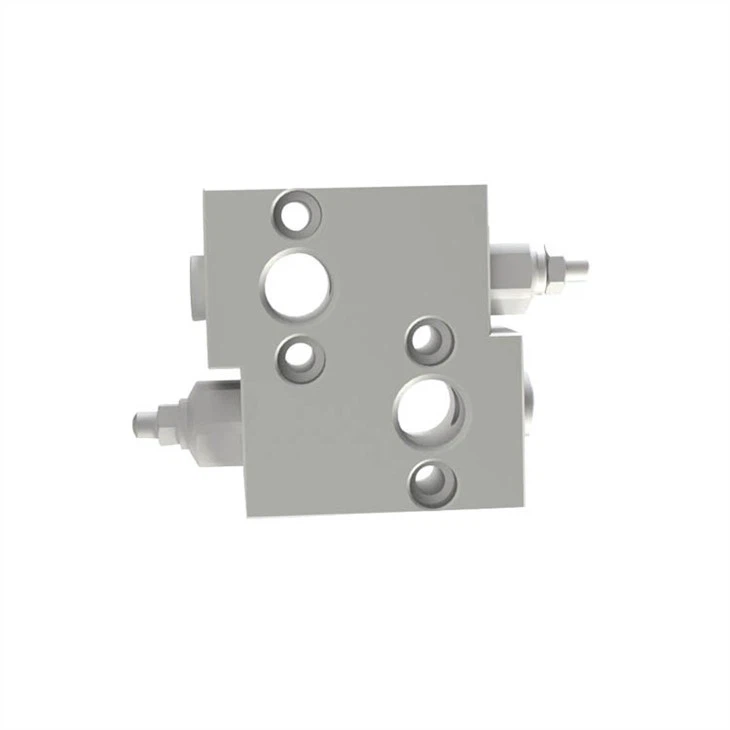
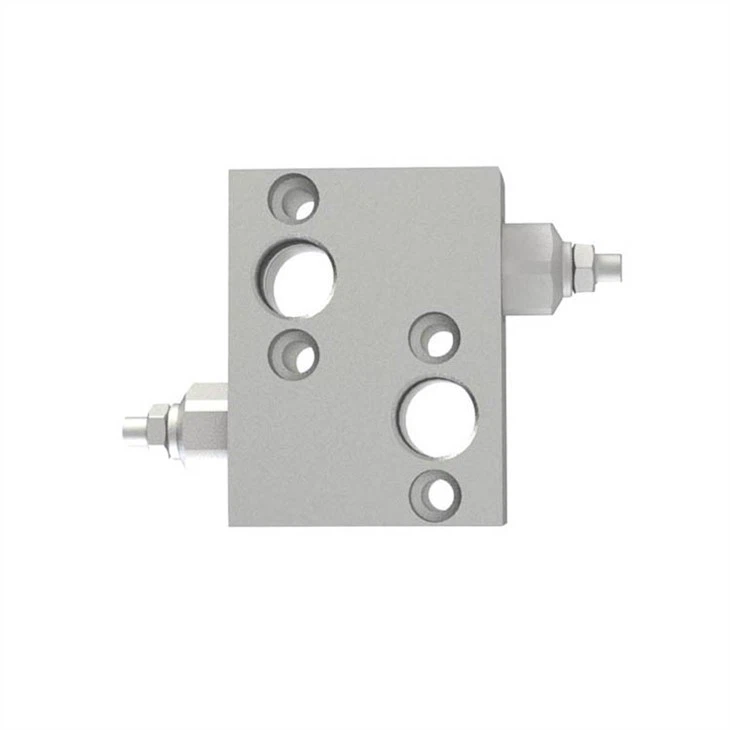
As a supplier of hydraulic cranes and related components, we offer a wide range of high - quality products, including Orbital Hydraulic Motor Safety Valve and Hydraulic Valve Block, to help you achieve precise control over your crane's lifting speed.
If you're interested in learning more about our products or have any questions about adjusting the lifting speed of your hydraulic crane, please feel free to contact us. We're here to assist you with all your hydraulic crane needs and look forward to discussing your requirements for a successful partnership.
References
- Crane Operator's Manuals from leading hydraulic crane manufacturers.
- Hydraulic System Design and Maintenance Guides.
- Industry standards and best practices for hydraulic crane operation.