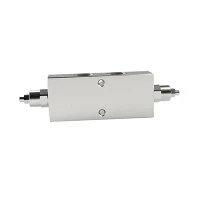
Maintaining the optimal performance of pressure relief valves is crucial for the safety and efficiency of various industrial systems. One of the key maintenance tasks involves cleaning the orifice in a pressure relief valve. As a leading Pressure Relief Valve supplier, we understand the significance of this process and are here to guide you through it.
Understanding the Orifice in a Pressure Relief Valve
The orifice in a pressure relief valve plays a vital role in regulating the flow of fluid through the valve. It is a small opening that controls the rate at which the valve releases pressure when the system pressure exceeds the set limit. Over time, the orifice can become clogged with debris, dirt, and contaminants, which can affect the valve's performance and reliability.
Reasons for Cleaning the Orifice
- Preventing Clogging: Debris and contaminants can accumulate in the orifice, restricting the flow of fluid and causing the valve to malfunction. Cleaning the orifice regularly helps prevent clogging and ensures the valve operates smoothly.
- Maintaining Accuracy: A clean orifice is essential for maintaining the accuracy of the pressure relief valve. Clogged orifices can cause the valve to open prematurely or fail to open at the correct pressure, leading to potential safety hazards.
- Extending Valve Life: Regular cleaning of the orifice can help extend the life of the pressure relief valve. By preventing damage caused by clogging and corrosion, you can ensure the valve continues to function effectively for a longer period.
Tools and Materials Required
Before you start cleaning the orifice in a pressure relief valve, you will need the following tools and materials:

- Safety Equipment: Wear safety glasses, gloves, and appropriate protective clothing to prevent injury.
- Valve Removal Tools: Depending on the type of valve, you may need wrenches, pliers, or other tools to remove the valve from the system.
- Cleaning Solvent: Use a suitable cleaning solvent to remove dirt, debris, and contaminants from the orifice. Make sure the solvent is compatible with the valve materials.
- Brushes and Picks: Use small brushes and picks to clean the orifice and remove any stubborn debris.
- Compressed Air: Compressed air can be used to blow out any remaining debris from the orifice after cleaning.
- Inspection Tools: A magnifying glass or microscope can be used to inspect the orifice for damage or wear.
Step-by-Step Guide to Cleaning the Orifice
- Isolate the Valve: Before you start working on the valve, make sure to isolate it from the system by shutting off the flow of fluid and relieving the pressure.
- Remove the Valve: Use the appropriate tools to remove the pressure relief valve from the system. Be careful not to damage the valve or the surrounding components.
- Disassemble the Valve: Carefully disassemble the valve according to the manufacturer's instructions. This may involve removing the bonnet, spring, and other components.
- Locate the Orifice: The orifice is usually located in the valve seat or the disc. Use a magnifying glass or microscope to locate the orifice and inspect it for damage or wear.
- Clean the Orifice: Dip a small brush or pick into the cleaning solvent and gently clean the orifice. Be careful not to damage the orifice or the surrounding components. If the orifice is heavily clogged, you may need to soak the valve in the cleaning solvent for a few hours to loosen the debris.
- Rinse the Valve: After cleaning the orifice, rinse the valve thoroughly with clean water to remove any remaining cleaning solvent.
- Dry the Valve: Use compressed air or a clean cloth to dry the valve completely before reassembling it.
- Inspect the Valve: Before reassembling the valve, inspect all the components for damage or wear. Replace any worn or damaged components as necessary.
- Reassemble the Valve: Carefully reassemble the valve according to the manufacturer's instructions. Make sure all the components are properly seated and tightened.
- Install the Valve: Install the pressure relief valve back into the system and reconnect the fluid lines. Make sure the valve is properly aligned and tightened.
- Test the Valve: After installing the valve, test it to make sure it is functioning properly. Slowly increase the pressure in the system and observe the valve's operation. The valve should open and close at the correct pressure.
Tips and Precautions
- Follow the Manufacturer's Instructions: Always follow the manufacturer's instructions when cleaning and maintaining the pressure relief valve. This will ensure the valve is cleaned and maintained correctly and will help prevent damage to the valve or the system.
- Use the Right Cleaning Solvent: Make sure to use a cleaning solvent that is compatible with the valve materials. Using the wrong cleaning solvent can damage the valve and cause it to malfunction.
- Be Careful When Cleaning the Orifice: The orifice is a small and delicate component, so be careful when cleaning it. Use a small brush or pick and gentle pressure to avoid damaging the orifice.
- Inspect the Valve Regularly: Regularly inspect the pressure relief valve for signs of wear, damage, or clogging. This will help you identify any potential problems early and take appropriate action to prevent them.
- Replace Worn or Damaged Components: If you notice any worn or damaged components during the inspection, replace them immediately. Using a valve with worn or damaged components can be dangerous and can cause the valve to malfunction.
Related Products
If you are in need of high-quality pressure relief valve parts, we offer a wide range of products to meet your needs. Check out our Hydraulic Ram Cylinder Parts, Motor Overcenter Valve For Crane, and Hot Sale Hydraulic Control Valve Balance Valve For Mini Excavator. These products are designed to provide reliable performance and durability in various industrial applications.
Contact Us for Procurement
If you have any questions about cleaning the orifice in a pressure relief valve or are interested in our products, please contact us. We are ready to discuss your specific requirements and provide you with the best solutions for your pressure relief valve needs. Our team of experts is always available to assist you with your procurement process and ensure you get the right products for your application.
References
- ASME Boiler and Pressure Vessel Code, Section VIII, Division 1.
- API Standard 520, Sizing, Selection, and Installation of Pressure-Relieving Devices in Refineries.
- Valve Manufacturer's Technical Documentation.