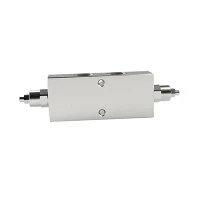
Leaks in hydraulic fittings can lead to a range of issues, from minor inefficiencies to significant system failures. As a trusted Hydraulic Fittings supplier, we understand the critical importance of preventing these leaks. In this blog post, we'll explore various strategies and best practices to help you keep your hydraulic systems leak - free.
Understanding the Causes of Hydraulic Fitting Leaks
Before we dive into prevention methods, it's essential to understand what causes leaks in hydraulic fittings in the first place. There are several common culprits:
Improper Installation
One of the most frequent causes of leaks is incorrect installation. If fittings are not tightened to the proper torque specifications, it can create gaps where hydraulic fluid can escape. Additionally, cross - threading during the installation process can damage the threads on the fitting and the mating component, leading to leaks over time.
Wear and Tear
Hydraulic systems are often subject to high pressures and continuous movement. Over time, this can cause the seals and gaskets in the fittings to wear out. Vibrations can also contribute to the degradation of these components, eventually resulting in leaks.
Contamination
Dirt, debris, and other contaminants in the hydraulic fluid can cause abrasion on the internal surfaces of the fittings. This abrasion can damage the seals and lead to leaks. Contamination can also cause corrosion, which weakens the fitting material and further exacerbates the problem.
Incorrect Fitting Selection
Using the wrong type of fitting for a specific application can lead to leaks. For example, if a fitting is not designed to handle the high pressures of a particular hydraulic system, it may fail and allow fluid to leak.
Preventive Strategies
Proper Installation
- Torque Specifications: Always refer to the manufacturer's torque specifications when installing hydraulic fittings. Using a torque wrench ensures that the fittings are tightened to the correct level. Over - tightening can damage the threads and the seals, while under - tightening can result in leaks. For example, when installing a high - pressure fitting, make sure to follow the recommended torque values precisely to avoid any issues.
- Thread Sealants: In some cases, using a thread sealant can help prevent leaks. However, it's important to choose the right type of sealant for the application. For metal - to - metal fittings, a high - temperature, high - pressure sealant may be required. Make sure to apply the sealant evenly and according to the manufacturer's instructions.
- Alignment: Proper alignment of the fittings is crucial. Misaligned fittings can cause uneven stress on the seals and gaskets, leading to leaks. Take the time to ensure that the fittings are correctly aligned before tightening them.
Regular Maintenance
- Inspections: Conduct regular inspections of your hydraulic fittings. Look for signs of wear, such as cracked seals, damaged threads, or fluid stains around the fittings. Early detection of these issues can prevent them from turning into major leaks. For example, a small drip can be an early indication of a failing seal.
- Seal Replacement: Replace seals and gaskets at regular intervals. The frequency of replacement will depend on the operating conditions of the hydraulic system. In high - stress environments, seals may need to be replaced more frequently. Keep a stock of the appropriate seals on hand to minimize downtime in case of a failure.
- Fluid Analysis: Regularly analyze the hydraulic fluid for contaminants. Contaminated fluid can accelerate the wear of the fittings and seals. Use a reliable fluid analysis service to determine the condition of the fluid and take appropriate measures, such as cleaning or replacing the fluid, if necessary.
Contamination Control
- Filtration: Install high - quality filters in your hydraulic system to remove dirt, debris, and other contaminants from the fluid. Filters should be selected based on the specific requirements of the system, including the size of the particles to be removed and the flow rate of the fluid.
- Clean Work Environment: When working on hydraulic systems, ensure that the work area is clean. This helps prevent dirt and debris from entering the system during installation or maintenance. Wear clean gloves and use clean tools to minimize the risk of contamination.
Correct Fitting Selection
- Pressure and Temperature Ratings: Choose fittings that are rated for the pressure and temperature conditions of your hydraulic system. For example, if your system operates at high pressures, select high - pressure fittings. Using fittings with incorrect ratings can lead to premature failure and leaks.
- Compatibility: Ensure that the fittings are compatible with the hydraulic fluid used in the system. Different fluids have different chemical properties, and using incompatible fittings can cause corrosion and seal degradation.
The Role of Our Products in Leak Prevention
As a leading Hydraulic Fittings supplier, we offer a wide range of high - quality products designed to prevent leaks. Our fittings are manufactured using premium materials and advanced manufacturing processes to ensure durability and reliability.
We provide a variety of valve products, such as the Multiway Directional Valve P80. This valve is designed with precision to ensure tight sealing and efficient operation, reducing the risk of leaks in the hydraulic system.
Our Hydraulic Crane Hydraulic Manifold is another example of our commitment to quality. It is engineered to withstand high pressures and provide reliable performance, minimizing the chances of hydraulic fluid leakage.
In addition, we work closely with China Hydraulic Manifold Manufacturers Hydraulic Manifold to ensure that our manifold products meet the highest standards. These manifolds are designed to distribute hydraulic fluid evenly and prevent leaks at the connection points.
Conclusion
Preventing leaks in hydraulic fittings is crucial for the efficient and reliable operation of hydraulic systems. By understanding the causes of leaks and implementing proper preventive strategies, such as correct installation, regular maintenance, contamination control, and appropriate fitting selection, you can significantly reduce the risk of leaks.
At our company, we are dedicated to providing high - quality Hydraulic Fittings that help you achieve leak - free hydraulic systems. If you are looking for reliable hydraulic fittings or need advice on leak prevention, please contact us for a purchase negotiation. We have a team of experts ready to assist you in finding the best solutions for your specific needs.


References
- "Hydraulic System Basics" - Parker Hannifin Corporation
- "Fluid Power Technology Handbook" - Rexroth Corporation