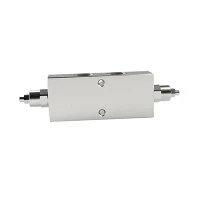
A motor control valve is a crucial component in many industrial systems, especially in environments where fluid flow needs to be precisely regulated. However, in corrosive environments, these valves are at a high risk of degradation, which can lead to system failures, safety hazards, and increased maintenance costs. As a reputable motor control valve supplier, we understand the importance of protecting these valves in such challenging conditions. This blog will discuss various strategies to protect a motor control valve in a corrosive environment.
Understanding the Corrosive Environment
Before implementing any protection measures, it's essential to understand the nature of the corrosive environment. Corrosion can be caused by various factors, including chemicals, moisture, temperature, and the presence of certain gases. For example, in industrial settings where acids or alkalis are present, the valve can be exposed to chemical corrosion. In coastal areas, the high salt content in the air can lead to saltwater corrosion.
Selecting the Right Materials
One of the most effective ways to protect a motor control valve in a corrosive environment is to select the right materials for its construction. Different materials have varying levels of resistance to corrosion. For instance, stainless steel is a popular choice due to its high resistance to rust and chemical corrosion. It contains chromium, which forms a passive oxide layer on the surface, preventing further corrosion.


Another option is to use nickel-based alloys such as Hastelloy. These alloys have excellent resistance to a wide range of corrosive agents, including acids, alkalis, and seawater. They are often used in highly corrosive environments where other materials may fail.
When selecting materials, it's also important to consider the compatibility of different components of the valve. For example, if the valve body is made of stainless steel, the internal components such as the seals and gaskets should also be made of materials that are compatible with stainless steel and resistant to corrosion.
Coating and Linings
Applying coatings and linings to the motor control valve can provide an additional layer of protection against corrosion. There are various types of coatings available, each with its own advantages and disadvantages.
One common type of coating is epoxy coating. Epoxy coatings are known for their excellent adhesion and chemical resistance. They can be applied to the valve body and other exposed surfaces to prevent corrosion. Another option is to use a PTFE (polytetrafluoroethylene) coating. PTFE coatings have a low coefficient of friction and are highly resistant to chemical attack. They are often used in applications where the valve needs to operate in a high-temperature and corrosive environment.
In addition to coatings, linings can also be used to protect the internal surfaces of the valve. For example, rubber linings can be used to protect the valve from abrasion and corrosion caused by the flow of abrasive or corrosive fluids.
Proper Installation and Maintenance
Proper installation and maintenance of the motor control valve are also crucial for its protection in a corrosive environment. During installation, it's important to ensure that the valve is installed correctly and that all connections are tight. Any gaps or leaks can allow corrosive agents to enter the valve and cause damage.
Regular maintenance is also essential to detect and prevent corrosion. This includes inspecting the valve for signs of corrosion, such as rust, pitting, or discoloration. If corrosion is detected, appropriate measures should be taken immediately to prevent further damage. This may include cleaning the valve, applying coatings or linings, or replacing damaged components.
Use of Protective Enclosures
In some cases, it may be necessary to use protective enclosures to protect the motor control valve from the corrosive environment. Protective enclosures can be made of various materials, such as plastic or metal, and can provide a physical barrier between the valve and the corrosive agents.
For example, in outdoor applications where the valve is exposed to the elements, a weatherproof enclosure can be used to protect it from rain, snow, and sunlight. In industrial settings where there are high levels of chemical fumes or dust, a sealed enclosure can be used to prevent these contaminants from reaching the valve.
Monitoring and Control
Continuous monitoring of the motor control valve and the surrounding environment can help detect early signs of corrosion and take appropriate action. This can be done using various sensors, such as corrosion sensors, temperature sensors, and humidity sensors.
For example, corrosion sensors can be used to measure the level of corrosion on the valve surface. If the corrosion level exceeds a certain threshold, an alarm can be triggered, and maintenance personnel can be notified. Temperature and humidity sensors can be used to monitor the environmental conditions around the valve and ensure that they are within the acceptable range.
Our Product Offerings
As a motor control valve supplier, we offer a wide range of high-quality valves that are designed to withstand corrosive environments. Our valves are made of premium materials and are equipped with advanced corrosion protection features.
For example, our YHZ-2-7MSB1 2-Way Solenoid Valve Group Swivel Used For Hydraulic Grapple For Excavator is made of high-strength stainless steel and is coated with a special epoxy coating to provide excellent resistance to corrosion. It is suitable for use in hydraulic systems in excavators and other heavy equipment.
We also offer Swivel Joint and 2-way Swivel For Excavator, which are designed for use in hydraulic systems. These products are made of durable materials and are engineered to withstand harsh operating conditions, including corrosive environments.
Contact Us for Procurement
If you are looking for reliable motor control valves for your corrosive environment applications, we are here to help. Our team of experts can provide you with professional advice and solutions to meet your specific needs. Whether you need a single valve or a complete valve system, we can offer you high-quality products at competitive prices.
Don't hesitate to contact us for procurement and further discussions. We are committed to providing you with the best products and services to ensure the long - term performance and reliability of your systems.
References
- Fontana, M. G. (1986). Corrosion engineering. McGraw - Hill.
- Uhlig, H. H., & Revie, R. W. (1985). Corrosion and corrosion control: an introduction to corrosion science and engineering. Wiley.
- Schweitzer, P. A. (1999). Corrosion resistant piping systems. Marcel Dekker.