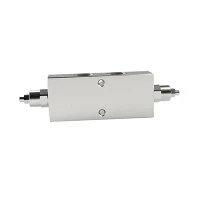
As a supplier of Pressure Relief Valves, I understand the importance of proper maintenance and replacement of parts to ensure the reliable and safe operation of these critical components. One key component that may need replacement over time is the diaphragm of a Pressure Relief Valve. In this blog, I'll guide you through the process of replacing the diaphragm, providing you with a step-by-step approach to ensure a successful replacement.


Understanding the Diaphragm in a Pressure Relief Valve
Before we dive into the replacement process, it's essential to understand the role of the diaphragm in a Pressure Relief Valve. The diaphragm acts as a flexible barrier that separates different pressure zones within the valve. It responds to changes in pressure and helps regulate the flow of fluid or gas through the valve. Over time, due to continuous exposure to pressure, temperature, and the media flowing through the valve, the diaphragm can wear out, crack, or become damaged. When this happens, it can compromise the valve's performance and safety, making replacement necessary.
Tools and Materials You'll Need
- Replacement Diaphragm: Ensure you have the correct diaphragm for your specific Pressure Relief Valve model. You can obtain this from your valve manufacturer or a reputable supplier.
- Wrenches: A set of appropriate wrenches to remove and install the valve components.
- Sealant: Depending on the valve design, you may need a suitable sealant to ensure a proper seal after the diaphragm replacement.
- Safety Equipment: Gloves and safety glasses to protect yourself during the replacement process.
Step-by-Step Guide to Replace the Diaphragm
- Shut Down the System: Before starting any work on the Pressure Relief Valve, it's crucial to shut down the system to which the valve is connected. This will prevent any accidental release of pressure or fluid during the replacement process.
- Isolate the Valve: Close the isolation valves on either side of the Pressure Relief Valve to prevent any fluid or gas from flowing through the valve while you're working on it.
- Depressurize the Valve: Use a proper procedure to depressurize the valve. This may involve opening a bleed valve or using a pressure gauge to ensure that the pressure within the valve is at a safe level.
- Remove the Valve Cover: Using the appropriate wrenches, carefully remove the valve cover. This will expose the diaphragm and other internal components of the valve.
- Remove the Old Diaphragm: Take note of how the old diaphragm is installed, including any gaskets or seals. Carefully remove the old diaphragm from the valve, being careful not to damage any other components.
- Inspect the Valve: While the diaphragm is removed, take the opportunity to inspect the valve for any signs of damage or wear. Check the valve seat, springs, and other components for any issues that may need to be addressed.
- Clean the Valve: Use a suitable cleaning agent to clean the valve components, removing any debris or contaminants. Make sure to dry the components thoroughly before installing the new diaphragm.
- Install the New Diaphragm: Place the new diaphragm in the valve, ensuring that it is properly aligned with the valve seat and other components. Follow the manufacturer's instructions for installing the diaphragm, including any gaskets or seals.
- Apply Sealant (if necessary): If the valve design requires the use of a sealant, apply a thin layer of sealant to the appropriate areas of the valve before reassembling.
- Reassemble the Valve: Carefully reassemble the valve, starting with the valve cover. Use the appropriate wrenches to tighten the bolts to the specified torque.
- Test the Valve: Once the valve is reassembled, slowly open the isolation valves to allow fluid or gas to flow through the valve. Check for any leaks or abnormal operation. Use a pressure gauge to verify that the valve is operating within the specified pressure range.
Common Challenges and Troubleshooting
- Leakage: If you notice any leakage after the diaphragm replacement, check the valve connections and the diaphragm installation. Make sure all bolts are tightened to the correct torque and that the diaphragm is properly seated.
- Incorrect Pressure Setting: If the valve is not operating at the correct pressure, check the valve's pressure setting. You may need to adjust the spring or other components to achieve the desired pressure.
- Diaphragm Damage: If the new diaphragm is damaged during installation, replace it with a new one. Make sure to handle the diaphragm carefully and follow the manufacturer's instructions for installation.
Importance of Regular Maintenance
Replacing the diaphragm of a Pressure Relief Valve is just one aspect of regular maintenance. Regular maintenance helps ensure the reliable and safe operation of the valve, extends its service life, and reduces the risk of costly downtime. As a Pressure Relief Valve supplier, we recommend following a maintenance schedule provided by the valve manufacturer. This may include regular inspections, cleaning, and replacement of worn components.
Related Products and Resources
If you're interested in learning more about Pressure Relief Valves or related products, we have some useful resources for you. Check out our pages on Rexroth Counterbalance Valve Same Vbcd System, Hydraulic Motor Counterbalance Valve, and VBCD 3/8" DE A 40L/min Hydraulic Valves Double Counterbalance Valve. These pages provide detailed information about our products and their applications.
Conclusion
Replacing the diaphragm of a Pressure Relief Valve is a critical maintenance task that can ensure the safe and reliable operation of the valve. By following the steps outlined in this blog and using the proper tools and materials, you can successfully replace the diaphragm and keep your valve in good working condition. If you have any questions or need further assistance with your Pressure Relief Valve, don't hesitate to contact us. We're here to help you with all your valve needs and look forward to discussing potential procurement opportunities with you.
References
- Manufacturer's instruction manuals for Pressure Relief Valves.
- Industry standards and best practices for valve maintenance.