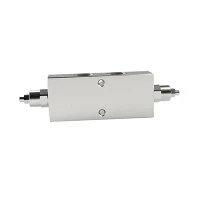
As a seasoned supplier of hydraulic lock valves, I understand the critical importance of ensuring the functionality of these essential components. Hydraulic lock valves play a pivotal role in various industrial applications, including construction equipment, agricultural machinery, and manufacturing processes. In this blog post, I will share some comprehensive insights on how to test the functionality of a hydraulic lock valve, drawing from my years of experience in the industry.
Understanding the Basics of Hydraulic Lock Valves
Before delving into the testing procedures, it's crucial to have a solid understanding of what a hydraulic lock valve is and how it operates. A hydraulic lock valve is a type of valve that is designed to hold a hydraulic cylinder in a fixed position, preventing it from moving due to external forces. It consists of two main components: a check valve and a pilot-operated relief valve. The check valve allows fluid to flow in one direction, while the pilot-operated relief valve opens when a certain pressure is applied, allowing fluid to flow in the opposite direction.
Preparing for the Test
Proper preparation is key to conducting an accurate and effective test of a hydraulic lock valve. Here are the steps you should take before starting the test:
- Gather the Necessary Tools and Equipment: You will need a hydraulic test bench, pressure gauges, flow meters, and a suitable hydraulic fluid. Make sure all the tools and equipment are in good working condition and calibrated correctly.
- Inspect the Valve: Before testing, visually inspect the hydraulic lock valve for any signs of damage, such as cracks, leaks, or worn-out components. If you notice any issues, replace the damaged parts before proceeding with the test.
- Mount the Valve: Install the hydraulic lock valve on the test bench according to the manufacturer's instructions. Make sure the valve is securely mounted and all the connections are tight.
- Fill the System with Hydraulic Fluid: Fill the hydraulic system with the recommended hydraulic fluid and bleed any air from the system. This will ensure accurate pressure readings during the test.
Conducting the Functionality Test
Once you have completed the preparation steps, you can proceed with the functionality test. Here are the key steps involved in testing a hydraulic lock valve:
- Check the Check Valve Function: The check valve is responsible for allowing fluid to flow in one direction and preventing backflow. To test the check valve, apply pressure to the inlet port of the valve and observe the pressure gauge on the outlet port. The pressure should increase steadily until it reaches the set pressure of the check valve. Once the set pressure is reached, the check valve should close, and the pressure on the outlet port should remain stable. If the pressure on the outlet port continues to increase or drops suddenly, it indicates a problem with the check valve.
- Test the Pilot-Operated Relief Valve Function: The pilot-operated relief valve is designed to open when a certain pressure is applied, allowing fluid to flow in the opposite direction. To test the pilot-operated relief valve, apply pressure to the pilot port of the valve and observe the pressure gauge on the outlet port. The pressure should increase steadily until it reaches the set pressure of the relief valve. Once the set pressure is reached, the relief valve should open, and the pressure on the outlet port should drop. If the relief valve does not open or opens at an incorrect pressure, it indicates a problem with the relief valve.
- Check the Locking Function: The primary function of a hydraulic lock valve is to hold a hydraulic cylinder in a fixed position. To test the locking function, apply pressure to the inlet port of the valve and extend the hydraulic cylinder to its maximum stroke. Then, release the pressure on the inlet port and observe the position of the cylinder. The cylinder should remain in the extended position without any movement. If the cylinder moves or drifts, it indicates a problem with the locking function of the valve.
- Test the Flow Rate: In addition to the pressure tests, it's also important to test the flow rate of the hydraulic lock valve. Use a flow meter to measure the flow rate of the fluid through the valve at different pressures. Compare the measured flow rate with the manufacturer's specifications to ensure that the valve is operating within the acceptable range.
Analyzing the Test Results
Once you have completed the functionality test, it's time to analyze the test results. Here are some key points to consider when analyzing the results:
- Compare the Results with the Specifications: Compare the test results with the manufacturer's specifications to determine if the hydraulic lock valve is operating within the acceptable range. If the results deviate significantly from the specifications, it indicates a problem with the valve.
- Look for Any Abnormalities: Pay attention to any abnormal readings or behaviors during the test, such as sudden pressure drops, leaks, or unusual noises. These could be signs of a problem with the valve or the hydraulic system.
- Document the Results: Record all the test results, including the pressure readings, flow rates, and any observations or abnormalities. This documentation will be useful for future reference and troubleshooting.
Troubleshooting and Maintenance
If the test results indicate a problem with the hydraulic lock valve, it's important to troubleshoot the issue and take appropriate maintenance measures. Here are some common problems and their possible solutions:
- Leaking Valve: If the valve is leaking, check the seals and gaskets for any signs of damage or wear. Replace the damaged seals and gaskets and tighten all the connections.
- Incorrect Pressure Settings: If the pressure settings of the check valve or the pilot-operated relief valve are incorrect, adjust the settings according to the manufacturer's instructions.
- Worn-Out Components: If the valve components are worn out, such as the spool or the seat, replace the damaged parts.
- Contaminated Hydraulic Fluid: If the hydraulic fluid is contaminated, drain the fluid and replace it with clean fluid. Make sure to filter the fluid before adding it to the system.
Conclusion
Testing the functionality of a hydraulic lock valve is a crucial step in ensuring the reliability and performance of hydraulic systems. By following the steps outlined in this blog post, you can effectively test the check valve function, the pilot-operated relief valve function, the locking function, and the flow rate of the valve. Remember to analyze the test results carefully and take appropriate maintenance measures if any problems are detected.
As a trusted supplier of hydraulic lock valves, we offer a wide range of high-quality valves that are designed to meet the diverse needs of our customers. Our valves are rigorously tested to ensure their functionality and reliability, and we provide excellent customer support to help you with any questions or concerns you may have. If you are interested in purchasing hydraulic lock valves or need more information about our products, please feel free to [initiate a contact for procurement discussions]. We look forward to working with you.


References
- Hydraulic Systems and Components: A Practical Approach, Third Edition by Michael H. Neubert
- Fluid Power with Applications, Eighth Edition by Anthony Esposito