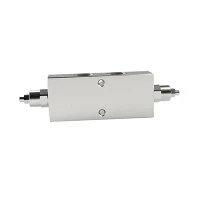
Fail-safe modes are crucial for motor-actuated valves, ensuring safety and reliability in various industrial applications. As a leading supplier of motor-actuated valves, we understand the importance of these modes in maintaining system integrity and preventing potential hazards. In this blog, we will explore the different types of fail-safe modes for motor-actuated valves, their applications, and how they contribute to the overall safety of industrial processes.


Understanding Fail-Safe Modes
A fail-safe mode is a design feature that allows a system to automatically respond to a failure or abnormal condition in a safe and predictable manner. In the context of motor-actuated valves, fail-safe modes are designed to prevent the valve from remaining in an unsafe position in the event of a power failure, control system malfunction, or other critical issues. By defaulting to a safe position, these modes help minimize the risk of damage to equipment, protect the environment, and ensure the safety of personnel.
Types of Fail-Safe Modes
1. Fail-Open Mode
In a fail-open mode, the motor-actuated valve is designed to open automatically when a failure occurs. This mode is commonly used in applications where it is necessary to maintain flow or relieve pressure in the event of a system failure. For example, in a fire protection system, a fail-open valve can ensure that water is continuously supplied to the sprinklers, even if the power or control system fails. Similarly, in a chemical processing plant, a fail-open valve can prevent the buildup of pressure in a pipeline, reducing the risk of an explosion.
The fail-open mode is typically achieved through the use of a spring or other mechanical device that is designed to overcome the closing force of the motor when power is lost. When the power is restored, the motor can then be used to close the valve and resume normal operation.
2. Fail-Closed Mode
Conversely, a fail-closed mode is used when it is necessary to stop the flow of fluid or isolate a section of a system in the event of a failure. This mode is commonly employed in applications where the uncontrolled flow of fluid could pose a significant risk, such as in the handling of hazardous chemicals or the operation of nuclear power plants.
In a fail-closed mode, the motor-actuated valve is designed to close automatically when a power failure or other critical issue occurs. This can be achieved through the use of a spring or other mechanical device that is designed to overcome the opening force of the motor when power is lost. Once the power is restored, the motor can be used to open the valve and resume normal operation.
3. Fail-Last Mode
The fail-last mode, also known as the hold-position mode, is designed to maintain the valve in its current position when a failure occurs. This mode is often used in applications where it is important to maintain the status quo, such as in a process control system where sudden changes in flow or pressure could disrupt the operation of the system.
In a fail-last mode, the motor-actuated valve is equipped with a locking mechanism or other device that prevents it from moving when power is lost. This ensures that the valve remains in its current position, allowing the system to continue operating until the issue can be resolved.
4. Fail-Safe Retract Mode
The fail-safe retract mode is specifically designed for valves that are used in applications where the valve stem needs to be retracted in the event of a failure. This mode is commonly used in applications such as oil and gas pipelines, where the retraction of the valve stem can prevent the leakage of fluid and reduce the risk of environmental damage.
In a fail-safe retract mode, the motor-actuated valve is designed to retract the valve stem automatically when a power failure or other critical issue occurs. This can be achieved through the use of a spring or other mechanical device that is designed to overcome the force holding the valve stem in place when power is lost. Once the power is restored, the motor can be used to extend the valve stem and resume normal operation.
Applications of Fail-Safe Modes
The choice of fail-safe mode for a motor-actuated valve depends on the specific requirements of the application. Here are some common applications and the corresponding fail-safe modes:
1. Water Treatment Plants
In water treatment plants, fail-open valves are often used to ensure the continuous supply of water in the event of a power failure or other critical issue. This helps prevent the disruption of the treatment process and ensures the availability of clean water for consumption.
2. Oil and Gas Industry
In the oil and gas industry, fail-closed valves are commonly used to prevent the leakage of hazardous fluids in the event of a pipeline rupture or other emergency. These valves are also used to isolate sections of the pipeline for maintenance or repair purposes.
3. Chemical Processing Plants
Chemical processing plants typically use a combination of fail-open and fail-closed valves to ensure the safety and reliability of the process. Fail-open valves can be used to relieve pressure in the event of a system failure, while fail-closed valves can be used to prevent the uncontrolled release of hazardous chemicals.
4. Power Generation Facilities
Power generation facilities, including nuclear power plants, rely on fail-safe modes to ensure the safe and reliable operation of the plant. Fail-closed valves are often used to isolate critical components in the event of a power failure or other emergency, while fail-open valves can be used to maintain the flow of coolant or other essential fluids.
Our Products and Services
As a trusted supplier of motor-actuated valves, we offer a wide range of products that are designed to meet the specific requirements of various industries. Our valves are equipped with advanced fail-safe features, ensuring the safety and reliability of your systems.
We also provide comprehensive technical support and services to help you select the right fail-safe mode for your application. Our team of experts can assist you with valve sizing, installation, and maintenance, ensuring that your valves operate efficiently and effectively.
In addition to our motor-actuated valves, we also offer a range of related products, such as Yikde Eaton Hydraulic Fittings, Hydraulic Components Single Overcenter Valve, and Hydraulic Motor Parts. These products are designed to work seamlessly with our motor-actuated valves, providing a complete solution for your industrial needs.
Contact Us for Purchase and Consultation
If you are interested in our motor-actuated valves or related products, we invite you to contact us for a consultation. Our sales team will be happy to discuss your specific requirements and provide you with a customized solution. We are committed to providing high-quality products and excellent customer service, and we look forward to working with you to meet your industrial needs.
References
- Smith, J. (2018). Industrial Valve Handbook. Elsevier.
- Davis, R. (2019). Safety Instrumented Systems: Design, Analysis, and Justification. Wiley.
- Johnson, M. (2020). Process Control and Instrumentation. CRC Press.