

An aerial work platform (AWP), also known as an elevated work platform (EWP), is a mechanical device used to provide temporary access for people or equipment to inaccessible areas, usually at height. As a supplier of aerial work platforms, I am well - versed in the ins and outs of these remarkable machines.
Types of Aerial Work Platforms
There are several types of aerial work platforms, each designed to meet different working requirements.

Scissor Lifts
Scissor lifts are one of the most common types of AWPs. They use a scissor mechanism to raise the platform vertically. These lifts are typically used for indoor tasks such as maintenance, installation, and painting. They offer a stable working platform and can reach heights ranging from a few meters to over 18 meters. The advantage of scissor lifts is their relatively simple design, which makes them easy to operate and maintain.
Boom Lifts
Boom lifts, on the other hand, have a telescopic or articulating boom that can extend horizontally and vertically. This allows workers to reach areas that are difficult to access with a scissor lift, such as over obstacles or into confined spaces. There are two main types of boom lifts: telescopic boom lifts and articulating boom lifts. Telescopic boom lifts offer greater horizontal reach and are often used in construction and industrial applications. Articulating boom lifts, with their multiple joints, can be more maneuverable and are suitable for tasks where precise positioning is required.
Vertical Mast Lifts
Vertical mast lifts are compact and lightweight, making them ideal for use in tight spaces. They are commonly used in warehouses, retail stores, and other indoor environments. These lifts typically have a single mast that extends vertically, providing a stable platform for working at height.
Key Components of Aerial Work Platforms
Aerial work platforms consist of several key components that work together to ensure safe and efficient operation.
Hydraulic System
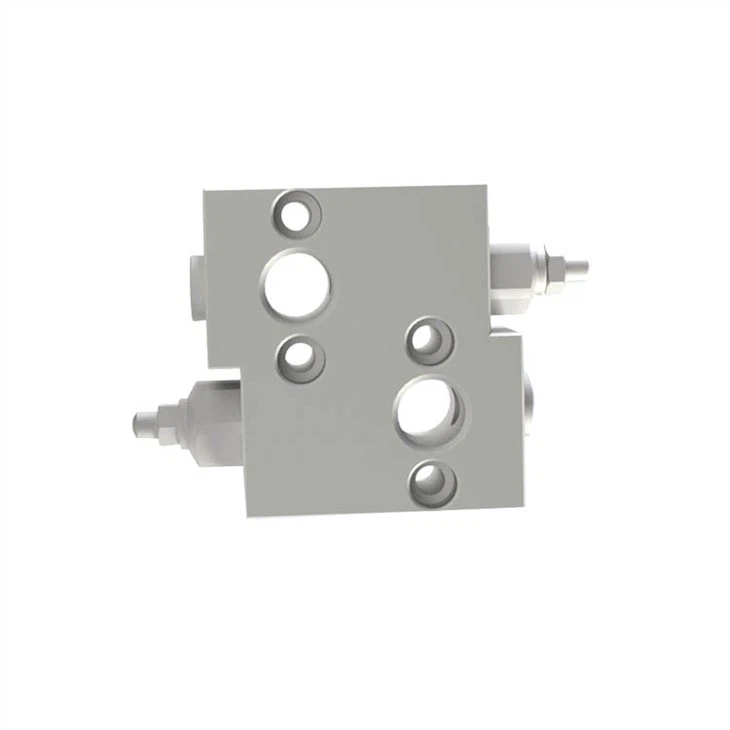
The hydraulic system is the heart of an AWP. It is responsible for powering the movement of the lift, including raising and lowering the platform, extending and retracting the boom, and controlling the outriggers. The hydraulic system uses hydraulic fluid to transmit power, and it is essential to maintain the proper fluid level and quality to ensure optimal performance. Components such as Safety Relief Valve play a crucial role in the hydraulic system. A safety relief valve is designed to protect the hydraulic system from over - pressure by releasing excess fluid when the pressure exceeds a certain limit.
Control System
The control system allows the operator to control the movement of the aerial work platform. It typically includes a control panel with various switches and joysticks that enable the operator to raise, lower, extend, and retract the platform. Modern AWPs often come with advanced control systems that offer features such as proportional control, which allows for more precise movement.
Safety Features
Safety is of utmost importance when it comes to aerial work platforms. These machines are equipped with a variety of safety features to protect the operator and prevent accidents. Some common safety features include guardrails around the platform to prevent falls, emergency stop buttons, and overload sensors. Additionally, components like Buffer Valve and Orbital Hydraulic Motor Safety Valve contribute to the overall safety of the hydraulic system. A buffer valve helps to smooth out the movement of the hydraulic cylinders, reducing the risk of sudden jerks or shocks. An orbital hydraulic motor safety valve protects the motor from over - pressure and ensures its proper operation.
Applications of Aerial Work Platforms
Aerial work platforms are used in a wide range of industries and applications.
Construction Industry
In the construction industry, AWPs are used for tasks such as building construction, maintenance, and renovation. They allow workers to access high - rise buildings, install windows, and perform other tasks at height safely and efficiently.
Industrial Maintenance
In industrial settings, aerial work platforms are used for equipment maintenance, inspection, and repair. They provide a stable platform for workers to access machinery and equipment located at height, reducing the need for ladders and scaffolding.
Warehousing and Logistics
In warehouses and distribution centers, AWPs are used for tasks such as inventory management, order picking, and shelf stocking. They allow workers to reach high shelves and storage areas quickly and safely.
Telecommunications and Utility Industries
In the telecommunications and utility industries, AWPs are used for tasks such as installing and maintaining telephone lines, power lines, and cell towers. They provide access to high - voltage equipment and other hard - to - reach areas.
Advantages of Using Aerial Work Platforms
There are several advantages to using aerial work platforms compared to traditional methods of working at height, such as ladders and scaffolding.
Safety
Aerial work platforms are designed with safety in mind. They are equipped with safety features such as guardrails, emergency stop buttons, and overload sensors, which help to prevent accidents and protect the operator. Additionally, the stability of the platform reduces the risk of falls compared to ladders.
Efficiency
AWPs allow workers to reach their work areas quickly and easily. They can be moved and positioned more rapidly than scaffolding, which saves time and increases productivity. The ability to adjust the height and position of the platform also allows for more precise work.
Versatility
Aerial work platforms come in a variety of types and sizes, making them suitable for a wide range of applications. Whether it's a small indoor task or a large - scale construction project, there is an AWP that can meet the requirements.
Considerations When Choosing an Aerial Work Platform
When choosing an aerial work platform, there are several factors to consider.
Height and Reach Requirements
The first consideration is the height and reach required for the job. Different types of AWPs have different maximum heights and horizontal reaches. It is important to choose a platform that can reach the required height and position to complete the task safely and efficiently.
Load Capacity
The load capacity of the aerial work platform is also an important factor. It is necessary to ensure that the platform can support the weight of the workers, tools, and materials that will be on the platform.
Terrain and Environment
The terrain and environment where the AWP will be used should also be considered. For example, if the work will be done on uneven ground, a platform with outriggers or a rough - terrain model may be required. If the work is indoors, a compact and quiet model may be more suitable.
Conclusion
Aerial work platforms are essential tools in many industries, providing a safe and efficient way to work at height. As a supplier of aerial work platforms, I understand the importance of providing high - quality products that meet the needs of our customers. Whether you are in the construction, industrial, warehousing, or telecommunications industry, we have the right AWP for your application.
If you are interested in purchasing an aerial work platform or have any questions about our products, please feel free to contact us for a detailed discussion. We are committed to providing you with the best solutions and support to help you complete your projects safely and efficiently.
References
- OSHA (Occupational Safety and Health Administration) guidelines on aerial work platforms.
- Industry reports on the use and development of aerial work platforms.
- Manufacturer's manuals and technical specifications for aerial work platforms.


