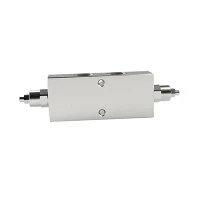
As a supplier of hydraulic components, I've had the privilege of witnessing the intricate dance of machinery powered by hydraulics. One component that stands out in its importance and functionality is the hydraulic relief valve. In this blog post, I'll delve into the functions of a hydraulic relief valve in hydraulic components, shedding light on its critical role in ensuring the safe and efficient operation of hydraulic systems.
Understanding Hydraulic Systems
Before we dive into the specifics of hydraulic relief valves, it's essential to have a basic understanding of hydraulic systems. Hydraulic systems use a fluid, typically oil, to transmit power from one point to another. These systems are known for their ability to generate high forces and precise control, making them a popular choice in a wide range of applications, from construction equipment to industrial machinery.
At the heart of a hydraulic system is a pump that pressurizes the hydraulic fluid. This pressurized fluid is then directed through a series of valves and actuators to perform work. However, without proper control, the pressure in the system can rise to dangerous levels, leading to component failure, leaks, and even catastrophic accidents. This is where the hydraulic relief valve comes in.
The Primary Function of a Hydraulic Relief Valve
The primary function of a hydraulic relief valve is to protect the hydraulic system from overpressure. It acts as a safety device, ensuring that the pressure in the system does not exceed a predetermined limit. When the pressure in the system reaches the set pressure of the relief valve, the valve opens, allowing the excess fluid to flow back to the reservoir. This prevents the pressure from rising further, protecting the system and its components from damage.


For example, imagine a hydraulic system in a construction excavator. The pump in the system generates high pressure to operate the boom, arm, and bucket. If the operator accidentally tries to lift a load that is too heavy, the pressure in the system can quickly rise to dangerous levels. Without a relief valve, the excessive pressure could cause the hoses to burst, the cylinders to fail, or even damage the pump. However, with a properly functioning relief valve, the excess pressure is safely diverted back to the reservoir, preventing any damage to the system.
Secondary Functions of a Hydraulic Relief Valve
In addition to its primary function of overpressure protection, a hydraulic relief valve can also perform several secondary functions, including:
Pressure Regulation
A hydraulic relief valve can be used to regulate the pressure in a hydraulic system. By adjusting the set pressure of the relief valve, the operator can control the maximum pressure in the system, ensuring that it operates within a safe and efficient range. This is particularly useful in applications where the load on the system varies, such as in a hydraulic press or a crane.
Load Holding
In some hydraulic systems, a relief valve can be used to hold a load in place. When the load is being held, the relief valve is set to a pressure slightly higher than the pressure required to support the load. This prevents the load from moving due to any small fluctuations in pressure in the system.
Flow Control
A hydraulic relief valve can also be used to control the flow of fluid in a hydraulic system. By adjusting the set pressure of the relief valve, the operator can control the amount of fluid that flows through the valve, effectively regulating the flow rate in the system. This is useful in applications where precise flow control is required, such as in a hydraulic servo system.
Types of Hydraulic Relief Valves
There are several types of hydraulic relief valves available, each with its own unique design and operating characteristics. The most common types of hydraulic relief valves include:
Direct-Acting Relief Valves
Direct-acting relief valves are the simplest type of relief valve. They consist of a spring-loaded poppet or ball that is held against a seat by the spring force. When the pressure in the system reaches the set pressure of the valve, the force of the fluid overcomes the spring force, causing the poppet or ball to lift off the seat and allow the excess fluid to flow through the valve.
Pilot-Operated Relief Valves
Pilot-operated relief valves are more complex than direct-acting relief valves. They consist of a main valve and a pilot valve. The pilot valve is a small direct-acting relief valve that controls the opening and closing of the main valve. When the pressure in the system reaches the set pressure of the pilot valve, the pilot valve opens, allowing a small amount of fluid to flow through a control passage. This fluid then acts on a piston or diaphragm in the main valve, causing the main valve to open and allow the excess fluid to flow through.
Cartridge Relief Valves
Cartridge relief valves are a type of direct-acting relief valve that is designed to be installed in a cartridge-style valve body. They are compact, easy to install, and offer a high degree of flexibility in terms of mounting and configuration. Cartridge relief valves are commonly used in mobile hydraulic applications, such as in agricultural equipment and construction machinery.
Choosing the Right Hydraulic Relief Valve
When choosing a hydraulic relief valve for your application, there are several factors to consider, including:
Pressure Rating
The pressure rating of the relief valve should be selected based on the maximum pressure that the hydraulic system is designed to operate at. It is important to choose a relief valve with a pressure rating that is slightly higher than the maximum operating pressure of the system to ensure that it can provide adequate overpressure protection.
Flow Capacity
The flow capacity of the relief valve should be selected based on the maximum flow rate that the system is designed to handle. It is important to choose a relief valve with a flow capacity that is sufficient to handle the excess fluid flow when the valve opens.
Response Time
The response time of the relief valve is the time it takes for the valve to open and start relieving the excess pressure. A fast response time is important in applications where the pressure in the system can rise quickly, such as in a high-speed hydraulic system.
Mounting Style
The mounting style of the relief valve should be selected based on the requirements of the hydraulic system. There are several mounting styles available, including inline, flange, and cartridge. It is important to choose a mounting style that is compatible with the existing components in the system.
Our Hydraulic Components Offerings
As a leading supplier of hydraulic components, we offer a wide range of high-quality hydraulic relief valves and other hydraulic components to meet the needs of our customers. Our products are designed and manufactured to the highest standards of quality and reliability, ensuring that they provide long-lasting performance in even the most demanding applications.
In addition to our hydraulic relief valves, we also offer a variety of other hydraulic components, including P40 /P80 /P120 Series Monoblock Valves, P40 Hydraulic Multi-way Valve 40L/min, and P40 Series Monoblock Directional Control Valves Hydraulic Multiway Valve. These products are designed to provide precise control and efficient operation in a wide range of hydraulic systems.
Contact Us for Procurement and Consultation
If you are in the market for high-quality hydraulic components, including hydraulic relief valves, we invite you to contact us for procurement and consultation. Our team of experienced engineers and sales representatives can help you choose the right products for your application and provide you with the support and service you need to ensure the success of your project.
Whether you are a small business or a large corporation, we are committed to providing you with the best possible products and services at competitive prices. Contact us today to learn more about our hydraulic components and how we can help you meet your hydraulic system needs.
References
- "Hydraulic Systems and Fluid Power: Theory and Applications" by George Ellis and Robert D. Woodson
- "Fluid Power with Applications" by Anthony Esposito
- "Hydraulic Control Systems" by G. P. Rao