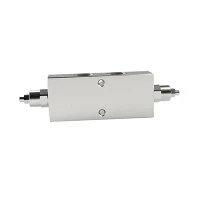
When it comes to hydraulic systems, hydraulic lock valves play a crucial role in ensuring safety and efficiency. As a leading supplier of hydraulic lock valves, I often receive inquiries about the pressure rating of these essential components. In this blog post, I will delve into the details of what the pressure rating of a typical hydraulic lock valve is, why it matters, and how it impacts the performance of hydraulic systems.
Understanding Hydraulic Lock Valves
Before we discuss the pressure rating, let's briefly understand what hydraulic lock valves are and how they function. A hydraulic lock valve is a type of valve that is designed to hold a load in place by preventing the flow of hydraulic fluid in a specific direction. This is particularly important in applications where it is necessary to maintain the position of a hydraulic cylinder or actuator, such as in construction equipment, industrial machinery, and automotive systems.
Hydraulic lock valves typically consist of a valve body, a poppet or spool, and a spring. When the hydraulic system is pressurized, the valve allows fluid to flow in one direction, enabling the cylinder or actuator to move. When the pressure is released, the valve closes, preventing the fluid from flowing back and holding the load in place.
What is Pressure Rating?
The pressure rating of a hydraulic lock valve refers to the maximum pressure that the valve can safely withstand without failing. It is typically expressed in pounds per square inch (psi) or megapascals (MPa). The pressure rating is a critical specification because it determines the valve's suitability for a particular application. If the pressure in the hydraulic system exceeds the valve's pressure rating, it can lead to valve failure, which can result in equipment damage, safety hazards, and costly downtime.
Factors Affecting Pressure Rating
Several factors can affect the pressure rating of a hydraulic lock valve. These include:


- Material and Construction: The materials used in the construction of the valve, such as the valve body, poppet, and seals, can significantly impact its pressure rating. High-quality materials, such as forged steel or stainless steel, are typically used in high-pressure applications to ensure durability and reliability.
- Design and Manufacturing: The design and manufacturing processes of the valve also play a crucial role in determining its pressure rating. Valves that are precision-engineered and manufactured to strict quality standards are more likely to have a higher pressure rating.
- Temperature and Fluid Compatibility: The operating temperature and the type of hydraulic fluid used in the system can also affect the pressure rating of the valve. Extreme temperatures can cause the materials in the valve to expand or contract, which can affect its performance. Additionally, certain hydraulic fluids may be incompatible with the valve materials, leading to corrosion or degradation.
Typical Pressure Ratings
The pressure rating of a typical hydraulic lock valve can vary depending on the application and the specific requirements of the hydraulic system. In general, hydraulic lock valves can have pressure ratings ranging from a few hundred psi to several thousand psi.
For low-pressure applications, such as in small hydraulic systems or light-duty equipment, hydraulic lock valves with pressure ratings of 500 psi to 1,500 psi may be sufficient. These valves are typically used in applications where the loads are relatively small and the operating pressures are low.
For medium-pressure applications, such as in industrial machinery and construction equipment, hydraulic lock valves with pressure ratings of 1,500 psi to 3,000 psi are commonly used. These valves are designed to handle higher loads and pressures, making them suitable for a wide range of applications.
For high-pressure applications, such as in heavy-duty construction equipment, aerospace systems, and oil and gas industries, hydraulic lock valves with pressure ratings of 3,000 psi or higher may be required. These valves are typically made from high-strength materials and are designed to withstand extreme pressures and harsh operating conditions.
Importance of Choosing the Right Pressure Rating
Choosing the right pressure rating for a hydraulic lock valve is essential for ensuring the safety and efficiency of the hydraulic system. If the pressure rating of the valve is too low, it can lead to valve failure, which can result in equipment damage, safety hazards, and costly downtime. On the other hand, if the pressure rating of the valve is too high, it can be overkill and may result in unnecessary costs.
When selecting a hydraulic lock valve, it is important to consider the maximum operating pressure of the hydraulic system, as well as the specific requirements of the application. It is also recommended to consult with a hydraulic system expert or a valve manufacturer to ensure that the valve is properly sized and rated for the application.
Our Hydraulic Lock Valves
As a leading supplier of hydraulic lock valves, we offer a wide range of valves with different pressure ratings to meet the needs of various applications. Our valves are manufactured using high-quality materials and advanced manufacturing processes to ensure durability, reliability, and performance.
In addition to our standard hydraulic lock valves, we also offer custom-designed valves to meet the specific requirements of our customers. Our team of experienced engineers can work with you to design and manufacture a valve that is tailored to your application, ensuring optimal performance and efficiency.
If you are looking for high-quality hydraulic lock valves with the right pressure rating for your application, look no further. We also provide related products such as Electro-hydraulic Swivel For Excavator, Hydraulic Rotary Swivel Yhz System, and Electro-hydraulic Rotary Joint YHZ. Contact us today to discuss your requirements and let us help you find the perfect solution for your hydraulic system.
Conclusion
The pressure rating of a hydraulic lock valve is a critical specification that determines its suitability for a particular application. By understanding the factors that affect the pressure rating and choosing the right valve for your application, you can ensure the safety and efficiency of your hydraulic system. As a trusted supplier of hydraulic lock valves, we are committed to providing our customers with high-quality products and excellent customer service. If you have any questions or need assistance in selecting the right valve for your application, please do not hesitate to contact us. We look forward to working with you.
References
- Fluid Power Handbook, edited by the National Fluid Power Association
- Hydraulic Systems and Components: Design, Installation, and Maintenance, by Peter A. Shearer