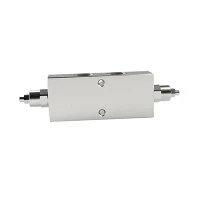
Hey there! As a supplier of truck mounted cranes, I've seen firsthand how crucial it is to set up and use outriggers correctly. Outriggers are like the unsung heroes of a truck mounted crane – they provide the stability and support needed to lift heavy loads safely. In this blog, I'll walk you through the proper way to set up and use outriggers on a truck mounted crane, so you can get the most out of your equipment and keep your jobsite safe.
Why Outriggers Are Important
Before we dive into the setup process, let's talk about why outriggers are so important. When a truck mounted crane is lifting a heavy load, it creates a lot of force and torque. Without proper support, this force can cause the crane to tip over, which can be extremely dangerous for everyone on the jobsite. Outriggers help distribute the weight of the crane and the load evenly, reducing the risk of tipping and ensuring a stable lifting operation.
Setting Up the Outriggers
The first step in setting up the outriggers is to find a level and stable surface. This is crucial because an uneven surface can cause the outriggers to sink or shift, which can compromise the stability of the crane. Use a level to check the surface and make any necessary adjustments before proceeding.
Once you've found a suitable surface, position the truck mounted crane so that the outriggers are in the correct location. Most cranes have markings or indicators to help you align the outriggers properly. Make sure the outriggers are extended fully and locked into place. This will ensure that they provide maximum support and stability.
Next, it's time to lower the outriggers to the ground. Most truck mounted cranes have hydraulic systems that allow you to lower the outriggers easily. Start by extending the outriggers slowly and evenly, making sure they are all at the same height. Use a level to check the outriggers again to ensure they are perfectly horizontal.

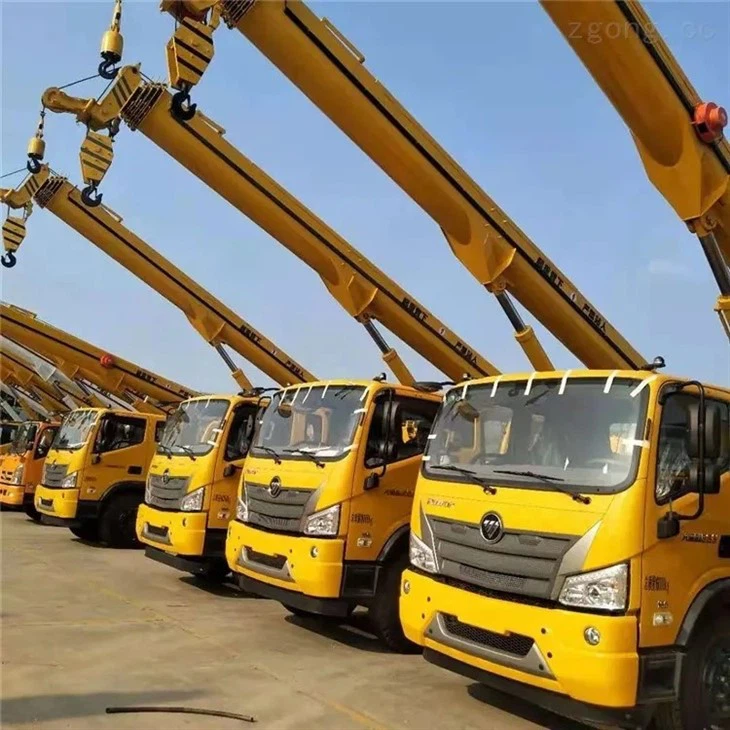
Once the outriggers are on the ground, apply pressure to the pads or feet to ensure they are firmly in contact with the surface. This will help prevent the outriggers from slipping or shifting during the lifting operation. You may need to adjust the pressure on the outriggers to achieve the right balance.
Using the Outriggers
Now that the outriggers are set up, it's time to start using them. Before you start lifting any loads, make sure the crane is properly balanced and the outriggers are providing adequate support. Check the load chart to ensure you are not exceeding the crane's capacity.
When lifting a load, start slowly and gradually increase the speed as the load gets heavier. Keep an eye on the outriggers and the crane's stability at all times. If you notice any signs of instability, such as the crane tilting or the outriggers shifting, stop the lifting operation immediately and make the necessary adjustments.
During the lifting operation, it's important to maintain a safe distance from the load and the crane. Make sure there are no obstacles or people in the way of the crane's movement. Use caution when operating the crane and follow all safety procedures and guidelines.
Maintaining the Outriggers
Proper maintenance of the outriggers is essential to ensure their long-term performance and reliability. Regularly inspect the outriggers for any signs of damage or wear, such as cracks, leaks, or loose bolts. If you notice any issues, have them repaired or replaced immediately.
Keep the outriggers clean and free of debris. This will help prevent corrosion and damage to the components. Lubricate the moving parts of the outriggers regularly to ensure smooth operation.
In addition to regular maintenance, it's also important to follow the manufacturer's recommendations for the use and care of the outriggers. This may include specific guidelines for the maximum load capacity, the frequency of inspections, and the proper storage of the outriggers.
Related Products
As a truck mounted crane supplier, we also offer a range of related products that can enhance the performance and safety of your crane. For example, we have Electro-hydraulic Swivel For Excavator, which provides a reliable and efficient way to transfer hydraulic fluid and electrical signals between the rotating and stationary parts of the crane. We also have Electro-hydraulic Rotary Joint YHZ and Electro-hydraulic Swivel Joint, which offer similar benefits and can help improve the overall functionality of your crane.
Conclusion
Setting up and using outriggers on a truck mounted crane is a critical part of ensuring a safe and successful lifting operation. By following the proper procedures and guidelines, you can minimize the risk of accidents and damage to your equipment. Remember to always prioritize safety and to seek professional help if you have any questions or concerns.
If you're in the market for a truck mounted crane or any of our related products, don't hesitate to contact us. We have a team of experts who can help you find the right equipment for your needs and provide you with the support and guidance you need to get the most out of your investment. Let's work together to make your lifting operations safer and more efficient!
References
- Crane Operator's Manual
- Occupational Safety and Health Administration (OSHA) Guidelines
- Manufacturer's Recommendations for Outrigger Use and Maintenance