

When it comes to aerial work platforms, one of the most critical aspects to consider is their stability, especially when operating on uneven ground. As a trusted supplier of aerial work platforms, I understand the significance of this factor and its impact on the safety and efficiency of operations. In this article, I will delve into the concept of stability on uneven ground, explore the factors that affect it, and discuss the technologies and features we incorporate into our platforms to ensure optimal performance in such challenging conditions.
Understanding the Concept of Stability on Uneven Ground
Stability, in the context of an aerial work platform, refers to the platform's ability to maintain its equilibrium and resist tipping or overturning during operation. On even ground, stability is relatively easier to achieve as the forces acting on the platform are evenly distributed. However, when operating on uneven ground, the situation becomes more complex. The uneven surface can cause the platform's center of gravity to shift, creating uneven forces that may lead to instability.
The center of gravity is a crucial point in determining the stability of an aerial work platform. It is the point where the entire weight of the platform and its load can be considered to be concentrated. When the platform is positioned on uneven ground, the center of gravity may move outside the platform's base of support, which is the area defined by the contact points of the platform's wheels or outriggers with the ground. If the center of gravity moves too far outside the base of support, the platform may tip over.
Factors Affecting Stability on Uneven Ground
Several factors can influence the stability of an aerial work platform on uneven ground. Understanding these factors is essential for operators to make informed decisions and take appropriate precautions to ensure safe operation.
Ground Conditions
The condition of the ground is perhaps the most significant factor affecting stability. Uneven terrain, slopes, soft or slippery surfaces, and holes can all pose challenges to the platform's stability. For example, a steep slope can cause the platform to tilt, increasing the risk of tipping. Soft or muddy ground may not provide adequate support for the platform, causing it to sink or shift. Slippery surfaces, such as ice or wet concrete, can reduce the friction between the wheels or outriggers and the ground, making it easier for the platform to slide.
Load Distribution
The distribution of the load on the platform also plays a crucial role in stability. An unevenly distributed load can shift the center of gravity, increasing the risk of instability. Operators should ensure that the load is evenly distributed across the platform and that it does not exceed the platform's rated capacity. Additionally, it is important to consider the dynamic forces generated by the movement of the load, such as during lifting or lowering operations.
Platform Design and Configuration
The design and configuration of the aerial work platform can significantly impact its stability on uneven ground. Features such as the size and shape of the base, the number and placement of outriggers, and the type of suspension system can all affect the platform's ability to maintain equilibrium. For example, a wider base provides a larger base of support, increasing stability. Outriggers can be extended to increase the platform's stability by providing additional support and distributing the load more evenly. Suspension systems can help to absorb shocks and vibrations, reducing the impact of uneven ground on the platform.

Operator Skills and Training
Finally, the skills and training of the operator are essential for ensuring the stability of an aerial work platform on uneven ground. Operators should be familiar with the platform's operating manual, including its limitations and safety features. They should also be trained in proper load distribution, ground assessment, and operating techniques for uneven terrain. Additionally, operators should be aware of the potential hazards associated with working on uneven ground and take appropriate precautions to minimize the risk of accidents.
Technologies and Features for Enhancing Stability on Uneven Ground
As a leading supplier of aerial work platforms, we are committed to providing our customers with the latest technologies and features to enhance the stability of our platforms on uneven ground. Here are some of the key technologies and features we incorporate into our platforms:
Automatic Leveling Systems
Automatic leveling systems are designed to detect the tilt of the platform and adjust the position of the outriggers or hydraulic cylinders to ensure that the platform remains level. These systems use sensors to measure the angle of the platform and hydraulic actuators to adjust the outriggers or cylinders accordingly. Automatic leveling systems can significantly improve the stability of the platform on uneven ground by quickly and accurately adjusting the platform's position to maintain a level surface.
Load Sensing and Limiting Systems
Load sensing and limiting systems are designed to monitor the load on the platform and prevent it from exceeding the platform's rated capacity. These systems use sensors to measure the weight of the load and the position of the platform and compare it to the platform's rated capacity. If the load exceeds the rated capacity, the system will activate an alarm and may automatically stop the platform's operation to prevent overloading. Load sensing and limiting systems can help to ensure the stability of the platform by preventing excessive loads from shifting the center of gravity and increasing the risk of tipping.
Hydraulic Stabilization Systems
Hydraulic stabilization systems are designed to provide additional support and stability to the platform on uneven ground. These systems use hydraulic cylinders to extend the outriggers or stabilizers, increasing the platform's base of support and distributing the load more evenly. Hydraulic stabilization systems can also be used to adjust the height of the platform to compensate for uneven ground, ensuring that the platform remains level.
Safety Valves and Buffer Valves
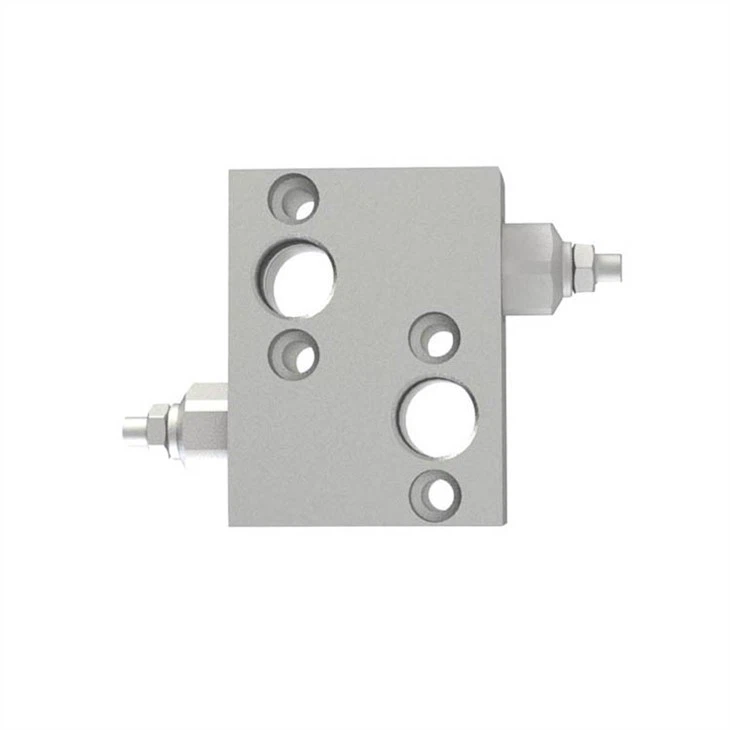
Safety valves and buffer valves are essential components of an aerial work platform's hydraulic system. Safety valves are designed to protect the hydraulic system from overpressure, while buffer valves are used to dampen the shocks and vibrations generated by the movement of the platform. These valves can help to ensure the stability of the platform by preventing sudden changes in pressure or movement that could cause the platform to tip or become unstable. For more information on safety valves and buffer valves, you can visit our website: Hydraulic Pressure Reducing Valve, Orbital Hydraulic Motor Safety Valve, Safety Relief Valve, Buffer Valves, Hydraulic Buffer Valve SHC.
Conclusion
In conclusion, the stability of an aerial work platform on uneven ground is a critical factor that can significantly impact the safety and efficiency of operations. By understanding the concept of stability, the factors that affect it, and the technologies and features available to enhance it, operators can take appropriate precautions to ensure safe operation in challenging conditions. As a trusted supplier of aerial work platforms, we are committed to providing our customers with the highest quality products and the latest technologies to ensure the stability and safety of our platforms on uneven ground.
If you are in the market for an aerial work platform and have questions about stability on uneven ground or any other aspect of our products, please do not hesitate to contact us. Our team of experts is available to provide you with detailed information and guidance to help you make the right choice for your specific needs. We look forward to the opportunity to work with you and help you achieve your aerial work goals safely and efficiently.
References
- American National Standard for Aerial Lifts - ANSI/SIA A92.20.
- European Standard for Mobile Elevating Work Platforms - EN 280.
- Manufacturer's Operating Manuals for Aerial Work Platforms.


