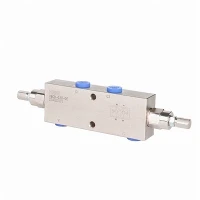
Hey there! As a supplier of Pressure Check Valves, I'm stoked to break down how a pilot-operated pressure check valve works. It's a pretty cool piece of tech, and understanding its mechanics can be super useful, whether you're in the industry or just curious about how things work.
The Basics of a Pilot-Operated Pressure Check Valve
First off, let's talk about what a pressure check valve is in general. A check valve is a one-way valve that allows fluid (usually oil or gas in industrial settings) to flow in one direction and prevents it from flowing back. This is crucial in many systems to maintain pressure, prevent backflow, and ensure the proper functioning of equipment.
A pilot-operated pressure check valve takes this concept a step further. Instead of relying solely on the pressure of the fluid to open and close, it uses a pilot pressure signal. This means it can be more precise and responsive, especially in systems where the pressure conditions are variable.
How It Works: The Components
To understand how a pilot-operated pressure check valve works, we need to know its main components. There are a few key parts that make this valve tick.
- Valve Body: This is the outer shell that houses all the other components. It provides the structure and the connection points for the fluid inlet and outlet.
- Poppet or Spool: This is the movable part that controls the flow of fluid. When the valve is open, the poppet or spool allows fluid to pass through. When it's closed, it blocks the flow.
- Pilot Chamber: This is where the magic happens. The pilot chamber is connected to a separate pressure source, which provides the pilot pressure. The pilot pressure acts on a piston or diaphragm in the chamber, which in turn affects the position of the poppet or spool.
- Spring: The spring is used to provide a pre-set force on the poppet or spool. This force determines the cracking pressure, which is the pressure at which the valve starts to open.
The Working Principle
So, how does all this come together to make the valve work? Let's break it down step by step.
1. Normal Operation (Closed Position)
When there's no pilot pressure or when the pilot pressure is below a certain threshold, the spring holds the poppet or spool in the closed position. This means that the fluid can't flow from the inlet to the outlet. The valve acts as a regular check valve, preventing backflow.
2. Pilot Pressure Application
When the pilot pressure is applied and reaches a sufficient level, it overcomes the force of the spring. This causes the piston or diaphragm in the pilot chamber to move, which then pushes the poppet or spool open. Once the poppet or spool is open, fluid can flow freely from the inlet to the outlet.
3. Pressure Regulation
One of the great things about a pilot-operated pressure check valve is its ability to regulate pressure. The pilot pressure can be adjusted to control the opening and closing of the valve. This allows the valve to maintain a specific pressure level in the system, even when the flow rate or other conditions change.


Examples of Applications
Pilot-operated pressure check valves are used in a wide range of industries and applications. Here are a few examples:
- Hydraulic Systems: In hydraulic systems, these valves are used to control the flow and pressure of hydraulic fluid. They can be found in construction equipment, such as excavators and bulldozers, as well as in industrial machinery. For instance, check out our Two-Way Hydraulic Control Valve Counterbalance Valve Factory, where you can find high-quality valves for hydraulic applications.
- Oil and Gas Industry: In the oil and gas industry, pilot-operated pressure check valves are used to control the flow of oil and gas in pipelines and processing equipment. They help to prevent backflow and maintain the integrity of the system. Our Overcenter Balance Valve Hydraulic Valve For Hydraulic System is a great option for these types of applications.
- Chemical Processing: In chemical processing plants, these valves are used to control the flow of chemicals and maintain the proper pressure in the system. They are essential for ensuring the safety and efficiency of the process. Check out our Two Way Hydraulic Counterbalance Valve Control Valve Factory for valves suitable for chemical processing.
Advantages of Pilot-Operated Pressure Check Valves
There are several advantages to using pilot-operated pressure check valves:
- Precise Control: As mentioned earlier, these valves can provide precise control over the flow and pressure of fluid. This is especially important in applications where accuracy is crucial.
- Responsive: They can respond quickly to changes in pressure conditions, which helps to maintain the stability of the system.
- Flexibility: The pilot pressure can be adjusted to suit different operating conditions, making these valves very flexible.
Summary
In conclusion, a pilot-operated pressure check valve is a versatile and important component in many industrial systems. By using a pilot pressure signal, it can provide precise control over the flow of fluid and prevent backflow. Whether you're in the hydraulic, oil and gas, or chemical processing industry, these valves can play a crucial role in ensuring the proper functioning of your equipment.
If you're in the market for high-quality Pressure Check Valves, we've got you covered. Check out our Hydraulic Control Valve Counterbalance Safety Valve For Hydraulic System and Hot Sale Hydraulic Control Valve Balance Valve For Mini Excavator. If you have any questions or want to discuss your specific needs, don't hesitate to reach out. We're here to help you find the perfect valve for your application. Let's start a conversation and see how we can work together!
References
- Fluid Power Handbook
- Industrial Valves: Principles and Applications by John Doe