As a seasoned supplier of hydraulic components, I've witnessed firsthand the critical role that flow rate optimization plays in the performance of hydraulic systems. Whether you're in the construction, manufacturing, or agricultural sectors, achieving the right flow rate can significantly enhance efficiency, reduce energy consumption, and extend the lifespan of your equipment. In this blog post, I'll share some practical tips on how to optimize the flow rate in a hydraulic system, drawing on my years of experience and expertise in the field.
Understanding the Basics of Flow Rate in Hydraulic Systems
Before diving into the optimization strategies, it's essential to understand what flow rate is and how it affects the performance of a hydraulic system. Flow rate refers to the volume of fluid that passes through a given point in the system per unit of time, typically measured in liters per minute (L/min) or gallons per minute (GPM). In a hydraulic system, the flow rate determines the speed at which actuators, such as cylinders and motors, operate. A higher flow rate generally results in faster actuator movement, while a lower flow rate leads to slower movement.
The flow rate in a hydraulic system is influenced by several factors, including the pump capacity, the size and length of the hydraulic lines, the type and size of the valves, and the load on the system. By carefully considering these factors and making appropriate adjustments, you can optimize the flow rate to meet the specific requirements of your application.
Selecting the Right Pump
The pump is the heart of a hydraulic system, responsible for generating the flow and pressure needed to operate the actuators. Selecting the right pump is crucial for optimizing the flow rate. When choosing a pump, you need to consider the required flow rate, pressure, and power consumption.


For applications that require a high flow rate, such as large construction equipment or industrial machinery, a high-capacity pump may be necessary. On the other hand, for applications with lower flow rate requirements, such as small agricultural equipment or mobile hydraulic systems, a smaller pump may be sufficient. It's also important to choose a pump that is compatible with the type of hydraulic fluid used in the system.
Sizing the Hydraulic Lines
The size and length of the hydraulic lines can have a significant impact on the flow rate. Hydraulic lines that are too small or too long can cause excessive pressure drop, which reduces the flow rate and increases energy consumption. To optimize the flow rate, it's important to size the hydraulic lines correctly based on the required flow rate and pressure.
As a general rule, the diameter of the hydraulic lines should be large enough to minimize pressure drop while still fitting within the available space. The length of the lines should also be kept as short as possible to reduce friction losses. Additionally, using smooth-bore hydraulic lines can help to reduce turbulence and improve the flow rate.
Choosing the Right Valves
Valves play a crucial role in controlling the flow rate in a hydraulic system. There are several types of valves available, including directional control valves, flow control valves, and pressure control valves. Each type of valve has a specific function and can be used to optimize the flow rate in different ways.
Directional control valves are used to control the direction of fluid flow in the system. By selecting the right directional control valve, you can ensure that the fluid flows to the correct actuator at the right time. Flow control valves, on the other hand, are used to regulate the flow rate of the fluid. These valves can be adjusted to increase or decrease the flow rate as needed. Pressure control valves are used to maintain a constant pressure in the system, which can help to prevent damage to the components and ensure consistent performance.
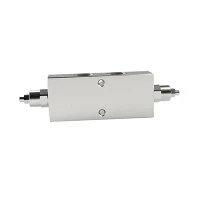
When choosing valves for your hydraulic system, it's important to consider the required flow rate, pressure, and operating conditions. You may also want to consider using valves with built-in flow control features, such as the P40 /P80 /P120 Series Monoblock Valves. These valves are designed to provide precise flow control and are suitable for a wide range of applications.
Monitoring and Adjusting the System
Once you've selected the right pump, sized the hydraulic lines, and chosen the appropriate valves, it's important to monitor the performance of the hydraulic system regularly. This can help you to identify any issues or inefficiencies and make the necessary adjustments to optimize the flow rate.
One way to monitor the flow rate is to use a flow meter. A flow meter measures the volume of fluid passing through a specific point in the system and provides a real-time reading of the flow rate. By comparing the measured flow rate with the required flow rate, you can determine if any adjustments are needed.
In addition to monitoring the flow rate, you should also monitor the pressure, temperature, and other operating parameters of the hydraulic system. Changes in these parameters can indicate potential problems or inefficiencies in the system. By addressing these issues promptly, you can prevent damage to the components and ensure optimal performance.
Conclusion
Optimizing the flow rate in a hydraulic system is essential for achieving maximum efficiency, performance, and reliability. By understanding the basics of flow rate, selecting the right pump, sizing the hydraulic lines correctly, choosing the appropriate valves, and monitoring and adjusting the system regularly, you can ensure that your hydraulic system operates at its best.
If you're looking for high-quality hydraulic components to optimize the flow rate in your system, look no further. As a leading supplier of hydraulic components, we offer a wide range of products, including the P40 Hydraulic Multi-way Valve 40L/min and P40 Series Monoblock Directional Control Valves Hydraulic Multiway Valve. Our products are designed to meet the highest standards of quality and performance, and we're committed to providing our customers with the best possible service and support.
If you have any questions or would like to discuss your specific requirements, please don't hesitate to contact us. We're here to help you optimize the flow rate in your hydraulic system and achieve your goals.
References
- Hydraulic Systems and Components: Design, Installation, and Maintenance. By Peter C. Dorrell.
- Fluid Power with Applications. By Anthony Esposito.
- Hydraulic Engineering. By Ven Te Chow.