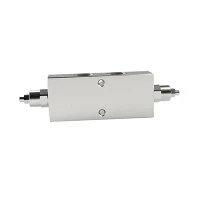
Hey there! As a supplier of hydraulic hoists, I've seen firsthand how crucial it is to optimize their use, especially in limited spaces. It can be a real challenge, but with the right strategies and tools, you can make the most of your hydraulic hoist, even when space is tight. In this blog post, I'll share some tips and tricks to help you do just that.
Understanding the Basics
First things first, let's talk about what a hydraulic hoist is and how it works. A hydraulic hoist is a mechanical device that uses hydraulic power to lift and lower heavy objects. It typically consists of a hydraulic cylinder, a pump, and a control valve. When the pump is activated, it forces hydraulic fluid into the cylinder, which causes the piston to move and lift the load.
The advantage of a hydraulic hoist is that it can generate a large amount of force with relatively little effort. This makes it ideal for lifting heavy objects in industrial settings, construction sites, and even in automotive repair shops. However, in a limited space, using a hydraulic hoist can be tricky. You need to consider factors such as the size and weight of the load, the available space for maneuvering, and the accessibility of the hoist.
Choosing the Right Hydraulic Hoist
The first step in optimizing the use of a hydraulic hoist in a limited space is to choose the right one for your needs. There are several types of hydraulic hoists available, each with its own features and capabilities. Here are some things to consider when choosing a hydraulic hoist:
- Size and Capacity: Make sure the hoist is the right size and capacity for the load you need to lift. A hoist that is too small won't be able to handle the weight, while a hoist that is too large may be difficult to maneuver in a limited space.
- Portability: If you need to move the hoist around frequently, look for a portable model. Some hydraulic hoists come with wheels or casters, making them easy to transport.
- Maneuverability: Consider the design of the hoist and how easy it is to maneuver in tight spaces. Look for a hoist with a compact design and a small turning radius.
- Safety Features: Safety should always be a top priority when using a hydraulic hoist. Look for a hoist with features such as overload protection, emergency stop buttons, and safety locks.
Planning Your Space
Once you've chosen the right hydraulic hoist, the next step is to plan your space. This involves measuring the available space and determining the best location for the hoist. Here are some tips to help you plan your space:
- Clear the Area: Remove any obstacles or clutter from the area where you plan to use the hoist. This will give you more space to maneuver and reduce the risk of accidents.
- Mark the Location: Use tape or chalk to mark the location where you plan to set up the hoist. This will help you ensure that the hoist is positioned correctly and that there is enough space for the load to be lifted.
- Consider the Height: Make sure there is enough height clearance for the hoist to lift the load. Measure the height of the load and the maximum lifting height of the hoist to ensure that there is enough headroom.
- Check Accessibility: Consider how easy it will be to access the hoist and the load. Make sure there are no obstacles or barriers that could prevent you from reaching the hoist or the load.
Using the Right Accessories
In addition to choosing the right hydraulic hoist and planning your space, using the right accessories can also help you optimize the use of your hoist in a limited space. Here are some accessories that can be useful:
- Extension Beams: Extension beams can be used to increase the reach of the hoist. This can be especially useful in a limited space where you need to lift the load from a distance.
- Swivel Hooks: Swivel hooks allow the load to rotate freely, making it easier to position the load in the right place. This can be useful in a limited space where you need to maneuver the load into a tight spot.
- Leveling Jacks: Leveling jacks can be used to ensure that the hoist is level and stable. This is important for safety and can also help prevent damage to the hoist and the load.
- Electro - hydraulic Swivel: An electro - hydraulic swivel can provide a flexible connection for hydraulic and electrical systems, allowing for smooth movement and rotation in tight spaces.
Training and Safety
Finally, it's important to ensure that anyone who uses the hydraulic hoist is properly trained and aware of the safety procedures. Here are some tips for training and safety:
- Provide Training: Make sure all operators are trained on how to use the hydraulic hoist safely and correctly. This includes training on how to operate the controls, how to lift and lower the load, and how to perform maintenance and inspections.
- Follow Safety Procedures: Establish and enforce safety procedures for using the hydraulic hoist. This includes wearing appropriate safety gear, such as hard hats, safety glasses, and gloves, and following the manufacturer's instructions for use.
- Perform Regular Inspections: Regularly inspect the hydraulic hoist for any signs of damage or wear. This includes checking the hydraulic hoses, the pump, the cylinder, and the control valve.
- Use Warning Signs: Place warning signs in the area where the hydraulic hoist is being used to alert others to the potential danger.
Additional Equipment for Space Optimization
Sometimes, the standard setup of a hydraulic hoist may need a bit of enhancement to fit perfectly in a limited space. There are some other nifty pieces of equipment that can come in handy.


- Hydraulic Rotary Swivel Yhz System: This system allows for smooth rotation of the hoist, which can be a game - changer in tight spaces. It enables the hoist to reach different angles without having to reposition the entire unit, saving a ton of space and time.
- Electro - hydraulic Rotary Joint YHZ: This joint is designed to provide hydraulic and electrical connections that can withstand rotation. It's great for those situations where the hoist needs to rotate continuously while still maintaining power and fluid flow, all in a confined area.
Conclusion
Optimizing the use of a hydraulic hoist in a limited space is definitely doable. By choosing the right hoist, planning your space, using the right accessories, and ensuring proper training and safety, you can make your hydraulic hoist work efficiently even in the tightest of spots.
If you're in the market for a hydraulic hoist or any of the accessories we've discussed in this post, don't hesitate to reach out. We're here to help you find the perfect solution for your space and lifting needs. Whether you have questions about a specific product, need advice on setup, or are ready to make a purchase, we're just a message away. Let's start a conversation about how we can get your limited - space lifting challenges sorted!
References
- Grainger, "Hydraulic Hoist Basics."
- Modern Materials Handling, "Optimizing Equipment Use in Small Spaces."
- Hoist Manufacturer's Manuals and Documentation.