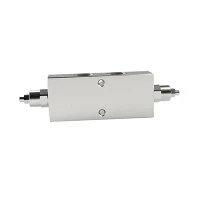
As a supplier of hydraulic components, I've witnessed firsthand the critical role hydraulic accumulators play in various hydraulic systems. These devices store hydraulic energy in the form of pressurized fluid, which can be released when needed to supplement the flow from the pump, absorb shock, or maintain system pressure. However, like any mechanical component, hydraulic accumulators are prone to several common failures that can disrupt system operation. In this blog post, I'll discuss these common failures and provide insights on how to repair them.
Common Failures of Hydraulic Accumulators
Gas Leakage
One of the most prevalent issues with hydraulic accumulators is gas leakage. Most hydraulic accumulators use a gas (usually nitrogen) to compress the hydraulic fluid. Over time, the gas can leak through seals, valves, or the accumulator shell itself. Gas leakage can lead to a decrease in system pressure, reduced energy storage capacity, and erratic system behavior.
The causes of gas leakage can vary. Worn or damaged seals are a common culprit, as they can no longer provide an airtight seal between the gas and fluid chambers. Corrosion or damage to the accumulator shell can also create small holes or cracks through which the gas can escape. Additionally, improper installation or maintenance, such as over - tightening or under - tightening of fittings, can cause seal failure and gas leakage.
Fluid Contamination
Fluid contamination is another significant problem in hydraulic accumulators. Contaminants such as dirt, metal particles, and water can enter the hydraulic system and accumulate in the accumulator. These contaminants can cause wear and tear on internal components, such as pistons, valves, and seals. They can also lead to corrosion of the accumulator shell and other metal parts.
Fluid contamination can occur during system installation, operation, or maintenance. For example, if the hydraulic fluid is not properly filtered, contaminants can enter the system and accumulate in the accumulator. External sources, such as environmental dust and moisture, can also find their way into the system through damaged seals or improper venting.
Piston or Bladder Failure
In piston - type and bladder - type accumulators, the piston or bladder is a critical component. The piston or bladder separates the gas and fluid chambers and allows for the compression and expansion of the gas. Over time, these components can fail due to wear, fatigue, or damage.
Piston failure can be caused by excessive wear on the piston seals, which can lead to fluid leakage between the chambers. In some cases, the piston can become stuck or jammed, preventing the proper operation of the accumulator. Bladder failure, on the other hand, can occur due to punctures, tears, or degradation of the bladder material. This can result in gas and fluid mixing, which can damage the accumulator and other components in the hydraulic system.
Valve Malfunction
Hydraulic accumulators are equipped with various valves, such as charging valves, safety valves, and check valves. These valves are essential for controlling the flow of gas and fluid in and out of the accumulator. Valve malfunction can occur due to several reasons, including dirt and debris buildup, wear and tear, or improper adjustment.


A malfunctioning charging valve may not allow the accumulator to be properly charged with gas, while a faulty safety valve may not open or close at the correct pressure, posing a safety risk. Check valves that do not function correctly can cause backflow of fluid, leading to reduced system efficiency and potential damage to the accumulator.
Repairing Hydraulic Accumulators
Addressing Gas Leakage
To repair gas leakage, the first step is to identify the source of the leak. This can be done by performing a pressure test and visually inspecting the accumulator for signs of damage or wear. If the leak is due to a worn or damaged seal, the seal should be replaced. It's important to use high - quality seals that are compatible with the accumulator and the hydraulic fluid.
If the leakage is caused by a crack or hole in the accumulator shell, the repair process will depend on the severity of the damage. Minor cracks can sometimes be repaired using specialized welding or patching techniques. However, if the damage is extensive, it may be necessary to replace the entire accumulator.
Dealing with Fluid Contamination
To address fluid contamination, the hydraulic fluid in the accumulator and the entire system should be drained and replaced. Before refilling the system, the accumulator should be thoroughly cleaned to remove any contaminants. This can be done using a suitable cleaning solution and a high - pressure flushing system.
It's also important to install or replace the hydraulic filters to prevent future contamination. Regular fluid analysis should be performed to monitor the cleanliness of the hydraulic fluid and detect any signs of contamination early.
Fixing Piston or Bladder Failure
If the piston or bladder in the accumulator has failed, it will need to be replaced. When replacing these components, it's crucial to follow the manufacturer's instructions carefully. The new piston or bladder should be installed correctly to ensure proper sealing and operation.
Before installing the new component, the accumulator should be inspected for any other signs of damage or wear. For example, if the piston has failed due to excessive wear on the seals, the cylinder walls should also be checked for damage. If necessary, the cylinder walls can be honed or re - machined to ensure a proper fit for the new piston.
Resolving Valve Malfunction
To repair valve malfunction, the valves should be disassembled and inspected for dirt, debris, and wear. The valves can be cleaned using a suitable cleaning solution and a soft brush. Any damaged or worn parts, such as springs or seats, should be replaced.
After cleaning and replacing the necessary parts, the valves should be reassembled and adjusted according to the manufacturer's specifications. A pressure test should be performed to ensure that the valves are functioning correctly and that the accumulator is operating within the specified pressure range.
Our Hydraulic Components for Your Needs
At our company, we understand the importance of high - quality hydraulic components in ensuring the reliable operation of hydraulic systems. We offer a wide range of hydraulic components, including P40 Series Monoblock Directional Control Valves Hydraulic Multiway Valve, P40 /P80 /P120 Series Monoblock Valves, and P40 Hydraulic Multi - way Valve 40L/min. These components are designed to meet the highest standards of quality and performance, and they can be used in conjunction with hydraulic accumulators to optimize system operation.
If you're experiencing problems with your hydraulic accumulators or are in need of high - quality hydraulic components, we encourage you to contact us for procurement and further discussion. Our team of experts is ready to assist you in finding the right solutions for your hydraulic system needs.
References
- Bosch Rexroth Hydraulic Systems Handbook
- Parker Hannifin Hydraulic Accumulator Manual
- Eaton Hydraulics Technical Guide