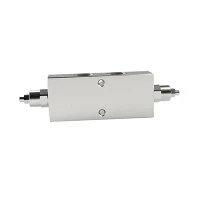
Pilot check valves are crucial components in hydraulic systems, ensuring the proper flow and control of hydraulic fluid. As a leading supplier of pilot check valves, we understand the importance of regular maintenance to keep these valves functioning optimally. In this blog post, we'll delve into the maintenance intervals for pilot check valves, providing you with valuable insights to help you maintain your hydraulic systems effectively.


Understanding Pilot Check Valves
Before we discuss maintenance intervals, let's briefly understand what pilot check valves are and how they work. A pilot check valve is a type of directional control valve that allows fluid to flow freely in one direction while preventing backflow in the opposite direction. It uses a pilot pressure to open the valve and allow flow in the reverse direction when needed. These valves are commonly used in hydraulic systems to hold loads, prevent free fall, and control the flow of fluid in various applications.
Factors Affecting Maintenance Intervals
The maintenance intervals for pilot check valves can vary depending on several factors. Here are some key factors that influence how often you should perform maintenance on your pilot check valves:
Operating Conditions
The operating conditions of the hydraulic system play a significant role in determining the maintenance intervals. If the system operates in harsh environments, such as high temperatures, high pressures, or dirty conditions, the valves are likely to experience more wear and tear. In such cases, more frequent maintenance may be required to ensure the valves' reliability.
Fluid Quality
The quality of the hydraulic fluid used in the system is another important factor. Contaminated or degraded fluid can cause damage to the valve components, leading to premature failure. Regularly monitoring and maintaining the fluid quality, including changing the fluid at recommended intervals, can help extend the life of the pilot check valves.
Valve Usage
The frequency and intensity of valve usage also impact the maintenance intervals. Valves that are used frequently or under heavy loads are more likely to wear out faster than those used less often. Understanding the usage patterns of your pilot check valves can help you determine the appropriate maintenance schedule.
Recommended Maintenance Intervals
Based on industry standards and our experience as a pilot check valve supplier, we recommend the following maintenance intervals:
Visual Inspection
A visual inspection of the pilot check valves should be performed regularly, at least once a month. During the inspection, check for any signs of leakage, damage, or corrosion on the valve body, connections, and seals. Look for loose fittings or any abnormal wear on the valve components. If any issues are detected, they should be addressed immediately to prevent further damage.
Function Testing
Function testing of the pilot check valves should be carried out every three to six months, depending on the operating conditions and usage. This involves checking the valve's ability to open and close properly and to prevent backflow. Use appropriate testing equipment to measure the pilot pressure required to open the valve and to ensure that the valve operates within the specified parameters. If the valve fails the function test, it may need to be repaired or replaced.
Fluid Analysis
Regular fluid analysis is essential to monitor the condition of the hydraulic fluid and to detect any contaminants or degradation. Fluid analysis should be performed every six to twelve months, depending on the system's operating conditions. The analysis can help identify potential issues with the fluid, such as high levels of particulate matter, water contamination, or changes in viscosity. Based on the analysis results, appropriate actions can be taken, such as changing the fluid or adding additives to improve its performance.
Seal Replacement
The seals in the pilot check valves are critical for preventing leakage and ensuring proper valve operation. Seal replacement should be considered every one to two years, depending on the operating conditions and usage. Over time, the seals can wear out or become damaged, leading to leakage and reduced valve performance. Replacing the seals at regular intervals can help maintain the integrity of the valve and prevent costly repairs.
Importance of Regular Maintenance
Regular maintenance of pilot check valves offers several benefits, including:
Improved Reliability
By performing regular maintenance, you can identify and address potential issues before they lead to valve failure. This helps ensure the reliable operation of the hydraulic system, reducing the risk of downtime and costly repairs.
Extended Valve Life
Proper maintenance can help extend the life of the pilot check valves, reducing the need for frequent replacements. This can result in significant cost savings over the long term.
Enhanced System Performance
Well-maintained pilot check valves contribute to the overall performance of the hydraulic system. They ensure the proper flow and control of hydraulic fluid, improving the efficiency and productivity of the system.
Safety
Pilot check valves play a crucial role in the safety of hydraulic systems. Regular maintenance helps ensure that the valves are functioning correctly, preventing potential safety hazards such as unexpected load drops or uncontrolled fluid flow.
Our Product Range
As a leading supplier of pilot check valves, we offer a wide range of high-quality products to meet the diverse needs of our customers. Our product range includes Orbital Hydraulic Motor Safety Valve, Hydraulic Buffer Valve SHC, and Buffer Valves. These valves are designed and manufactured to the highest standards, ensuring reliable performance and long service life.
Contact Us for Procurement
If you're in the market for pilot check valves or need more information about our products and maintenance services, we'd love to hear from you. Our team of experts is available to assist you with your procurement needs and to provide you with the best solutions for your hydraulic systems. Contact us today to start a discussion about your requirements and to explore how our pilot check valves can enhance the performance and reliability of your equipment.
References
- Hydraulic Systems Handbook, Third Edition, by E. O. Doebelin
- Fluid Power Engineering, by Anthony Esposito
- Maintenance and Troubleshooting of Hydraulic Systems, by Robert Sheaf