Hey there! I'm a supplier of truck mounted cranes, and I often get asked about one crucial aspect: the fuel consumption of these machines. So, let's dive right into it.
First off, it's important to understand that the fuel consumption of a truck mounted crane isn't a one - size - fits - all number. There are several factors that can have a big impact on how much fuel it guzzles.
Factors Affecting Fuel Consumption
1. Crane Load
One of the most obvious factors is the load that the crane is carrying. If you're hoisting a heavy load, the crane's hydraulic system has to work harder. This means more power is required, and guess what? More power means more fuel. For instance, if you're moving a small, lightweight piece of equipment, the fuel consumption will be relatively low. But if you're dealing with a large, bulky item like a steel beam or a heavy generator, the engine has to pump out more energy to lift and move it. This increased demand on the engine leads to higher fuel usage.
2. Operating Conditions
The environment in which the truck mounted crane operates also plays a huge role. If you're working on a flat, smooth surface, the crane and the truck can operate more efficiently, which helps keep fuel consumption down. However, if you're working on a rough, uneven terrain or in an area with a lot of obstacles, the crane may have to make frequent starts, stops, and adjustments. This kind of stop - and - go operation is a real fuel - burner. Also, extreme weather conditions can affect fuel consumption. In cold weather, the engine has to work harder to warm up and maintain its operating temperature, which means more fuel is burned.
3. Engine Size and Type
The engine is the heart of the truck mounted crane, and its size and type matter a great deal. A larger engine generally has more power, but it also consumes more fuel. Diesel engines, which are commonly used in truck mounted cranes, tend to be more fuel - efficient than gasoline engines, especially when it comes to heavy - duty operations. However, new gasoline engines with advanced technologies are narrowing the gap.
4. Crane Design and Technology
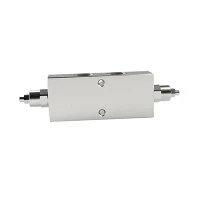
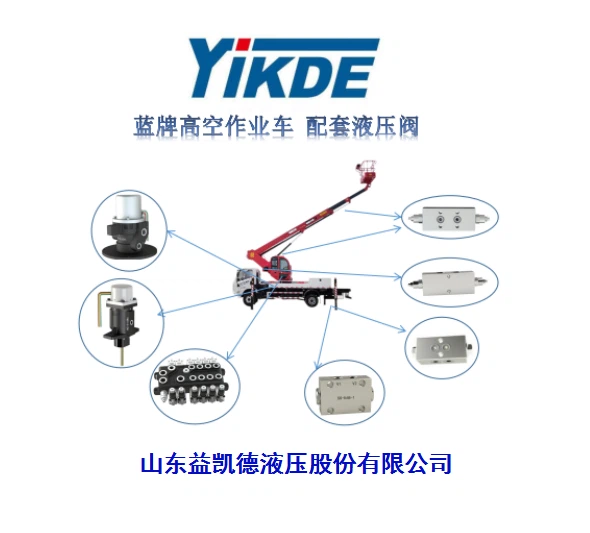
Modern truck mounted cranes are designed with fuel efficiency in mind. Some cranes are equipped with advanced hydraulic systems that can optimize power usage. For example, the Hydraulic Rotary Swivel Yhz System allows for smooth rotation without excessive power waste. Another great technology is the Electro - hydraulic Swivel, which can precisely control the flow of hydraulic fluid, reducing unnecessary power consumption. Additionally, the Electro - hydraulic Rotary Joint YHZ helps in efficient power transfer, resulting in better fuel efficiency.
How to Measure Fuel Consumption
To figure out how much fuel your truck mounted crane is using, you can use a few different methods. The simplest way is to keep track of the fuel you put into the tank and the distance or the number of hours the crane has been operating. For example, if you fill up the tank with 100 liters of fuel and then operate the crane for 10 hours before refilling, you can calculate the average fuel consumption per hour.
However, for a more accurate measurement, you can use onboard sensors and monitoring systems. These systems can provide real - time data on fuel consumption, engine performance, and other important metrics. This data can help you identify any inefficiencies in the operation and make adjustments accordingly.
Tips to Reduce Fuel Consumption
Here are some practical tips to help you cut down on fuel costs when using a truck mounted crane:
1. Proper Maintenance
Regular maintenance is key. Make sure the engine is properly tuned, the hydraulic system is leak - free, and the tires are inflated to the correct pressure. A well - maintained crane runs more efficiently and uses less fuel.
2. Optimal Loading
Try to load the crane as evenly as possible. Uneven loading can cause the crane to work harder, leading to increased fuel consumption. Also, avoid overloading the crane, as this puts unnecessary stress on the engine and hydraulic system.
3. Efficient Operation
Train your operators to use the crane efficiently. This includes avoiding unnecessary idling, making smooth starts and stops, and using the crane's features to their fullest potential. For example, using the crane's automatic shutdown feature when it's not in use for a while can save a significant amount of fuel.
Real - World Examples
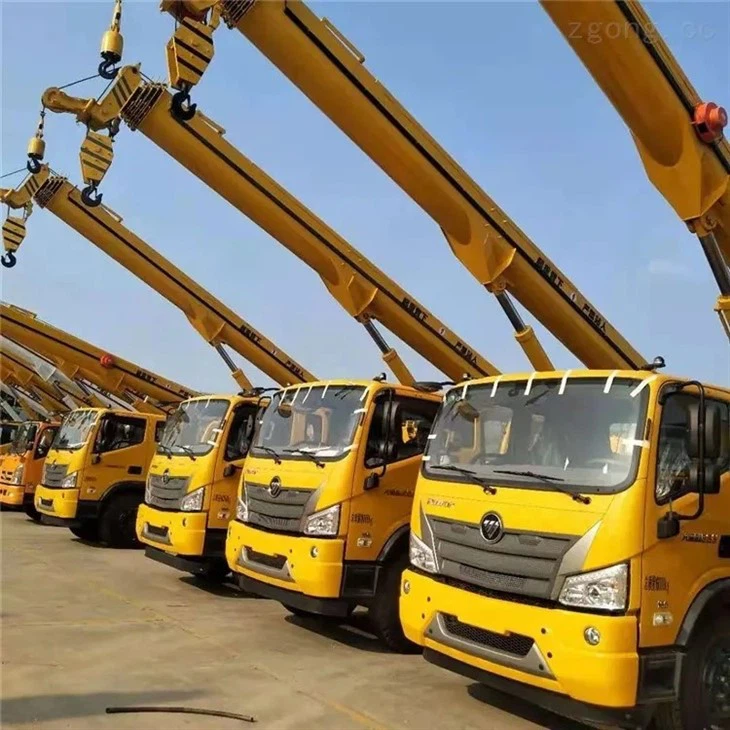
Let's take a look at some real - world scenarios. Suppose you have a small - to - medium - sized truck mounted crane with a diesel engine. Under normal operating conditions, such as lifting light to medium loads on a flat surface and operating for about 6 hours a day, the fuel consumption might be around 10 - 15 liters per hour.
On the other hand, if you're using a large - scale truck mounted crane for heavy - duty operations, such as construction projects where it's constantly lifting large and heavy objects, the fuel consumption could jump to 20 - 30 liters per hour.
Conclusion
So, as you can see, the fuel consumption of a truck mounted crane depends on a variety of factors. By understanding these factors, implementing fuel - saving measures, and using the latest technologies, you can keep your fuel costs under control.
If you're in the market for a truck mounted crane or want to learn more about how our products can help you optimize fuel consumption, don't hesitate to reach out. We're here to answer all your questions and assist you in finding the perfect crane for your needs. Let's start a conversation and see how we can work together to make your operations more efficient and cost - effective.
References
- General knowledge about truck mounted cranes from industry experience.
- Data on fuel - efficient technologies in truck mounted cranes from industry research.