A rotary grapple is an essential piece of equipment in various industries, such as forestry, waste management, and construction. It is a versatile tool that can handle a wide range of materials, from logs and stones to scrap metal and waste. At the heart of a rotary grapple's functionality lies its hydraulic system configuration. In this blog post, I'll share my insights as a rotary grapple supplier about the hydraulic system configuration of a rotary grapple.
Basic Components of a Rotary Grapple Hydraulic System
The hydraulic system of a rotary grapple is a complex network of components that work in harmony to provide the necessary power and control for the grapple to operate effectively. The main components typically include a hydraulic pump, control valves, hydraulic cylinders, and hoses.
The hydraulic pump is the power source of the system. It draws hydraulic fluid from a reservoir and pressurizes it, creating the force needed to drive the cylinders and other hydraulic components. The pump is usually driven by the power take - off (PTO) of the host machine, such as an excavator or a loader.
Control valves are used to direct the flow of hydraulic fluid within the system. They determine when and how much fluid is sent to each component, allowing for precise control of the grapple's movement. There are different types of control valves, including directional control valves, pressure control valves, and flow control valves. For example, a directional control valve can change the direction of the fluid flow, enabling the grapple to open and close, or rotate.
Hydraulic cylinders are the actuators of the system. They convert the hydraulic pressure into linear motion, which is then used to operate the grapple's jaws or to rotate the grapple. The number and size of the cylinders depend on the design and capacity of the rotary grapple.
Hoses are used to connect all the components in the hydraulic system. They must be able to withstand high pressures and are designed to be flexible enough to allow for the movement of the grapple.


Specific Components in Detail
Hydraulic Pilot Operated Check Valve
A Hydraulic pilot operated check valve is a crucial component in the hydraulic system of a rotary grapple. Its main function is to prevent the reverse flow of hydraulic fluid, which is vital for maintaining the position of the grapple's jaws or other moving parts. When the pressure on one side of the valve is higher than the other, the valve allows fluid to flow freely. However, when the pressure gradient is reversed, the valve closes, preventing back - flow.
In a rotary grapple, this valve is often used in the circuits that control the grapple's opening and closing. It ensures that once the grapple has grabbed a load, the hydraulic pressure is maintained, preventing the jaws from accidentally opening and dropping the load. This enhances the safety and reliability of the grapple during operation.
Hydraulic Lock YIKAIDE
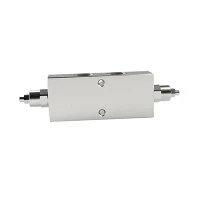
The Hydraulic Lock YIKAIDE is another important part of the rotary grapple's hydraulic system. It provides an additional level of safety and control. A hydraulic lock is essentially a pair of check valves that are pilot - operated in opposite directions.
When the grapple is in a holding position, the hydraulic lock prevents the flow of fluid out of the cylinder, locking the grapple in place. This is particularly useful when the grapple is carrying a heavy load at a certain height or in a specific orientation. In case of a sudden loss of hydraulic pressure, the hydraulic lock still holds the grapple, preventing any dangerous movement.
Hydraulic System Configuration for Rotary Movement
One of the key features of a rotary grapple is its ability to rotate. To achieve this, a dedicated hydraulic circuit is required. This circuit typically includes a hydraulic motor that is connected to the grapple's rotation mechanism.
The hydraulic motor operates in a similar way to a hydraulic cylinder, but instead of linear motion, it produces rotational motion. The motor is powered by the hydraulic fluid from the pump, and its speed and direction of rotation can be controlled by the control valves.
The hydraulic system for the rotary movement also needs to be designed to handle the torque requirements of the grapple. The size and power of the hydraulic motor are selected based on the weight and size of the grapple, as well as the type of materials it is expected to handle.
Hydraulic System Configuration for Grabbing and Holding
For the grabbing and holding function of the rotary grapple, the hydraulic system is designed to provide sufficient force to grip the load securely. The hydraulic cylinders that control the opening and closing of the grapple's jaws are carefully sized to generate the required clamping force.
Pressure control valves are used in this part of the system to ensure that the pressure in the cylinders does not exceed safe limits. This protects the components of the grapple from damage and also prevents over - gripping of the load, which could cause damage to the materials being handled.
Flow control valves are also important in the gripping circuit. They regulate the speed at which the grapple opens and closes. This allows the operator to have precise control over the grapple's movement, which is especially important when dealing with delicate or irregularly shaped objects.
Advantages of a Well - Designed Hydraulic System
A properly configured hydraulic system in a rotary grapple offers several advantages. Firstly, it provides high power density. Hydraulic systems can generate a large amount of force with relatively small components, which is essential for a compact and efficient rotary grapple design.
Secondly, it offers excellent control. The use of various control valves allows for precise adjustment of the grapple's movement, including speed, force, and direction. This enables operators to perform tasks with high accuracy, whether it's picking up a single log or sorting through a pile of scrap metal.
Thirdly, hydraulic systems are reliable. They can operate in harsh environments, such as extreme temperatures and dusty conditions. The components are designed to be durable and resistant to wear and tear, ensuring a long service life for the rotary grapple.
Maintenance and Considerations
To ensure the optimal performance of the hydraulic system in a rotary grapple, regular maintenance is essential. This includes checking the hydraulic fluid level and quality, inspecting the hoses for leaks or damage, and servicing the control valves and cylinders.
It's also important to use the correct type of hydraulic fluid. The fluid should have the right viscosity, anti - wear properties, and corrosion resistance to protect the components of the system.
When selecting a rotary grapple, customers should consider the hydraulic system configuration carefully. They need to ensure that the system can meet their specific requirements in terms of power, control, and reliability.
Contact for Purchase and Negotiation
If you're in the market for a rotary grapple and want to learn more about our products' hydraulic system configurations, we're here to help. Our team of experts can provide you with detailed information and assist you in choosing the right grapple for your needs. Whether you're involved in forestry, waste management, or construction, we have a solution that will suit your operations. Don't hesitate to reach out to us to start the purchase negotiation process.
References
- "Hydraulic Systems Handbook" by E. O. Doebelin
- "Industrial Hydraulics Manual" by Bosch Rexroth AG