In the realm of industrial machinery, the rotary grapple stands out as a versatile and powerful tool, widely utilized in forestry, construction, and waste management. As a leading supplier of rotary grapples, I've witnessed firsthand the transformative impact these devices have on various operations. At the heart of every efficient and reliable rotary grapple lies a sophisticated control system. This blog delves into the crucial role of the control system in a rotary grapple, exploring its functions, components, and the benefits it brings to the table.
Understanding the Rotary Grapple
Before we dive into the control system, let's briefly understand what a rotary grapple is. A rotary grapple is a hydraulic attachment designed to be mounted on heavy machinery such as excavators. It consists of two or more jaws that can open and close to grasp, hold, and manipulate various materials, including logs, rocks, and debris. The "rotary" aspect refers to its ability to rotate 360 degrees, providing enhanced flexibility and maneuverability.
The Core Functions of the Control System
The control system in a rotary grapple serves as the brain of the operation, enabling precise and efficient control over the grapple's movements. Here are the primary functions it performs:
1. Jaw Movement Control
The control system regulates the opening and closing of the grapple jaws. This is essential for securely grasping different types of materials. Whether it's a large log or a small piece of debris, the control system ensures that the jaws apply the right amount of force to hold the material firmly without causing damage. For instance, in forestry applications, when handling logs of varying sizes, the operator can adjust the jaw pressure through the control system to prevent splitting or crushing the wood.
2. Rotation Control
One of the key features of a rotary grapple is its ability to rotate. The control system allows the operator to control the rotation speed and direction of the grapple. This is particularly useful when positioning the grasped material accurately. For example, in construction sites, when moving building materials from one location to another, the operator can rotate the grapple to align the material with the desired placement, saving time and effort.
3. Safety Control
Safety is paramount in any industrial operation. The control system in a rotary grapple includes several safety features to protect both the operator and the equipment. One such feature is the overload protection system. If the grapple encounters an object that is too heavy or causes excessive resistance, the control system can automatically limit the force applied by the jaws or stop the movement altogether. This prevents damage to the grapple and the hydraulic system, as well as reduces the risk of accidents.
Components of the Control System
The control system of a rotary grapple is composed of several key components, each playing a vital role in ensuring smooth and efficient operation.
1. Hydraulic Valves
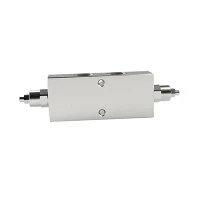
Hydraulic valves are the backbone of the control system. They regulate the flow and pressure of hydraulic fluid, which powers the movement of the grapple jaws and the rotation mechanism. There are different types of hydraulic valves used in rotary grapples, including directional control valves, pressure control valves, and flow control valves. For example, Hydraulic Lock YIKAIDE is a high - performance hydraulic valve that provides reliable locking and safety features to prevent unexpected movement of the grapple.
2. Sensors
Sensors are used to monitor various parameters of the grapple's operation, such as jaw position, rotation angle, and hydraulic pressure. These sensors provide real - time feedback to the control system, allowing it to make accurate adjustments. For instance, a position sensor on the grapple jaws can detect the exact position of the jaws, enabling the control system to stop the closing movement when the jaws are fully closed or to adjust the pressure based on the position.
3. Controller
The controller is the central processing unit of the control system. It receives input from the sensors and the operator's controls, processes the information, and sends out commands to the hydraulic valves. The controller can be programmed to perform different functions based on the specific requirements of the application. For example, in a waste management operation, the controller can be set to automatically adjust the jaw pressure based on the type of waste being handled.
4. Operator Controls
The operator controls are the interface between the operator and the control system. They typically include joysticks, buttons, or touchscreens that allow the operator to send commands to the control system. The design of the operator controls is crucial for ease of use and precision. A well - designed control interface enables the operator to perform complex tasks with minimal effort and maximum accuracy.
Benefits of a Well - Designed Control System
A high - quality control system in a rotary grapple offers several significant benefits:
1. Increased Productivity
With precise control over the grapple's movements, operators can work more efficiently. They can quickly grasp, rotate, and release materials, reducing the time required for each task. This leads to higher productivity levels, especially in large - scale operations where time is of the essence.
2. Enhanced Safety
As mentioned earlier, the safety features built into the control system help prevent accidents and damage to the equipment. By monitoring and limiting the force applied by the grapple, the control system reduces the risk of overloading and mechanical failure. This provides a safer working environment for the operators.
3. Improved Material Handling
The ability to control the jaw pressure and rotation accurately allows for better handling of different types of materials. Fragile materials can be handled gently, while heavy and large materials can be securely grasped and moved. This results in less damage to the materials and more efficient use of resources.


4. Reduced Maintenance Costs
A well - designed control system helps to prevent excessive wear and tear on the grapple's components. By ensuring smooth and controlled movements, it reduces the stress on the hydraulic system, valves, and mechanical parts. This leads to fewer breakdowns and lower maintenance costs over the lifespan of the rotary grapple.
Examples of Control System Applications
To illustrate the importance of the control system in a rotary grapple, let's look at some real - world applications:
1. Forestry
In forestry operations, rotary grapples are used to handle logs. The control system allows the operator to quickly and accurately grasp logs of different sizes, rotate them into the desired position for loading onto trucks or processing equipment. For example, Hydraulic Lock So - k6b - 1 can be installed in the control system to ensure secure locking of the grapple jaws when holding heavy logs, preventing the logs from slipping during transportation.
2. Construction
In construction sites, rotary grapples are used to move building materials such as bricks, concrete blocks, and steel beams. The control system enables precise placement of these materials, reducing the need for additional manual handling. The Dual Pilot Check Valve Hydraulic Lock in the control system can provide reliable safety and control for the movement of heavy construction materials.
3. Waste Management
In waste management facilities, rotary grapples are used to sort and handle different types of waste. The control system allows the operator to adjust the jaw pressure based on the type of waste, from light and fragile items to heavy and compacted materials. This ensures efficient and environmentally friendly waste handling.
Contact for Purchase and Collaboration
If you're in the market for a high - quality rotary grapple with a state - of - the - art control system, we're here to help. Our extensive experience as a rotary grapple supplier has allowed us to develop and offer products that meet the highest standards of performance, reliability, and safety. Whether you're in the forestry, construction, or waste management industry, we can provide you with the right solution for your needs.
Feel free to reach out to us to discuss your specific requirements and explore how our rotary grapples can enhance your operations. We look forward to the opportunity to work with you and contribute to the success of your projects.
References
- [Author's Name if applicable], [Title of Relevant Industry Research], [Publication Name], [Year of Publication]
- Industry Standards and Guidelines for Rotary Grapples and Control Systems
- Manufacturer's Manuals of Hydraulic Valves and Control Components Used in Rotary Grapples