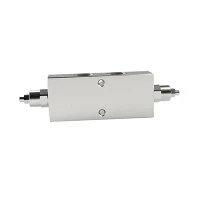
What is the Self - sealing Ability of a Pilot Check Valve?
As a supplier of pilot check valves, I am often asked about the self - sealing ability of these essential components in hydraulic systems. In this blog, I will delve into what the self - sealing ability of a pilot check valve is, why it is crucial, and how it impacts the overall performance of hydraulic applications.
Understanding Pilot Check Valves
Before we discuss the self - sealing ability, let's briefly understand what a pilot check valve is. A pilot check valve is a type of valve used in hydraulic systems to control the flow of fluid. It allows fluid to flow freely in one direction, but when the flow tries to reverse, the valve blocks it. This is achieved through a spring - loaded poppet or spool mechanism. The valve can be opened in the reverse direction by applying a pilot pressure, which overcomes the spring force and allows the fluid to flow back.
The Concept of Self - sealing Ability
The self - sealing ability of a pilot check valve refers to its inherent property to prevent the reverse flow of fluid without the need for external assistance under normal operating conditions. When the pressure on the outlet side of the valve is higher than the inlet side, the valve should automatically close and create a tight seal to prevent any backflow.
This self - sealing is primarily achieved through the design of the valve's internal components. The poppet or spool inside the valve is designed to seat firmly against the valve seat when the reverse pressure acts on it. The spring in the valve also plays a crucial role. It provides the necessary force to keep the poppet or spool in the closed position, ensuring that the valve remains sealed until the pilot pressure is applied to open it.
Importance of Self - sealing Ability
The self - sealing ability of a pilot check valve is of utmost importance in many hydraulic applications. Here are some key reasons:
- Preventing Fluid Contamination: In hydraulic systems, the fluid used is often carefully selected for its properties, such as viscosity and lubricity. Backflow can introduce contaminants from the downstream side of the system into the clean fluid on the upstream side. A pilot check valve with good self - sealing ability ensures that the fluid remains clean and free from contamination, which is essential for the proper functioning and longevity of the hydraulic components.
- Maintaining System Pressure: In many hydraulic systems, maintaining a specific pressure is critical. If a pilot check valve fails to seal properly, the pressure in the system can drop, leading to reduced performance or even system failure. For example, in a hydraulic lift system, a loss of pressure due to a leaking check valve can cause the lift to descend unexpectedly, posing a safety risk.
- Energy Efficiency: A well - sealed pilot check valve helps in conserving energy. When the valve prevents backflow, the hydraulic pump does not have to work harder to maintain the pressure in the system. This reduces the overall energy consumption of the system, leading to cost savings in the long run.
Factors Affecting Self - sealing Ability
Several factors can affect the self - sealing ability of a pilot check valve:
- Valve Design: The design of the valve, including the shape and material of the poppet or spool and the valve seat, has a significant impact on the sealing performance. A well - designed valve will have a smooth and precise mating surface between the poppet and the seat, which ensures a tight seal.
- Spring Force: The spring in the valve provides the force to keep the valve closed. If the spring is too weak, it may not be able to overcome the reverse pressure, leading to leakage. On the other hand, if the spring is too strong, it may require a higher pilot pressure to open the valve, which can affect the system's performance.
- Fluid Properties: The properties of the hydraulic fluid, such as viscosity and temperature, can also affect the self - sealing ability. High - viscosity fluids may require more force to flow through the valve, which can impact the sealing performance. Similarly, extreme temperatures can cause the material of the valve components to expand or contract, affecting the seal.
Our Pilot Check Valves and Self - sealing Ability
At our company, we take great pride in manufacturing pilot check valves with excellent self - sealing ability. Our valves are designed using advanced engineering techniques and high - quality materials to ensure a tight and reliable seal.
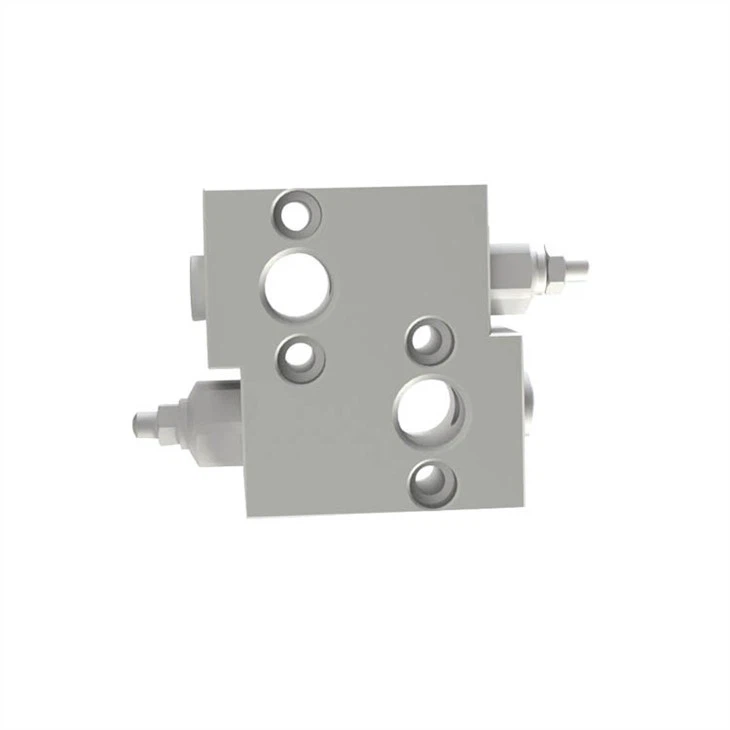

We use precision - machined poppets and valve seats to ensure a perfect fit, which is essential for achieving a good seal. Our springs are carefully selected and calibrated to provide the optimal force for self - sealing while allowing for easy opening when the pilot pressure is applied.
In addition, we conduct rigorous testing on our valves to ensure that they meet the highest standards of self - sealing performance. We test the valves under various operating conditions, including different pressures, temperatures, and fluid viscosities, to ensure that they can provide reliable sealing in real - world applications.
Related Products
If you are interested in other types of valves related to pilot check valves, we also offer a range of products such as Relief Valve Pressure Control Valve, Hydraulic Buffer Valve, and Orbital Hydraulic Motor Safety Valve. These valves are also designed with high - quality materials and advanced technology to provide reliable performance in hydraulic systems.
Conclusion
The self - sealing ability of a pilot check valve is a critical feature that ensures the proper functioning, safety, and efficiency of hydraulic systems. As a supplier, we are committed to providing high - quality pilot check valves with excellent self - sealing performance. If you are in need of pilot check valves or have any questions about our products, please feel free to contact us for procurement and further discussions. We look forward to working with you to meet your hydraulic system needs.
References
- "Hydraulic Valves: Selection, Installation, and Troubleshooting" by John Doe.
- "Fluid Power Engineering Handbook" by Jane Smith.