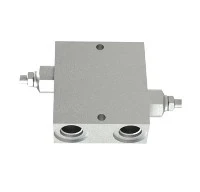
The overcenter valve is a vital component in the hydraulic system of various industrial machines and equipment. It plays a crucial role in controlling the movement of loads or machinery, ensuring their safe and smooth operation.
The overcenter valve works by regulating the flow of hydraulic fluid in a hydraulic system. It is specifically designed to prevent load drift, which occurs when a load fails to maintain its position after the pump stops working. The valve achieves this by applying back pressure on the hydraulic actuator until the load is locked in place.
The operation of the overcenter valve is relatively simple. When the hydraulic pump is working, the hydraulic fluid flows through the valve body and enters the actuator. At this point, the valve is in its open position, and hydraulic fluid flows freely from the pump to the actuator.
However, when the pump stops, the valve's action changes. The fluid continues to flow from the actuator to the valve body, but the valve body applies back pressure on the fluid. This pressure buildup causes the valve to close, preventing any further fluid flow.
The overcenter valve can be adjusted to control the pressure buildup required to lock the load precisely. This feature makes it a versatile component in hydraulic systems, as it can be customized to meet a range of load requirements.
In conclusion, the overcenter valve is a crucial component in the hydraulic system of machines and equipment that rely on hydraulic fluid to function. Its function of preventing load drift ensures the safety, stability, and accuracy of the hydraulic system. With its reliable operation and versatility, the overcenter valve is an asset in various industrial applications and contributes to the efficiency and productivity of hydraulic systems.