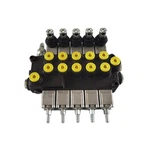
Hydraulic lock is an essential component in hydraulic systems used in a variety of industries, from construction and manufacturing to aerospace and automotive. The function of a hydraulic lock is to prevent fluid from flowing backward in a system, ensuring the proper functioning of all components. Understanding the structure of a hydraulic lock can be crucial for ensuring safe and effective operation.
A typical hydraulic lock consists of two main components: a valve and a lock chamber. The valve is responsible for regulating the flow of hydraulic fluid, while the lock chamber is a sealed container that prevents fluid from flowing in the wrong direction. The valve is typically a pressure relief valve or a check valve, depending on the specific application.
Pressure relief valves are designed to regulate the pressure within a hydraulic system, preventing it from exceeding safe operating limits. These valves can be adjusted to maintain a specific pressure, and will open to allow excess fluid to escape if the pressure gets too high. Pressure relief valves are commonly used in hydraulic systems that are subjected to varying amounts of pressure, such as those used in construction equipment and hydraulic presses.
Check valves, on the other hand, are designed to allow fluid to flow in only one direction. They are typically used in hydraulic systems that require a constant flow of fluid, such as those used in aircraft hydraulic systems. Check valves prevent fluid from flowing backward, ensuring that the hydraulic system remains pressurized and operational.
The lock chamber in a hydraulic lock is a sealed container that prevents fluid from flowing in the wrong direction. When a hydraulic system is not in use, the lock chamber is filled with hydraulic fluid, and the valve is closed to prevent any more fluid from entering. This creates a barrier that prevents fluid from flowing back into the system when it is not needed.
In order to ensure that a hydraulic lock functions properly, it is important to maintain the proper fluid levels within the lock chamber. If the fluid level is too low, the lock chamber will not be able to prevent fluid from flowing in the wrong direction. This can cause damage to the hydraulic system, and may even result in a failure of the system.
In conclusion, the structure of a hydraulic lock is a crucial component in hydraulic systems used in a wide variety of industries. Whether you are operating heavy equipment or constructing new buildings, a reliable hydraulic system is vital for ensuring safe and effective operation. Understanding the components of a hydraulic lock can help to ensure proper functioning of the system, and prevent any potential problems from arising. By maintaining fluid levels, ensuring proper pressure relief valves are installed, and preventing fluid from flowing back in the incorrect direction, hydraulic lock can provide the necessary protection and security for the proper and effective use of hydraulic systems.