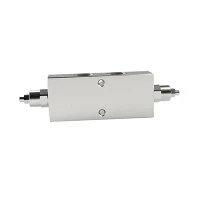
Hey there! As a supplier of Pilot Check Valves, I often get asked a bunch of questions about how these valves work and where they can be used. One question that comes up quite a bit is, "Can a Pilot Check Valve be used in a system with high - frequency pressure fluctuations?" Well, let's dive right into it.
First off, let's understand what a Pilot Check Valve is. A Pilot Check Valve is a type of valve that allows fluid to flow in one direction freely but can be opened to allow reverse flow when a pilot pressure is applied. It's like a one - way street for fluids, but you can open the other direction if you have the right key (the pilot pressure). These valves are super useful in hydraulic systems, where they help control the flow of hydraulic fluid and prevent backflow.
Now, high - frequency pressure fluctuations. These are rapid and repeated changes in pressure within a system. They can be caused by a variety of factors, such as pumps with high - speed cycling, rapid opening and closing of other valves in the system, or the movement of heavy loads in hydraulic machinery. High - frequency pressure fluctuations can be a real pain in the neck for some components in a system because they can cause excessive wear, vibration, and even failure.
So, can a Pilot Check Valve handle these high - frequency pressure fluctuations? The short answer is, it depends. There are a few factors we need to consider.
Valve Design and Construction
The design and construction of the Pilot Check Valve play a huge role. A well - designed valve with high - quality materials can better withstand the stress and wear caused by high - frequency pressure changes. For example, valves with robust seals and strong valve seats are less likely to leak or get damaged when the pressure is constantly changing. Some of our Pilot Check Valves are designed with special materials that can handle the high - stress environment of high - frequency pressure fluctuations. These materials are resistant to wear and corrosion, which helps extend the life of the valve.
Response Time
The response time of the Pilot Check Valve is also crucial. In a system with high - frequency pressure fluctuations, the valve needs to be able to open and close quickly enough to keep up with the changes. If the valve is too slow to respond, it can cause problems like pressure spikes or improper flow control. Our valves are engineered to have a fast response time, so they can adapt to the rapid pressure changes in a high - frequency system. This ensures that the valve can perform its function effectively and prevent any issues that could arise from slow response.
Damping and Cushioning
To deal with high - frequency pressure fluctuations, some Pilot Check Valves are equipped with damping or cushioning features. These features help reduce the impact of the pressure changes on the valve and the system as a whole. Damping can be achieved through the use of special internal components or the design of the valve itself. For instance, some of our valves have a built - in Hydraulic Parts Buffer Valve that helps absorb the shock of the pressure fluctuations. This not only protects the valve but also other components in the system from damage.
System Compatibility
It's important to consider the overall system compatibility when using a Pilot Check Valve in a high - frequency pressure environment. The valve needs to be properly sized and configured for the specific system it will be used in. If the valve is too small or too large for the system, it can lead to problems. For example, an undersized valve may not be able to handle the flow rate or pressure, while an oversized valve can be inefficient and may not respond well to the high - frequency changes. Our team of experts can help you determine the right valve for your system based on your specific requirements.
Advantages of Using a Pilot Check Valve in High - Frequency Systems
Despite the challenges, there are some advantages to using a Pilot Check Valve in a system with high - frequency pressure fluctuations.
Flow Control
A Pilot Check Valve can provide precise flow control even in a high - frequency environment. It can ensure that the fluid flows in the desired direction and at the right rate, which is essential for the proper operation of the system. This is especially important in applications where accurate flow control is critical, such as in precision hydraulic machinery.


Backflow Prevention
One of the main functions of a Pilot Check Valve is to prevent backflow. In a high - frequency system, backflow can cause serious problems, such as damage to pumps or other components. The Pilot Check Valve can effectively block the reverse flow of fluid, protecting the system from potential damage.
Safety
Using a Pilot Check Valve in a high - frequency system can also enhance safety. By controlling the flow and preventing backflow, the valve helps maintain the stability of the system. This reduces the risk of accidents and malfunctions that could occur due to improper fluid flow or pressure changes.
Applications
There are several applications where Pilot Check Valves are used in systems with high - frequency pressure fluctuations.
Hydraulic Presses
Hydraulic presses often experience high - frequency pressure changes during the pressing operation. Pilot Check Valves can be used to control the flow of hydraulic fluid in these presses, ensuring smooth and efficient operation. The valves can prevent backflow when the press is releasing pressure, which helps protect the hydraulic components from damage.
Construction Machinery
In construction machinery like excavators and loaders, high - frequency pressure fluctuations are common due to the rapid movement of the hydraulic cylinders. Pilot Check Valves can be used to control the flow of fluid in these cylinders, providing better control and stability. They can also help prevent the cylinders from drifting when the machine is idle.
Industrial Automation
In industrial automation systems, high - frequency pressure fluctuations can occur due to the rapid operation of pneumatic and hydraulic actuators. Pilot Check Valves can be used to control the flow of fluid in these actuators, ensuring accurate and reliable operation.
Conclusion
So, to sum it up, a Pilot Check Valve can be used in a system with high - frequency pressure fluctuations, but it's important to choose the right valve and ensure proper installation and maintenance. At our company, we offer a wide range of Pilot Check Valves, including Buffer Valves and Buffer Valve Flow Control Valve, that are designed to handle the challenges of high - frequency pressure environments.
If you're considering using a Pilot Check Valve in your high - frequency system, we'd love to help. Our team of experts can provide you with all the information you need and help you choose the best valve for your application. Whether you're in the construction, industrial automation, or any other industry, we've got the right solution for you. Don't hesitate to reach out to us for more information or to start a procurement discussion. We're here to make sure your system runs smoothly and efficiently.
References
- Fluid Power Handbook, various editions
- Hydraulic System Design and Troubleshooting Guides