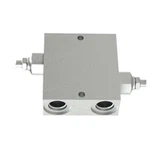
Hey there! As a pressure check valve supplier, I've had my fair share of customers scratching their heads when it comes to choosing the right pressure check valve. It's not as simple as just picking any valve off the shelf - there are a bunch of factors to think about. So, let's break it down and see what you need to keep in mind.
Pressure Rating
First things first, the pressure rating of the valve is super important. You gotta make sure that the valve can handle the maximum pressure that your system is gonna throw at it. If you pick a valve with a lower pressure rating than what your system requires, well, it's gonna be like sending a kid to do a grown - man's job. The valve might fail, leading to all sorts of problems like leaks or even system breakdowns.
On the other hand, if you go for a valve with a much higher pressure rating than necessary, you're probably overspending. It's like buying a super - heavy - duty truck to drive around the block every day. So, you need to accurately assess the operating pressure of your system and choose a valve with a pressure rating that's just right.
Flow Rate
Another key factor is the flow rate. The valve needs to be able to allow the right amount of fluid to pass through it without causing any significant pressure drops. If the valve restricts the flow too much, your system might not work as efficiently as it should. You'll end up with slower operation times and potentially more energy consumption.
To figure out the right flow rate for your valve, you need to know how much fluid your system needs to move in a given amount of time. This depends on things like the size of your pipes, the speed of your equipment, and the overall requirements of your process. Once you have that number, you can select a valve that can handle that flow rate.
Valve Type
There are different types of pressure check valves out there, and each type has its own pros and cons. For example, there are ball check valves, swing check valves, and diaphragm check valves.
Ball check valves are pretty common. They're simple, reliable, and can handle a wide range of pressures and flow rates. They work by using a ball that moves up and down to open and close the valve. Swing check valves, on the other hand, use a hinged disc that swings open and closed. They're great for applications where you need a large flow area and low pressure drop.
Diaphragm check valves use a flexible diaphragm to control the flow. They're often used in applications where you need to prevent backflow in a system with a relatively low pressure. So, you need to choose the valve type that best suits your specific application.
Material Compatibility
The material of the valve is also crucial. The valve needs to be made of a material that can withstand the fluid it's going to be in contact with. If the fluid is corrosive, like some chemicals or saltwater, you need a valve made of a corrosion - resistant material. Stainless steel is a popular choice in many corrosive environments because it's strong and resistant to rust.
If the fluid is abrasive, like slurries, you might need a valve with a hard - wearing material on the inside. Otherwise, the valve will wear out quickly, and you'll have to replace it more often. So, make sure to consider the properties of the fluid and choose a valve with the right material.
Temperature Range
The temperature of the fluid and the environment where the valve will be installed also matters. Some valves can only handle a certain temperature range. If the temperature gets too high or too low, the valve might not work properly.
For high - temperature applications, you need a valve made of materials that can withstand the heat without deforming or losing their strength. For low - temperature applications, the valve needs to be able to operate in cold conditions without becoming brittle. So, check the temperature ratings of the valve and make sure it's suitable for your situation.
Installation Requirements
You also need to think about how the valve is going to be installed. Some valves are easier to install than others. For example, some valves can be installed in any orientation, while others need to be installed in a specific position.
You also need to consider the space available for installation. If you have limited space, you might need a compact valve. And don't forget about the connection type. The valve needs to be able to connect to your existing pipes or equipment easily. There are different types of connections, like threaded connections, flanged connections, and welded connections. Choose the one that works best for your setup.


Cost
Let's face it, cost is always a factor. You want to get a good - quality valve at a reasonable price. But remember, the cheapest option isn't always the best. Sometimes, a slightly more expensive valve can save you money in the long run because it's more reliable and has a longer lifespan.
You need to balance the upfront cost of the valve with its long - term performance and maintenance requirements. Look for a valve that offers a good combination of quality and affordability.
Application - Specific Requirements
Depending on your specific application, there might be other requirements you need to consider. For example, if you're using the valve in a construction machinery application, you might need a valve that can withstand the vibrations and shocks that come with heavy - duty equipment. You can check out Counterbalance Valve Used in Construction Machinery for more information on valves suitable for this kind of application.
If you're working with a mini excavator, you might be interested in Hot Sale Hydraulic Control Valve Balance Valve For Mini Excavator or Hydraulic Control Valve Counterbalance Valve For Mini Ecxavator. These valves are designed to meet the specific needs of mini - excavator systems.
In conclusion, choosing the right pressure check valve requires careful consideration of multiple factors. You need to think about the pressure rating, flow rate, valve type, material compatibility, temperature range, installation requirements, cost, and any application - specific needs. By taking the time to evaluate these factors, you can select a valve that will work well in your system and give you reliable performance for a long time.
If you're still not sure which pressure check valve is right for your application, don't hesitate to reach out. I'm here to help you make the best choice. Whether you're a small - scale business or a large industrial operation, we can work together to find the perfect valve for your needs. So, let's start the conversation and get your system running smoothly!
References
- "Fluid Power Engineering Handbook" by Heinz P. Bloch
- "Valve Selection Handbook" by J. Paul Tullis