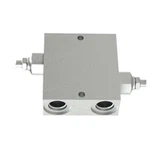
Can a pressure check valve cause pressure fluctuations in the system?
Hey there! I'm a supplier of pressure check valves, and this is a question I get asked a lot. So, let's dive right in and explore whether a pressure check valve can cause those pesky pressure fluctuations in a system.
First off, let's understand what a pressure check valve does. A pressure check valve is a simple yet crucial component in a hydraulic or pneumatic system. Its main job is to allow fluid (either liquid or gas) to flow in one direction while preventing it from flowing back in the opposite direction. It's like a one - way street for fluids. This helps maintain the integrity of the system, ensuring that the pressure and flow are going where they're supposed to.
Now, onto the big question: Can it cause pressure fluctuations? Well, the answer is a bit of a yes and no.
Reasons Why a Pressure Check Valve Might Cause Pressure Fluctuations
1. Valve Sticking
One of the most common reasons a pressure check valve can cause pressure fluctuations is valve sticking. Over time, dirt, debris, or even corrosion can build up inside the valve. This can prevent the valve from opening and closing smoothly. When the valve sticks open, the pressure in the system can drop suddenly because fluid is allowed to flow in an unintended way. On the other hand, if it sticks closed, the pressure can build up to dangerous levels, leading to spikes in the system pressure.
For example, in a hydraulic system used in heavy machinery, if the pressure check valve sticks, it can cause the machine to malfunction. The operator might notice sudden jerks or changes in the movement of the equipment, which are often a result of these pressure fluctuations.
2. Incorrect Sizing
If the pressure check valve is not sized correctly for the system, it can also lead to pressure fluctuations. A valve that is too small for the flow rate of the system will create a restriction. This restriction causes the pressure to increase upstream of the valve. Once the pressure becomes high enough to overcome the valve's cracking pressure, the valve opens suddenly, and the pressure drops rapidly. This on - off cycling can cause significant pressure fluctuations.
Conversely, a valve that is too large might not close properly, allowing fluid to leak back through the valve. This can lead to a gradual decrease in pressure over time, which can also be considered a form of pressure fluctuation.
3. Spring Issues
Pressure check valves often use springs to control the opening and closing of the valve. If the spring is damaged, worn out, or has the wrong stiffness, it can cause problems. A weak spring might not be able to keep the valve closed properly, leading to pressure drops. A too - stiff spring, on the other hand, might require a much higher pressure to open the valve, causing pressure to build up until the valve finally gives way.
Reasons Why a Pressure Check Valve Usually Doesn't Cause Pressure Fluctuations
1. Proper Design and Installation
When a pressure check valve is designed and installed correctly, it should operate smoothly and not cause pressure fluctuations. Manufacturers take great care to ensure that the valves are made with high - quality materials and precise engineering. If the valve is installed according to the manufacturer's specifications, it should function as intended.
For instance, if the valve is installed in a clean environment and the system is properly maintained, the chances of valve sticking are significantly reduced. Also, proper sizing and selection of the spring can prevent many of the issues that lead to pressure fluctuations.
2. System Compatibility
A well - chosen pressure check valve is compatible with the rest of the system. It works in harmony with other components such as pumps, pipes, and other valves. When all the components are working together properly, the system can maintain a stable pressure.


Now, let's talk about some related products that might be of interest to you. If you're looking for more advanced hydraulic valve solutions, you might want to check out these links:
- Conterbalance Valve Hydraulic
- Two - Way Hydraulic Control Valve Counterbalance Valve Factory
- Hydraulic Counterbalance Valve Vbcd G12 - DE
- VBCD 3/8" DE A 40L/min Hydraulic Valves Double Counterbalance Valve
- Hot Sale Single Way Hydraulic Fittings Hydraulic Balance Valve
So, if you're experiencing pressure fluctuations in your system and suspect that your pressure check valve might be the culprit, here are some steps you can take. First, check the valve for any signs of damage, dirt, or debris. Clean it if necessary. If the valve is still not working properly, you might need to replace the spring or the entire valve.
As a pressure check valve supplier, I'm here to help you find the right valve for your system. Whether you need a valve for a small - scale project or a large industrial application, I can provide you with high - quality products at competitive prices. If you're interested in purchasing pressure check valves or any of the related products I mentioned above, feel free to reach out for a consultation. We can discuss your specific requirements and find the best solution for your system.
In conclusion, while a pressure check valve can cause pressure fluctuations under certain circumstances, it doesn't have to. With proper design, installation, and maintenance, these valves can operate smoothly and help keep your system running at a stable pressure. So, don't let pressure fluctuations get you down. Let's work together to find the perfect valve for your needs.
References
- Fluid Power Handbook, Various authors
- Hydraulic System Design Guide, Industry experts