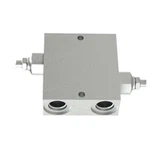
Hey there! As a hydraulic lock valve supplier, I've seen firsthand how crucial it is to keep these valves clean. A clean hydraulic lock valve not only ensures smooth operation but also extends its lifespan. So, let's dive into how you can maintain the cleanliness of a hydraulic lock valve.
Understanding Hydraulic Lock Valves
Before we get into the maintenance part, it's important to know what a hydraulic lock valve is. These valves are used in hydraulic systems to hold a load in place. They prevent the flow of hydraulic fluid in one or both directions, depending on the type. They're commonly used in applications like construction equipment, industrial machinery, and even some automotive systems.
Why Cleanliness Matters
Dirt and debris can cause a whole lot of problems for hydraulic lock valves. They can scratch the valve surfaces, leading to leaks. Contaminants can also clog the small passages in the valve, affecting its performance. In severe cases, a dirty valve can even fail completely, which can be dangerous and costly to fix. So, keeping your hydraulic lock valve clean is essential for its proper functioning and your safety.
Regular Inspections
The first step in maintaining cleanliness is regular inspections. You should visually inspect the valve for any signs of dirt, leaks, or damage. Look at the valve body, the seals, and the connections. If you see any signs of dirt or debris, it's time to clean the valve.
Cleaning the Valve Exterior
The exterior of the valve is the first line of defense against dirt. You can use a soft brush and a cleaning solution to remove any dirt and grime from the valve body. Make sure to use a cleaning solution that's compatible with the valve material. Avoid using abrasive materials that could scratch the valve. After cleaning, dry the valve thoroughly to prevent rust.
Cleaning the Interior
Cleaning the interior of the valve is a bit more involved. You'll need to disassemble the valve carefully. Make sure to follow the manufacturer's instructions when disassembling. Once it's disassembled, you can clean the individual parts using a solvent. Soak the parts in the solvent for a while to loosen any dirt and debris. Then, use a soft brush to clean the parts thoroughly. Rinse the parts with clean water and dry them completely before reassembling the valve.
Using Clean Hydraulic Fluid
The hydraulic fluid in your system can also have a big impact on the cleanliness of the valve. Make sure to use high - quality, clean hydraulic fluid. Change the fluid regularly according to the manufacturer's recommendations. A dirty fluid can carry contaminants into the valve, so keeping the fluid clean is crucial. You can use a filter in the hydraulic system to remove any particles from the fluid.
Keeping the Work Environment Clean
When working on the hydraulic lock valve, it's important to keep the work environment clean. A dirty work area can introduce dirt and debris into the valve during maintenance. Make sure to clean the workbench and use clean tools. Wear gloves to prevent any oils or dirt from your hands from getting on the valve.
Storage
If you're not using the valve for a while, proper storage is essential. Store the valve in a clean, dry place. You can cover the valve with a protective cover to prevent dust and dirt from accumulating on it.
Related Products
When it comes to hydraulic systems, we also offer some great related products. Check out our Electro - hydraulic Rotary Joint YHZ, Electro - hydraulic Swivel For Excavator, and Hydraulic Rotary Swivel Yhz System. These products are designed to work seamlessly with hydraulic lock valves and can enhance the performance of your hydraulic system.


Conclusion
Maintaining the cleanliness of a hydraulic lock valve is not that difficult if you follow these steps. Regular inspections, proper cleaning, using clean hydraulic fluid, keeping the work environment clean, and proper storage are all key to keeping your valve in top shape. If you have any questions about hydraulic lock valves or need help with maintenance, feel free to reach out. Whether you're in the market for a new hydraulic lock valve or looking for more information on how to take care of the ones you have, we're here to assist. Contact us today to start a discussion about your needs and let's work together to keep your hydraulic systems running smoothly.
References
- "Hydraulic System Maintenance Handbook"
- "Valve Technology and Applications"