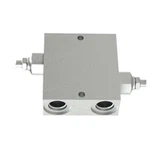
Does a Pressure Check Valve Need to Comply with Certain Safety Standards?
As a pressure check valve supplier deeply entrenched in the industry, questions regarding safety standards for these critical components come up frequently. The answer is a resounding yes. Pressure check valves play a fundamental role in numerous systems, from industrial manufacturing processes to hydraulic systems, and their adherence to safety standards is not just important; it is essential.
The Importance of Safety Standards for Pressure Check Valves
Safety standards for pressure check valves are established to ensure the reliable and safe operation of the systems in which they are installed. These valves are designed to prevent backflow and maintain proper pressure levels, and any malfunction can lead to serious consequences. For example, in a hydraulic system, a faulty pressure check valve could cause a sudden loss of pressure, leading to equipment failure, leaks, or even dangerous accidents.
One of the primary reasons for safety standards is to protect human life. In industrial settings, workers are often in close proximity to systems that rely on pressure check valves. If these valves do not meet safety requirements, the risk of injury or death increases significantly. For instance, in a high - pressure steam system, a malfunctioning pressure check valve could result in steam leaks, which can cause severe burns and other injuries.
Another crucial aspect is the protection of equipment. Pressure check valves help to maintain the integrity of the entire system by preventing over - pressure and backflow. When valves do not comply with safety standards, they may fail to perform these functions effectively, leading to damage to other components in the system. This can result in costly repairs, downtime, and lost productivity.
Commonly Accepted Safety Standards
There are several internationally recognized safety standards that pressure check valve manufacturers should adhere to. One of the most well - known is the American Society of Mechanical Engineers (ASME) Boiler and Pressure Vessel Code (BPVC). This code sets forth requirements for the design, fabrication, inspection, and testing of pressure vessels and related components, including pressure check valves. ASME standards ensure that valves are designed and manufactured to withstand the pressures and temperatures they will encounter in service.
The International Organization for Standardization (ISO) also has a set of standards related to pressure check valves. ISO standards cover a wide range of aspects, such as valve performance, dimensions, and materials. For example, ISO 4401 defines the standard for directional control valves, which includes many of the principles applicable to pressure check valves. Compliance with ISO standards not only ensures safety but also facilitates international trade, as products that meet these standards are more likely to be accepted in different markets.
In addition, the European standards, such as those from the European Committee for Standardization (CEN), are widely followed in Europe. These standards, like EN 13445 for unfired pressure vessels, provide guidelines for the design and operation of pressure - related equipment, including pressure check valves.
Ensuring Compliance in Our Products
As a pressure check valve supplier, we understand the importance of safety standards and are committed to ensuring that all our products meet or exceed them. Our manufacturing process begins with the selection of high - quality materials. We use only materials that are approved by relevant standards organizations and that have the appropriate strength and corrosion resistance for the intended applications.
We also have a rigorous quality control system in place. Every pressure check valve undergoes a series of tests during the manufacturing process. These tests include pressure testing to ensure that the valve can withstand the specified pressure levels without leakage, as well as functional testing to verify that it operates correctly under different conditions.
In addition, our engineering team stays updated on the latest safety standards and technological advancements. They incorporate the latest design features and best practices into our products to ensure that they are not only safe but also efficient and reliable.
Related Products and Their Standards
In our product range, we not only offer pressure check valves but also related products such as overcenter counterbalance valves, double overcenter valves, and Rexroth - style counterbalance valves. The Overcenter Conterbalance Valve Hydraulic is designed to control the movement of a load in a hydraulic system. Just like pressure check valves, these valves need to comply with strict safety standards to ensure proper operation.
The Double Overcenter Valve Hydraulic Balance Control Valve provides additional control and safety features in hydraulic systems. It is engineered to meet specific safety and performance requirements to prevent issues such as load dropping and system instability.
The Rexroth Counterbalance Valve Same Vbcd - system is designed to offer high - performance counterbalancing capabilities. Our version of this valve adheres to the same safety principles as the original Rexroth product, ensuring compatibility and reliable operation in various hydraulic applications.
The Role of Safety Standards in the Marketplace
Safety standards also play a significant role in the marketplace. Customers are increasingly aware of the importance of safety and are more likely to choose products that are known to comply with recognized standards. By offering pressure check valves and related products that meet these standards, we are able to build trust with our customers and differentiate ourselves from competitors who may not have the same level of commitment to safety.
In addition, many industries have regulatory requirements that mandate the use of products that meet specific safety standards. For example, the aerospace and automotive industries have strict safety regulations, and pressure check valves used in these applications must comply with relevant standards to ensure the safety and reliability of the final products.
Conclusion and Call to Action
In conclusion, pressure check valves must comply with certain safety standards to ensure the safety of people, protect equipment, and maintain the integrity of the systems in which they are used. As a pressure check valve supplier, we are dedicated to providing high - quality products that meet or exceed these standards.


If you are in the market for pressure check valves, overcenter counterbalance valves, double overcenter valves, or Rexroth - style counterbalance valves, we invite you to reach out to us. Our team of experts is ready to assist you in selecting the right products for your specific applications.
References
- American Society of Mechanical Engineers (ASME), Boiler and Pressure Vessel Code (BPVC).
- International Organization for Standardization (ISO), Standards related to valves.
- European Committee for Standardization (CEN), EN standards for pressure vessels and related equipment.