As a supplier of aerial work platforms, I understand the critical importance of electrical safety in these machines. Aerial work platforms (AWPs) are essential equipment in various industries, including construction, maintenance, and warehousing. They provide a safe and efficient way to access elevated work areas. However, the electrical systems in AWPs can pose significant risks if not properly managed. In this blog post, I will discuss the key electrical safety aspects of an aerial work platform.
Electrical System Design and Installation
The first step in ensuring electrical safety in an aerial work platform is proper design and installation of the electrical system. The electrical system should be designed to meet all relevant safety standards and regulations. This includes using appropriate wire sizes, overcurrent protection devices, and grounding systems.
- Wire Sizes: The wire sizes used in the electrical system must be large enough to carry the electrical current without overheating. Overheating can cause insulation to break down, leading to short circuits and electrical fires. When selecting wire sizes, factors such as the length of the wire run, the amount of current the wire will carry, and the ambient temperature must be considered.
- Overcurrent Protection Devices: Overcurrent protection devices, such as fuses and circuit breakers, are essential for protecting the electrical system from damage caused by excessive current. These devices are designed to trip or blow when the current exceeds a certain level, thereby interrupting the flow of electricity and preventing damage to the equipment and wiring.
- Grounding Systems: A proper grounding system is crucial for electrical safety. The grounding system provides a path for electrical current to flow safely to the ground in the event of a fault. This helps to prevent electric shock and reduces the risk of electrical fires. All electrical components in the AWP should be properly grounded, and the grounding system should be regularly inspected to ensure its integrity.
Electrical Component Selection
The selection of electrical components is another important aspect of electrical safety in an aerial work platform. Only high - quality, reliable electrical components should be used. These components should be rated for the specific application and environmental conditions in which the AWP will operate.
- Switches and Relays: Switches and relays are used to control the flow of electricity in the AWP. They should be selected based on their ability to handle the electrical load and their durability. Faulty switches and relays can cause unexpected power failures or electrical malfunctions, which can be dangerous for the operator.
- Batteries: Batteries are a common power source for many aerial work platforms. It is important to select batteries that are appropriate for the AWP's power requirements and operating conditions. Batteries should be properly maintained, including regular charging and inspection for signs of damage or deterioration. Overcharging or undercharging a battery can lead to reduced battery life, overheating, and even explosion.
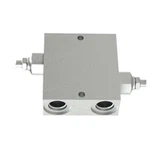
- Hydraulic Pressure Reducing Valve: Although not strictly an electrical component, the hydraulic pressure reducing valve is an important part of the AWP's overall system. It helps to regulate the hydraulic pressure, which can affect the operation of the electrical components in the system. A malfunctioning hydraulic pressure reducing valve can cause excessive pressure in the hydraulic system, which may lead to damage to electrical components or other parts of the AWP.
Operator Training
Operator training is essential for ensuring electrical safety in an aerial work platform. Operators should be trained on the proper use, maintenance, and inspection of the AWP's electrical system.
- System Familiarization: Operators should be familiar with the location and function of all electrical components in the AWP. They should know how to operate the controls safely and how to recognize signs of electrical problems, such as abnormal noises, sparks, or smoke.
- Safety Procedures: Operators should be trained on the proper safety procedures to follow when working with the AWP's electrical system. This includes wearing appropriate personal protective equipment (PPE), such as insulated gloves and safety glasses, and following lockout - tagout procedures when performing maintenance or repair work on the electrical system.
- Emergency Response: Operators should also be trained on how to respond to electrical emergencies, such as electric shock or electrical fires. They should know how to use emergency stop buttons and how to call for help in case of an emergency.
Regular Maintenance and Inspection
Regular maintenance and inspection of the AWP's electrical system are necessary to ensure its continued safe operation.
- Visual Inspections: Visual inspections should be performed regularly to check for signs of damage or wear on the electrical components. This includes looking for frayed wires, loose connections, and damaged insulation. Any damaged components should be replaced immediately.
- Electrical Testing: Electrical testing should be carried out periodically to ensure that the electrical system is functioning properly. This may include testing the continuity of wires, the operation of switches and relays, and the performance of overcurrent protection devices.
- Calibration: Some electrical components, such as sensors and meters, may need to be calibrated regularly to ensure accurate readings. Calibration helps to ensure that the AWP's electrical system is operating within the specified parameters.
Environmental Considerations
The environment in which the aerial work platform operates can also affect electrical safety.


- Moisture and Humidity: Moisture and humidity can cause corrosion and damage to electrical components. AWPs operating in wet or humid environments should be equipped with appropriate waterproofing and moisture - resistant electrical components. Regular inspections should be carried out to check for signs of moisture ingress and corrosion.
- Temperature Extremes: Extreme temperatures can also affect the performance of electrical components. In cold temperatures, batteries may lose their charge more quickly, and some electrical components may become brittle and prone to damage. In hot temperatures, electrical components may overheat, leading to reduced performance and increased risk of failure. AWPs should be designed and equipped to operate within the expected temperature range, and appropriate cooling or heating systems may be required.
- Dust and Debris: Dust and debris can accumulate on electrical components, causing overheating and short circuits. AWPs operating in dusty environments should be regularly cleaned, and appropriate dust - proofing measures should be taken to protect the electrical system.
Risk Assessment
A comprehensive risk assessment should be conducted before using an aerial work platform. The risk assessment should identify all potential electrical hazards associated with the AWP and the work environment. Based on the risk assessment, appropriate control measures should be implemented to minimize the risk of electrical accidents.
- Hazard Identification: The risk assessment should identify all potential electrical hazards, such as exposed wires, faulty electrical components, and the presence of live electrical circuits.
- Risk Evaluation: Once the hazards have been identified, the risk associated with each hazard should be evaluated. This involves considering the likelihood of an accident occurring and the potential consequences of the accident.
- Control Measures: Based on the risk evaluation, appropriate control measures should be implemented. These may include engineering controls, such as installing protective barriers or using insulated tools, administrative controls, such as implementing safety procedures and training programs, and personal protective equipment.
Conclusion
Electrical safety is a critical aspect of operating an aerial work platform. By ensuring proper design and installation of the electrical system, selecting high - quality electrical components, providing operator training, conducting regular maintenance and inspections, considering environmental factors, and performing risk assessments, the risk of electrical accidents can be significantly reduced.
If you are in the market for an aerial work platform, I encourage you to reach out to us for more information. Our team of experts can help you select the right AWP for your needs and ensure that it meets all the necessary electrical safety standards. We are committed to providing high - quality, safe, and reliable aerial work platforms to our customers. Contact us today to start a discussion about your procurement requirements and let us help you find the perfect solution for your business.
References
- Electrical Safety Standards for Industrial Equipment, National Electrical Code (NEC)
- Aerial Work Platform Manufacturer's Manuals
- Occupational Safety and Health Administration (OSHA) Guidelines for Aerial Work Platforms