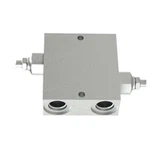
As a reputable supplier of hydraulic lifts, I am constantly exploring the cutting - edge advancements and future trends in this dynamic field. Hydraulic lift technology has come a long way since its inception, and the future holds a plethora of exciting possibilities.


1. Energy Efficiency
One of the most significant trends in hydraulic lift technology is the focus on energy efficiency. In today's world, where sustainability is a top priority, hydraulic lift manufacturers are investing heavily in research and development to reduce energy consumption. Traditional hydraulic lifts often rely on large - capacity motors that continuously draw power, even when the lift is idle. However, future hydraulic lifts will be designed with advanced power management systems.
For instance, variable frequency drives (VFDs) are increasingly being integrated into hydraulic lift systems. These drives can adjust the speed of the pump motor according to the actual load requirements of the lift. When the load is light, the motor runs at a lower speed, consuming less energy. Additionally, regenerative braking systems are being developed. When the lift descends, instead of wasting the gravitational potential energy as heat, these systems can convert it back into electrical energy and feed it back into the power grid or into the lift's own power supply for future use.
As a supplier, we are committed to offering energy - efficient hydraulic lift solutions to our customers. Our energy - saving models not only help our clients reduce their operational costs but also contribute to a greener environment.
2. Smart and Connectivity Features
The era of the Internet of Things (IoT) has deeply penetrated the hydraulic lift industry. Future hydraulic lifts will be equipped with smart sensors and connectivity features that enable real - time monitoring and control. These sensors can detect a wide range of parameters, including the lift's position, speed, load, hydraulic pressure, and temperature.
With the data collected from these sensors, lift operators can remotely monitor the performance and health of the hydraulic lift. For example, if a sensor detects a sudden drop in hydraulic pressure, an alert can be sent to the maintenance team's mobile devices. This proactive approach allows for timely maintenance and reduces the risk of unexpected breakdowns.
Moreover, smart hydraulic lifts can be integrated with building management systems (BMS). This integration enables seamless operation within a larger building infrastructure. For example, the lift can be programmed to adjust its operation based on the building's occupancy patterns. During peak hours, it can optimize its routes to transport more passengers efficiently.
We, as a supplier, are at the forefront of this technological shift. Our hydraulic lifts come with state - of - the - art smart features, ensuring that our customers can enjoy the benefits of enhanced efficiency and reliability.
3. Safety Enhancements
Safety has always been a top concern in the hydraulic lift industry, and future trends will continue to focus on improving safety features. Advanced safety sensors will become more common in hydraulic lifts. For example, new types of collision - avoidance sensors can detect obstacles in the lift's path and automatically stop the lift to prevent accidents.
In addition, the design of hydraulic lift cabins will be improved to enhance passenger safety. The use of stronger and lighter materials will increase the structural integrity of the cabin, while ergonomic designs will provide a more comfortable and secure environment for passengers.
Emergency systems will also be upgraded. Future hydraulic lifts may be equipped with backup power sources that can operate the lift in the event of a main power failure, allowing passengers to safely reach the nearest floor.
As a supplier, we adhere to the highest safety standards. Our hydraulic lifts are rigorously tested to ensure that they meet or exceed all relevant safety regulations.
4. Compact and Modular Designs
Space is often a valuable commodity, especially in urban areas. Future hydraulic lift technology will see a trend towards more compact and modular designs. Compact hydraulic lifts are ideal for buildings with limited space, such as small commercial buildings or residential apartments.
Modular designs, on the other hand, offer greater flexibility in installation and maintenance. Components of the hydraulic lift can be pre - fabricated and easily assembled on - site. This not only reduces the installation time but also makes it easier to replace individual components in case of damage.
Our company is well - aware of the demand for compact and modular hydraulic lifts. We offer a wide range of models that can be customized to fit the specific space requirements of our customers.
5. Integration with Electro - Hydraulic Components
The integration of electro - hydraulic components is another important future trend. Electro - hydraulic components, such as the Electro - hydraulic Swivel Joint, Electro - hydraulic Rotary Joint YHZ, and Electro - hydraulic Swivel, provide enhanced control and functionality to hydraulic lift systems.
These components can precisely regulate the flow and pressure of hydraulic fluids, allowing for smoother and more accurate lift operations. They also enable better synchronization between different parts of the lift system, improving overall performance.
As a supplier, we have a deep understanding of the importance of electro - hydraulic components. We offer a comprehensive range of hydraulic lift products that are integrated with high - quality electro - hydraulic components, ensuring optimal performance and reliability.
Conclusion
The future of hydraulic lift technology is full of promise, with trends focusing on energy efficiency, smart features, safety enhancements, compact designs, and the integration of electro - hydraulic components. As a leading supplier in the industry, we are dedicated to staying ahead of these trends and providing our customers with the most advanced and reliable hydraulic lift solutions.
If you are interested in our hydraulic lift products or would like to discuss your specific requirements, we invite you to contact us for a procurement negotiation. We look forward to working with you to meet your lifting needs.
References
- "Hydraulic Systems and Technology" by Peter Dyke
- "The Internet of Things in Elevator and Lift Systems" from a research paper in the Journal of Building Automation
- Reports from industry associations related to hydraulic lift technology