

Hey there! As a supplier of aerial work platforms, I've seen firsthand how temperature can have a huge impact on these machines. In this blog, I'm gonna break down exactly how temperature affects the performance of an aerial work platform and what you can do to keep your equipment running smoothly, no matter the weather.
Cold Temperature Woes
Let's start with the cold. When the mercury drops, it can cause a whole bunch of problems for your aerial work platform. One of the most significant issues is with the hydraulic system. Hydraulic fluid is the lifeblood of these machines, and in cold temperatures, it can thicken up. This thickening makes it harder for the fluid to flow through the system, which means slower operation and reduced efficiency.
For instance, if you're trying to lift or lower the platform, you might notice that it takes longer than usual. The hydraulic cylinders might move sluggishly, and the overall responsiveness of the machine can be seriously compromised. It's like trying to run through molasses – everything just slows down.
Another problem in the cold is with the battery. Cold temperatures can reduce the battery's capacity and its ability to deliver power. You might find that your aerial work platform's battery drains faster than normal, or it might not even start at all. This can be a real headache, especially if you're in the middle of a job.
Tires are also affected by the cold. Rubber becomes stiffer in low temperatures, which can lead to reduced traction. This is a big safety concern, especially when you're working on uneven or slippery surfaces. You don't want your aerial work platform to start sliding around, so it's important to take extra precautions in cold weather.
Heat-Related Hassles
Now, let's talk about the other end of the spectrum – heat. High temperatures can be just as challenging for aerial work platforms as cold ones. One of the main issues is overheating. The hydraulic system generates a lot of heat during operation, and in hot weather, it can be difficult for the system to dissipate that heat effectively.
When the hydraulic fluid gets too hot, it can start to break down. This breakdown can lead to a loss of lubrication, which in turn can cause increased wear and tear on the hydraulic components. You might start to notice leaks, reduced performance, and even system failures. It's like running your car's engine without enough oil – eventually, something's gonna give.
The electrical components of the aerial work platform are also at risk in hot weather. Heat can cause the insulation on wires to degrade, which can lead to short circuits and other electrical problems. This can be dangerous, not to mention costly to repair.
Just like in the cold, the battery can also be affected by heat. High temperatures can cause the battery to lose its charge more quickly and can even damage the internal components. You might find that you need to recharge your battery more often, or you might have to replace it sooner than expected.
Solutions for Temperature Challenges
So, what can you do to mitigate the impact of temperature on your aerial work platform? Well, in cold weather, it's important to use the right hydraulic fluid. There are special hydraulic fluids designed for cold temperatures that have a lower viscosity, which means they flow more easily in the cold. You should also keep your aerial work platform in a warm place when it's not in use, if possible. This can help prevent the hydraulic fluid from thickening and the battery from losing its charge.
In hot weather, you need to make sure your aerial work platform has proper ventilation. This can help the hydraulic system and the electrical components stay cool. You might also want to consider using a hydraulic oil cooler to help regulate the temperature of the hydraulic fluid. And of course, it's important to check the battery regularly and keep it properly charged.
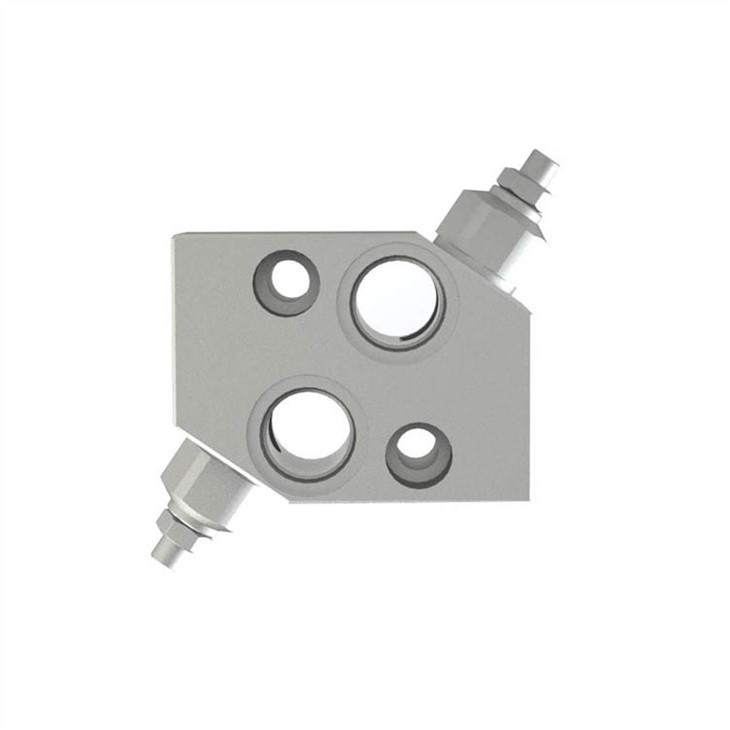

Another important component to consider is the Hydraulic Pressure Reducing Valve. This valve helps regulate the pressure in the hydraulic system, which is crucial for maintaining optimal performance. In extreme temperatures, the valve can play an even more important role in ensuring that the system operates smoothly.
Maintenance and Monitoring
Regular maintenance is key to keeping your aerial work platform in good condition, regardless of the temperature. You should follow the manufacturer's recommended maintenance schedule, which includes things like checking the hydraulic fluid levels, inspecting the hoses and connections, and testing the battery.
It's also a good idea to monitor the temperature of your aerial work platform during operation. Many modern machines come with temperature sensors that can alert you if the hydraulic fluid or other components are getting too hot or too cold. By keeping an eye on these temperatures, you can take action before any serious problems occur.
Conclusion
As you can see, temperature can have a significant impact on the performance of an aerial work platform. Whether it's cold or hot outside, there are steps you can take to minimize the effects and keep your equipment running safely and efficiently.
If you're in the market for a new aerial work platform or need help with maintenance and troubleshooting, don't hesitate to reach out. We're here to help you find the right solution for your needs and ensure that your equipment performs at its best, no matter the weather.
References
- Manufacturer's manuals for aerial work platforms
- Industry research on the effects of temperature on hydraulic systems
- Technical papers on battery performance in different temperatures


