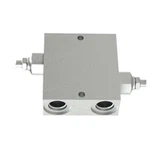
When it comes to selecting between a normally open (NO) or normally closed (NC) motor operated valve, several factors need to be carefully considered. As a trusted supplier of motor operated valves, I've encountered numerous customers grappling with this decision. In this blog, I'll delve into the key aspects that should guide your choice, ensuring you make an informed decision for your specific application.
Understanding Normally Open and Normally Closed Motor Operated Valves
Before we dive into the selection process, let's clarify the fundamental difference between normally open and normally closed motor operated valves. A normally open valve remains open in its default state, allowing fluid or gas to flow through it without any external intervention. On the other hand, a normally closed valve is shut in its resting position, preventing the passage of the medium until an external signal is applied to open it.
Factors Influencing the Choice
Safety Requirements
Safety is often the primary concern when choosing between a NO and NC valve. In applications where it's crucial to stop the flow of a hazardous substance in case of a power failure or system malfunction, a normally closed valve is the preferred option. For example, in chemical processing plants, a normally closed valve can prevent the leakage of toxic chemicals if the power supply to the valve actuator fails. On the contrary, in systems where continuous flow is necessary for safety reasons, such as in emergency ventilation systems, a normally open valve would be more appropriate.
Process Requirements
The nature of the process itself plays a significant role in determining the valve type. In processes that require continuous flow under normal operating conditions, a normally open valve can simplify the control system and reduce energy consumption. For instance, in a water supply system, a normally open valve can ensure a constant supply of water to a building. However, if the process involves intermittent flow or requires precise control over the start and stop of the flow, a normally closed valve might be a better fit.
Energy Efficiency
Energy efficiency is another important factor to consider. Normally open valves generally consume less energy because they don't require power to maintain the open position. This can result in significant cost savings over time, especially in applications where the valve is open for extended periods. In contrast, normally closed valves need to be powered to open and remain open, which can lead to higher energy consumption.
Maintenance and Reliability
Maintenance requirements and reliability also influence the choice of valve type. Normally open valves are often easier to maintain because they are less likely to accumulate debris or sediment in the closed position. Additionally, since they are in the open position most of the time, any potential blockages can be more easily detected and cleared. On the other hand, normally closed valves may be more reliable in applications where a tight seal is required to prevent leakage.
Applications of Normally Open and Normally Closed Valves
Normally Open Valves
- HVAC Systems: In heating, ventilation, and air conditioning systems, normally open valves are commonly used to regulate the flow of air or water. For example, in a chilled water system, a normally open valve can maintain a constant flow of chilled water to the cooling coils, ensuring efficient cooling.
- Water Treatment Plants: Normally open valves are used in water treatment plants to control the flow of water through various treatment processes. They can ensure a continuous supply of water to the treatment units, preventing disruptions in the treatment process.
Normally Closed Valves
- Fire Protection Systems: In fire protection systems, normally closed valves are essential to prevent the leakage of water or fire suppression agents until a fire is detected. When a fire alarm is triggered, the valve opens, allowing the extinguishing agent to flow to the affected area.
- Fuel Supply Systems: In fuel supply systems, normally closed valves are used to prevent the leakage of fuel in case of a system failure. They ensure that the fuel supply is cut off when the engine is not running or in the event of an emergency.
Real-World Examples
Let's take a look at some real-world examples to illustrate the importance of choosing the right valve type. Consider a hydraulic grapple for an excavator. The YHZ-2-7MSB1 2-Way Solenoid Valve Group Swivel Used For Hydraulic Grapple For Excavator is a critical component that controls the movement of the grapple. Depending on the specific requirements of the excavator's operation, either a normally open or normally closed valve can be used. If the grapple needs to be in a closed position when the system is not powered, a normally closed valve would be the appropriate choice. On the other hand, if the grapple needs to be open by default, a normally open valve would be more suitable.
Another example is the Hydraulic Swivel Joint Hydraulic Rotary Joint For Mini Excavator. This component allows for the rotation of the excavator's arm while maintaining the hydraulic connection. The choice of valve type for the hydraulic system associated with the swivel joint depends on factors such as the safety requirements and the normal operating mode of the excavator.
Conclusion
Choosing between a normally open and normally closed motor operated valve is a critical decision that can significantly impact the performance, safety, and efficiency of your system. By carefully considering factors such as safety requirements, process requirements, energy efficiency, and maintenance needs, you can make an informed choice that meets your specific needs.
As a leading supplier of motor operated valves, we have the expertise and experience to help you select the right valve for your application. Whether you need a valve for a hydraulic grapple, a mini excavator, or any other industrial application, we can provide you with high-quality products and professional advice. If you're interested in learning more about our motor operated valves or would like to discuss your specific requirements, please don't hesitate to contact us for a procurement discussion. We look forward to working with you to find the perfect valve solution for your needs.


References
- "Valve Selection Handbook" by James E. Ouellette
- "Hydraulic Systems and Components" by John F. Caruthers
- Industry standards and guidelines related to motor operated valves