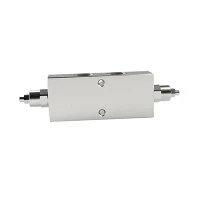
As a supplier of pressure check valves, I often encounter inquiries about the pressure drop across these essential components. Understanding pressure drop is crucial for anyone involved in fluid systems, as it directly impacts system efficiency, performance, and overall functionality. In this blog, I'll delve into what pressure drop across a pressure check valve is, why it matters, and how it can affect your operations.


Defining Pressure Drop
Pressure drop, in the context of a pressure check valve, refers to the difference in pressure between the inlet and the outlet of the valve when fluid is flowing through it. It is essentially the energy loss that occurs as the fluid passes through the valve. This loss is due to various factors, including the valve's design, the flow rate of the fluid, the viscosity of the fluid, and the size of the valve.
Mathematically, pressure drop (ΔP) is calculated as the inlet pressure (P1) minus the outlet pressure (P2):
ΔP = P1 - P2
Why Pressure Drop Matters
The pressure drop across a pressure check valve is not just a technical detail; it has significant implications for the overall performance of a fluid system. Here are some key reasons why it matters:
- System Efficiency: A high pressure drop means that more energy is being wasted as the fluid passes through the valve. This can lead to increased operating costs, as more power is required to maintain the desired flow rate. In energy - intensive applications, such as industrial manufacturing or large - scale hydraulic systems, minimizing pressure drop can result in substantial cost savings over time.
- Flow Rate: Pressure drop can also affect the flow rate of the fluid. According to Bernoulli's principle, an increase in pressure drop can cause a decrease in the flow rate. In systems where a specific flow rate is critical, such as in medical devices or chemical processing plants, excessive pressure drop can disrupt the normal operation of the system.
- Component Lifespan: High pressure drop can put additional stress on the valve and other components in the system. This can lead to premature wear and tear, increasing the likelihood of component failure and the need for costly repairs or replacements.
Factors Affecting Pressure Drop
Several factors can influence the pressure drop across a pressure check valve. Let's take a closer look at each of them:
- Valve Design: The internal design of the valve plays a significant role in determining the pressure drop. Valves with a more streamlined design, such as those with a straight - through flow path, generally have a lower pressure drop compared to valves with a more complex design. For example, some valves may have internal obstructions or sharp bends that can increase turbulence and cause a higher pressure drop.
- Flow Rate: As the flow rate of the fluid through the valve increases, the pressure drop also tends to increase. This is because higher flow rates result in greater fluid velocity and more energy loss due to friction and turbulence. In some cases, a valve may be designed to handle a specific flow rate range, and exceeding this range can lead to a significant increase in pressure drop.
- Fluid Viscosity: Viscosity is a measure of a fluid's resistance to flow. Fluids with higher viscosity, such as oils or syrups, require more energy to flow through a valve, resulting in a higher pressure drop. In contrast, fluids with lower viscosity, like water, typically have a lower pressure drop.
- Valve Size: The size of the valve can also affect the pressure drop. A valve that is too small for the flow rate requirements of the system will have a higher pressure drop, as the fluid has to pass through a more restricted opening. On the other hand, a valve that is too large may be more expensive and may not provide optimal performance.
Measuring Pressure Drop
Accurately measuring the pressure drop across a pressure check valve is essential for evaluating its performance and ensuring the proper operation of the fluid system. There are several methods for measuring pressure drop:
- Pressure Gauges: The simplest method is to install pressure gauges at the inlet and outlet of the valve. By taking readings from these two gauges simultaneously, you can calculate the pressure drop. However, this method requires careful calibration of the gauges to ensure accurate measurements.
- Differential Pressure Transducers: These devices are designed to directly measure the difference in pressure between two points. They provide a more accurate and reliable measurement of pressure drop compared to pressure gauges and are often used in industrial applications.
- Flowmeters with Pressure Drop Sensors: Some advanced flowmeters are equipped with sensors that can measure the pressure drop across a valve in addition to the flow rate. These integrated devices can provide a comprehensive view of the valve's performance.
Minimizing Pressure Drop
As a pressure check valve supplier, I understand the importance of minimizing pressure drop for our customers. Here are some strategies that can help reduce pressure drop:
- Select the Right Valve: Choosing a valve with a design that minimizes turbulence and friction is crucial. Look for valves with a smooth internal surface, a straight - through flow path, and a size that is appropriate for the flow rate requirements of the system. You can learn more about different types of valves, such as Hydraulic Counter Balance Overcenter Valve and Hydraulic Overcenter Valve, to find the one that best suits your needs.
- Maintain the Valve: Regular maintenance of the valve, including cleaning, lubrication, and inspection, can help ensure that it is operating at its optimal performance. This can prevent issues such as valve wear, blockages, or leakage, which can all contribute to increased pressure drop.
- Optimize the System Design: Reviewing and optimizing the overall design of the fluid system can also help reduce pressure drop. This may include minimizing the length of the piping, reducing the number of bends and fittings, and ensuring that the system is properly sized and balanced.
Real - World Applications
Pressure check valves are used in a wide range of industries and applications, and understanding pressure drop is essential in each of them. Here are some examples:
- Hydraulic Systems: In hydraulic systems, pressure check valves are used to control the flow of hydraulic fluid and prevent backflow. Excessive pressure drop in these valves can lead to reduced system efficiency, slower actuator response times, and increased energy consumption. For instance, Hydraulic Lift Operated Valve is commonly used in hydraulic lift systems, where minimizing pressure drop is crucial for smooth and efficient operation.
- Oil and Gas Industry: In the oil and gas industry, pressure check valves are used in various processes, such as wellhead control, pipeline transportation, and refining. Maintaining low pressure drop is essential to ensure the safe and efficient operation of these systems. High pressure drop can lead to increased pumping costs and potential safety hazards.
- Water Treatment Plants: Pressure check valves are used in water treatment plants to control the flow of water and prevent backflow. Minimizing pressure drop is important to ensure that the treatment process is efficient and that the treated water is delivered at the desired pressure.
Conclusion
In conclusion, the pressure drop across a pressure check valve is a critical factor that can significantly impact the performance and efficiency of a fluid system. As a pressure check valve supplier, I am committed to providing our customers with high - quality valves that minimize pressure drop and ensure reliable operation. Understanding the factors that affect pressure drop, measuring it accurately, and implementing strategies to minimize it can help you optimize your system's performance and reduce operating costs.
If you are in the market for pressure check valves or have any questions about pressure drop, I invite you to contact us for a free consultation. Our team of experts is ready to help you select the right valve for your application and provide you with the support you need to ensure its proper installation and operation.
References
- Fluid Mechanics Principles and Applications, by Cengel and Cimbala
- Hydraulic Control Systems, by Peter C. Wilcox
- Valve Handbook, by Robert K. Fesmire and Neil E. Sheppard