Hey there! As a supplier of aerial work platforms, I know how crucial it is to keep these machines in top - notch condition. One of the most important maintenance tasks is checking the hydraulic fluid level. In this blog, I'm gonna walk you through the step - by - step process of how to do it right.


First off, why is checking the hydraulic fluid level so important? Well, the hydraulic system is the heart of an aerial work platform. It's responsible for lifting, lowering, and moving the platform safely and smoothly. If the hydraulic fluid level is too low, there won't be enough pressure to operate the system properly. This can lead to all sorts of problems, like slow or unresponsive movement, and in worst - case scenarios, it could even cause the machine to fail mid - operation, which is a huge safety risk.
Okay, let's get started with the actual process. But before you even lay your hands on the machine, make sure you've got the right safety gear on. You'll want to wear safety glasses, gloves, and maybe even some steel - toed boots. Safety first, always!
Step 1: Prepare the Aerial Work Platform
Park the aerial work platform on a level surface. You don't want it tilted or uneven because that can give you an inaccurate reading of the fluid level. Turn off the engine and make sure all the controls are in the neutral position. This is to prevent any accidental movement while you're doing the check.
Step 2: Locate the Hydraulic Fluid Reservoir
The location of the hydraulic fluid reservoir can vary depending on the model of the aerial work platform. Usually, it's a big tank made of metal or plastic. You can check the machine's manual if you're having trouble finding it. The manual will have a diagram showing exactly where the reservoir is located.
Step 3: Clean the Reservoir Cap
Before you open the reservoir, take a clean cloth and wipe the top of the cap. This is to prevent any dirt or debris from falling into the reservoir when you open it. Dirt in the hydraulic fluid can damage the system, so it's worth taking a few extra seconds to clean things up.
Step 4: Check the Fluid Level Using the Dipstick or Sight Glass
- Dipstick Method: Some aerial work platforms have a dipstick attached to the reservoir cap. Pull the dipstick out, wipe it clean with a cloth, and then re - insert it fully. Pull it out again and check the fluid level. There are usually markings on the dipstick, like "min" and "max". The fluid level should be between these two marks. If it's below the "min" mark, you need to add more fluid.
- Sight Glass Method: Other machines use a sight glass, which is a clear tube or window on the side of the reservoir. You can simply look through the sight glass to see the fluid level. Just like with the dipstick, the fluid should be within the marked range.
Step 5: Add Hydraulic Fluid if Necessary
If the fluid level is low, you'll need to add hydraulic fluid. Make sure you're using the right type of fluid for your aerial work platform. You can find this information in the machine's manual. Slowly pour the fluid into the reservoir. You can use a funnel to prevent spills. Keep an eye on the dipstick or sight glass as you pour, and stop adding fluid when it reaches the appropriate level.
Step 6: Replace the Reservoir Cap
Once you're done adding fluid or just checking the level, put the reservoir cap back on and tighten it securely. This helps to keep the hydraulic system sealed and prevents leaks.
Step 7: Inspect for Leaks
After you've finished checking and possibly adding fluid, take a quick look around the hydraulic system for any signs of leaks. Look for wet spots, drips, or puddles of hydraulic fluid under the machine. If you find a leak, it's important to address it right away. Leaks can not only cause the fluid level to drop but also lead to other problems with the system.
Additional Considerations
- Regular Checks: Make it a habit to check the hydraulic fluid level regularly. How often you do this depends on how often you use the aerial work platform. If it's used daily, you might want to check it every week. For less frequently used machines, a monthly check should be sufficient.
- Fluid Quality: It's not just about the quantity of the hydraulic fluid. You also need to pay attention to its quality. Over time, the fluid can break down, become contaminated, or lose its effectiveness. If the fluid looks dirty or has a strange smell, it might be time to change it.
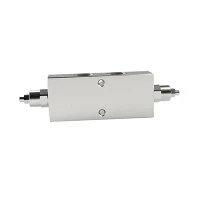
Now, when it comes to the components of the hydraulic system, there are a few important ones that work in tandem with the hydraulic fluid. For example, Buffer Valves help to control the flow of fluid and reduce shock in the system. They're like the shock absorbers for your hydraulic system. Safety Relief Valve is another crucial part. It's designed to protect the system from over - pressure. If the pressure in the system gets too high, the safety relief valve will open and release some of the fluid, preventing damage to the system. And then there's the Relief Valve, which also helps to regulate pressure in the system.
As a supplier of aerial work platforms, I understand that proper maintenance is key to getting the most out of your equipment. If you're in the market for a new aerial work platform or need replacement parts, we've got you covered. Our products are built to last and come with great after - sales support. Don't hesitate to reach out and start a conversation about your specific needs. We can work together to find the best solution for you.
References
- Manufacturer's manuals of various aerial work platforms
- Industry standards for hydraulic system maintenance in aerial work platforms