As a supplier of aerial work platforms, I've had my fair share of experiences with the common issues that these machines hit. Whether you're working on a construction site, a maintenance job, or just need to reach high places, aerial work platforms are an essential tool. But like any piece of equipment, they're not immune to problems. So, let's dig into some of the most frequent problems you might encounter and how to deal with 'em.
Hydraulic System Issues
One of the most common sore spots with aerial work platforms is the hydraulic system. The hydraulic system is the heart that powers the platform's movement, lifting, and lowering. If there's a glitch here, it can bring your work to a grinding halt.
Leaks
Hydraulic leaks are a real headache. They can occur anywhere in the system, from hoses and fittings to cylinders and valves. You can spot 'em by looking for puddles of hydraulic fluid under the machine or wet spots on the hoses. Leaks can happen due to wear and tear, loose connections, or damaged seals.
A leak not only makes a mess but also reduces the hydraulic pressure, which can affect the platform's performance. If the leak is small, it might just cause a slow movement or a bit of jerkiness. But if it's a big one, the platform might not be able to lift or lower at all.
Pressure Problems
Another issue in the hydraulic system is pressure problems. Sometimes, the hydraulic pressure might be too low, which can lead to weak lifting power or slow movement. On the flip side, too much pressure can damage the system components.
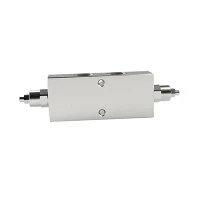
The pressure in the hydraulic system is regulated by valves. For instance, the Hydraulic Pressure Reducing Valve is crucial for maintaining the right pressure. If this valve malfunctions, the pressure can go haywire.
Electrical System Glitches
The electrical system in aerial work platforms is responsible for controlling various functions, like the controls for the platform's movement, lights, and safety features. Electrical problems can be tricky to diagnose because they're not always visible.
Faulty Wiring
Faulty wiring is a common culprit. Over time, the wires can get worn out, frayed, or damaged by vibrations, moisture, or physical impact. This can lead to short circuits, intermittent power loss, or malfunctioning controls.
If you notice that the platform's controls are acting up, like the buttons not working properly or the platform moving erratically, it could be due to a wiring issue. You might also see signs of burning or melting around the wiring connections, which is a clear red flag.
Battery Troubles
A dead or weak battery can also cause problems. Batteries in aerial work platforms are used to power the electrical system and the hydraulic pump (in some models). If the battery isn't in good shape, the platform might not start or might not have enough power to operate properly.
Regularly checking the battery's charge level, terminals, and overall condition is essential. If the battery is old or damaged, it's time for a replacement.
Structural Problems
The structure of the aerial work platform needs to be sturdy and reliable to ensure the safety of the operators. Any structural issues can pose a serious risk.
Cracks and Damage
Over time, the platform's frame, boom, or other structural components can develop cracks or get damaged. This can be due to heavy use, improper handling, or exposure to harsh environmental conditions.
Even a small crack can weaken the structure and make the platform unsafe to use. Visual inspections are crucial to spot any signs of cracks or damage. If you find any, it's important to get the component repaired or replaced immediately.
Wear and Tear
Structural parts can also experience wear and tear, especially in high - stress areas. For example, the pivots and joints on the boom can wear out over time, causing play or looseness. This can affect the platform's stability and precision of movement.
Regular maintenance, including lubrication and inspection of the moving parts, can help reduce the effects of wear and tear.
Safety System Failures
Safety is a top priority when it comes to aerial work platforms. The safety systems are designed to protect the operators from accidents. However, these systems can also experience problems.
Limit Switches
Limit switches are used to prevent the platform from moving beyond its safe operating range. If a limit switch malfunctions, the platform might continue to move into a dangerous position.
For example, if the upward limit switch fails, the platform could keep rising until it hits an obstacle or collapses. Regular testing of the limit switches is necessary to ensure they're working correctly.
Emergency Stop Buttons
Emergency stop buttons are there for a reason - to quickly stop the platform in case of an emergency. If these buttons don't work, it can be a major safety hazard.
You should test the emergency stop buttons regularly to make sure they can cut off the power to the platform immediately.
Valve - Related Problems
Valves play a crucial role in the operation of aerial work platforms, especially in the hydraulic system. There are different types of valves, and each can have its own set of issues.
Buffer Valve Flow Control Valve
The buffer valve flow control valve is used to control the flow of hydraulic fluid and provide a smooth movement of the platform. If this valve gets clogged or damaged, it can cause uneven movement or jerks during operation.
Relief Valve Pressure Control Valve
The relief valve pressure control valve is designed to protect the hydraulic system from over - pressure. If it fails to open at the right pressure or doesn't close properly, it can lead to pressure build - up and potential damage to the system.
Dealing with These Problems
So, what can you do when you face these common problems? First of all, regular maintenance is key. A well - maintained aerial work platform is less likely to experience issues. This includes checking the hydraulic fluid level, inspecting the electrical system, lubricating the moving parts, and visually examining the structure.


If you do encounter a problem, it's important to address it as soon as possible. Don't try to operate the platform if you know there's an issue - it's just not worth the risk. Contact a professional technician who is trained to work on aerial work platforms. They have the knowledge and tools to diagnose and fix the problem correctly.
As a supplier, I'm here to help. We offer high - quality replacement parts for all the components I've mentioned above, including the valves, hoses, batteries, and structural parts. If you're facing any problems with your aerial work platform or are in the market for a new one, don't hesitate to reach out. We can also provide advice on maintenance and troubleshooting. Whether you're a small - scale contractor or a large construction company, we've got the solutions you need. Let's start a conversation about how we can meet your aerial work platform needs.
References
- Industry standards for aerial work platforms
- Manufacturer's manuals for aerial work platforms
- Technical bulletins on hydraulic and electrical systems in machinery